
How Interior Design Affects Mental Health Mintpaldecor
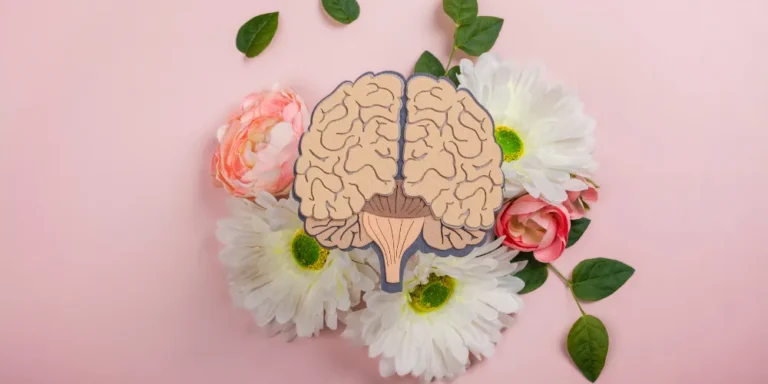
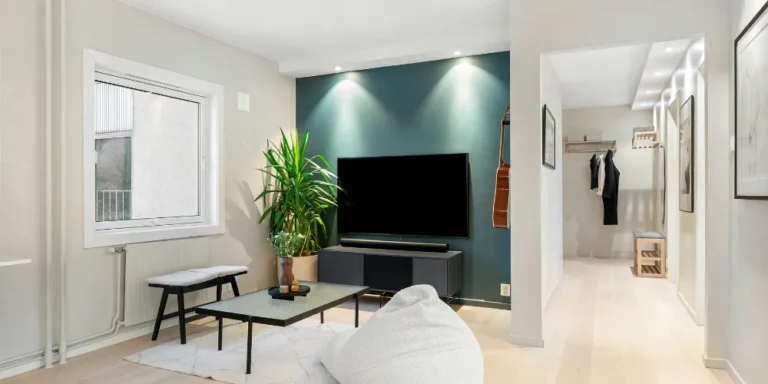
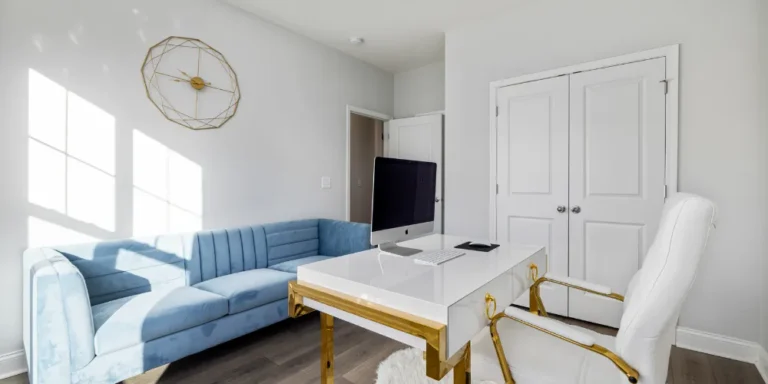
Interior design is not just about aesthetics; it significantly impacts mental health and well-being. The spaces where we live, work, and relax influence our mood, stress levels, and overall mental state. Thoughtful design can enhance comfort, productivity, and emotional stability. Poorly designed spaces, on the other hand, may increase anxiety, fatigue, or irritability. Elements such as color, lighting, furniture arrangement, and textures all contribute to mental health. Natural light, for instance, has been linked to improved mood and circadian rhythms. Cluttered spaces can create stress and distract from focus and relaxation.
Interior design can also foster social connections and a sense of belonging. Personalization of space improves feelings of control and self-expression. Ergonomic furniture can prevent physical discomfort, indirectly benefiting mental wellness. Incorporating natural elements, such as plants, can reduce anxiety and enhance creativity. Noise management through design reduces stress and improves concentration. Open and airy layouts can provide a sense of freedom, while cozy spaces enhance comfort. Colors have psychological effects:
blues can calm, while yellows can energize. Lighting, both natural and artificial, affects sleep patterns and mood. The choice of materials and textures impacts sensory experiences. Storage solutions reduce clutter and enhance mental clarity. Spaces designed for relaxation or meditation support emotional recovery. Thoughtful interior design can boost productivity, happiness, and overall life satisfaction.
How Interior Design Affects Mental Health | Mintpaldecor
Interior design shapes the mental and emotional experience of any space. Below are ten subtopics explaining how design elements influence mental health:
1. Color Psychology
Colors have a profound impact on mood and emotions. Warm colors like red and orange can energize but may also increase stress if overused. Cool colors like blue and green promote calmness and relaxation. Pastel shades can create a soothing environment, ideal for bedrooms or meditation spaces. Bright, vibrant colors can stimulate creativity but may be overwhelming in large doses. Neutral colors like beige or gray offer a sense of balance and stability. Color contrast and combinations can affect focus and emotional responses. Walls, furniture, and décor elements should be chosen considering desired mental effects. Color influences perception of space and light, affecting comfort levels.
Using color in zones can guide emotions, such as calm tones in workspaces and warm tones in social areas. Accent colors can provide visual interest without overwhelming the senses. Personal preferences also play a role in emotional response to color. Cultural associations influence color perception and mental effects. Lighting can enhance or change the effect of colors in a room. Colors can create a sense of energy, peace, or stimulation. Psychological studies support color’s role in stress reduction and emotional balance. Strategic use of color can improve focus, creativity, and relaxation. Color schemes affect appetite and social interaction in dining areas. Mental clarity can be enhanced by calming color choices. Combining colors thoughtfully improves emotional and cognitive function.
2. Lighting and Mental Health
Natural and artificial lighting has a direct effect on mood and productivity. Exposure to daylight helps regulate circadian rhythms and improves sleep quality. Poor lighting can lead to eye strain, fatigue, and irritability. Bright, cool lighting can enhance alertness and focus, ideal for workspaces. Warm lighting promotes relaxation and comfort in living or bedroom areas. Adjustable lighting allows control depending on tasks or mood. Incorporating skylights or large windows increases natural light intake. Use of dimmers and lamps provides flexibility and emotional comfort. Balanced lighting reduces stress and enhances overall mental well-being. Artificial lighting should mimic natural light cycles for health benefits. Task lighting prevents strain during detailed work or reading.
Lighting impacts color perception and room ambiance, affecting emotional responses. Overexposure to harsh lighting may cause headaches or anxiety. LED lighting is energy-efficient and can be adjusted for color temperature. Proper lighting enhances productivity, creativity, and social interaction. Lighting design can influence appetite and social mood in dining areas. Nighttime lighting affects melatonin production and sleep quality. Layered lighting combines ambient, task, and accent lights for mental comfort. Light placement affects spatial perception and reduces feelings of confinement. Incorporating reflective surfaces amplifies natural light and positivity. Thoughtful lighting promotes a sense of safety and reduces stress levels.
3. Space and Layout
The arrangement of furniture and spatial design affects comfort and mental clarity. Open layouts create a sense of freedom and reduce feelings of confinement. Overcrowded or cluttered spaces can increase stress and anxiety. Defined zones for work, relaxation, and socializing improve focus and well-being. Circulation paths should allow easy movement and reduce obstacles. Balanced proportions and symmetry can promote calmness and visual harmony. Flexible furniture arrangements support adaptability and reduce frustration. Creating focal points enhances aesthetics and mental engagement. Strategic placement of workspaces improves concentration and reduces distractions. Personal space and privacy areas help reduce stress in shared environments.
Layout affects social interactions and collaboration in homes or offices. Avoiding clutter in pathways promotes mental clarity and reduces tension. Spaciousness promotes relaxation and reduces sensory overload. Interior walls and partitions can guide attention and reduce mental fatigue. Ergonomic considerations prevent discomfort and support positive mental health. Spaces for creative expression enhance cognitive flexibility. Visual balance in layout promotes emotional stability. Layout affects lighting and airflow, indirectly influencing mental state. Open vs. closed spaces should match activity needs to optimize mental comfort. Efficient layout supports accessibility and inclusivity, reducing frustration. Mindful space planning enhances overall life satisfaction.
4. Incorporating Nature
Natural elements like plants, water features, and natural materials improve mental health. Exposure to greenery reduces stress, anxiety, and depression symptoms. Indoor plants improve air quality and create a calming environment. Water elements, like fountains, provide soothing sounds that promote relaxation. Natural materials such as wood, stone, and bamboo connect people with nature. Biophilic design enhances creativity and productivity. Natural textures stimulate sensory experiences, improving mood. Plants and natural décor improve concentration and memory.
Views of nature from windows reduce stress and improve emotional regulation. Indoor gardens or green walls add beauty and mental benefits. Natural elements encourage mindfulness and presence in the space. Interaction with nature reduces feelings of isolation in urban settings. Seasonal changes in nature enhance awareness and emotional adaptation. Natural light combined with greenery boosts overall well-being. Spaces mimicking outdoor environments improve cognitive function. Regular exposure to natural elements supports long-term mental health. Nature-inspired design reduces cortisol levels and promotes relaxation. Visual and tactile connections to nature enhance mood. Organic patterns in décor positively affect mental clarity. Incorporating nature is a cost-effective way to improve emotional wellness.
5. Furniture and Ergonomics
Ergonomically designed furniture affects both physical and mental health. Comfortable seating reduces stress and physical discomfort. Adjustable chairs and desks support correct posture and prevent fatigue. Furniture arrangement influences social interactions and comfort levels. Soft furnishings can create a cozy and inviting atmosphere. Functional storage reduces clutter, promoting mental clarity. Multi-purpose furniture increases flexibility and reduces frustration in small spaces. Quality materials contribute to sensory satisfaction and comfort. Seating arrangement affects personal space and stress levels. Workstations should promote focus and minimize distractions.
Beds, chairs, and couches influence relaxation and sleep quality. Ergonomic design enhances productivity and reduces tension. Proper height and support prevent discomfort-induced irritability. Relaxing furniture promotes mindfulness and rest. Color and material of furniture can enhance mental comfort. Furniture layout influences circulation and spatial awareness. Stability and safety of furniture reduce anxiety. Well-chosen furniture balances aesthetics and functionality. Mental fatigue is minimized through comfortable work and leisure spaces. Ergonomics are crucial in home offices to prevent stress. Furniture choices should align with intended room activities.
6. Clutter and Organization
Cluttered spaces negatively impact mental health, increasing stress and reducing focus. Organized storage solutions improve mental clarity and efficiency. Minimalist design reduces visual distractions and promotes calmness. Shelving, cabinets, and labeled storage aid in tidiness. Decluttering regular routines support emotional well-being. Clear surfaces reduce anxiety and promote relaxation. Organization supports productivity and reduces time spent searching for items. Decorative storage solutions combine aesthetics and functionality. Reducing excess possessions fosters a sense of control.
Efficient organization enhances creativity and focus. Clutter-free environments improve sleep quality and relaxation. Proper placement of personal items prevents frustration. Visual order promotes emotional stability. Regular maintenance prevents accumulation of stress-inducing clutter. Organizing workspaces enhances concentration and reduces mistakes. Minimalism encourages mindfulness and intentional living. Organizing shared spaces reduces conflicts and stress. Digital organization complements physical space for mental clarity. Consistent routines support long-term stress reduction. Tidiness enhances satisfaction with the living environment. Organized interiors promote positive mental and emotional health.
7. Texture and Materials
Textures influence sensory experiences and emotional responses. Soft fabrics create comfort and warmth, promoting relaxation. Smooth surfaces can create a sense of cleanliness and order. Natural textures like wood, stone, or woven fibers provide tactile engagement. Textural contrast adds interest without overwhelming the senses. Textures in furnishings, rugs, and décor affect mood and touch perception. Rough textures may stimulate alertness and energy in work areas. Soft textures reduce tension and anxiety in rest areas.
Mixed materials create balance and visual appeal. Sensory-friendly textures reduce stress in sensitive individuals. Textural variation can define zones and purposes within a space. Fabric quality impacts comfort and mental satisfaction. Tactile engagement supports mindfulness practices. Textures contribute to acoustic comfort, affecting stress levels. Materials influence perceived temperature and comfort. Natural fibers promote warmth and eco-consciousness. Texture selection can reinforce desired emotional states. Interior textures contribute to identity and personalization of space. Materials and finishes should consider both aesthetics and mental well-being. Thoughtful use of texture enhances sensory and emotional experiences.
8. Noise Control
Noise levels affect focus, stress, and relaxation. Excessive noise increases cortisol and impairs concentration. Soundproofing, carpets, and curtains reduce disruptive sounds. White noise machines or water features can mask unwanted noise. Layout can minimize noise in work and relaxation areas. Proper acoustics improve sleep quality in bedrooms. Noise control reduces anxiety and irritability in shared spaces. Soft materials absorb sound and promote calmness. Acoustic panels are effective in offices or busy homes. Background music or ambient sounds can enhance mood.
Noise barriers between rooms improve privacy and mental comfort. Quiet spaces support mindfulness and meditation practices. Reducing noise pollution enhances productivity and focus. Noise management reduces sensory overload in sensitive individuals. Spatial design affects sound propagation and perception. Controlling mechanical noises from appliances improves satisfaction. Outdoor noise mitigation enhances indoor tranquility. Consistent noise levels prevent mental fatigue. Community living benefits from acoustic consideration in shared spaces. Thoughtful noise management contributes to emotional regulation. Interior design should incorporate strategies for both comfort and mental wellness.
9. Personalization and Identity
Personalized spaces enhance mental well-being and sense of identity. Personal items, artwork, and décor reflect individuality. Spaces that reflect personal tastes foster comfort and happiness. Family photos or meaningful objects promote positive emotions. Customizing furniture and layout supports autonomy and control. Personalization increases attachment to the environment. Expression through design reduces stress and enhances mood. Familiar items provide reassurance and reduce anxiety.
Personalization encourages creativity and inspiration. Cultural or spiritual symbols enhance emotional connection. Decorating according to lifestyle supports daily routines and mental comfort. A sense of ownership improves responsibility for maintaining space. Custom colors, textures, and lighting reflect preferences and identity. Personalization balances functionality with emotional needs. Identity expression promotes confidence and satisfaction. Spaces tailored to hobbies or interests enhance engagement. Personalized design reduces alienation in shared environments. Customization supports social and emotional well-being. Interiors that reflect personal identity boost long-term happiness. Thoughtful personalization complements aesthetic and functional design.
10. Mindful Design and Flow
Mindful design considers how space affects daily behaviors and mental state. Intentional flow between zones supports natural movement and reduces stress. Mindful layout considers lighting, noise, and furniture placement to optimize well-being. Spaces designed for relaxation or creativity enhance focus and emotional balance. Mindful design integrates elements such as color, texture, and natural light cohesively. Intentional organization and storage reduce cognitive load. Flow promotes efficient transitions between work, social, and rest areas.
Mindful design encourages engagement with surroundings, reducing distractions. Emotional impact of spaces is evaluated during planning. Sensory comfort is prioritized to support calmness and alertness. Mindful design fosters healthy routines, like exercise or meditation. Balance between private and social spaces supports mental health. Spaces are crafted to enhance energy, productivity, and relaxation. Flow ensures natural ventilation and lighting benefits are maximized. Mindful design aligns space use with intended emotional and functional outcomes. Accessibility and inclusivity are considered for mental comfort. Mindful interiors support long-term psychological health. Integration of design elements creates harmonious environments. Flow contributes to reduced stress and improved daily experience. Mindful design ensures a holistic approach to mental and emotional wellness.
Conclusion
Interior design profoundly affects mental health by influencing mood, focus, relaxation, and overall well-being. Color, lighting, and spatial layout shape emotional responses and cognitive function. Natural elements, ergonomic furniture, and noise control reduce stress and enhance comfort. Clutter-free and organized spaces promote mental clarity and reduce anxiety. Textures, materials, and personal décor stimulate the senses and reinforce identity, contributing to emotional balance. Mindful design ensures that spaces are functional, aesthetically pleasing, and supportive of mental wellness. Thoughtful integration of these elements encourages productivity, relaxation, and social interaction.
Personalized spaces allow for self-expression, fostering happiness and attachment. Proper lighting and ventilation support sleep and circadian rhythms. Incorporating nature and biophilic design reduces anxiety and enhances creativity. Ergonomic furniture prevents discomfort and indirectly supports mental health. Acoustic control minimizes stress from environmental noise. Mindful layout and flow reduce daily friction and promote well-being. Employees and family members benefit from spaces that support focus and relaxation. Organized and clutter-free environments strengthen cognitive performance. Interior design choices impact long-term emotional and psychological health. Engaging with surroundings thoughtfully enhances mindfulness. Attention to aesthetics and function creates harmony and stability. Spaces that reflect personality improve satisfaction and mental balance. Interior design is a powerful tool to improve quality of life, mental clarity, and emotional wellness.