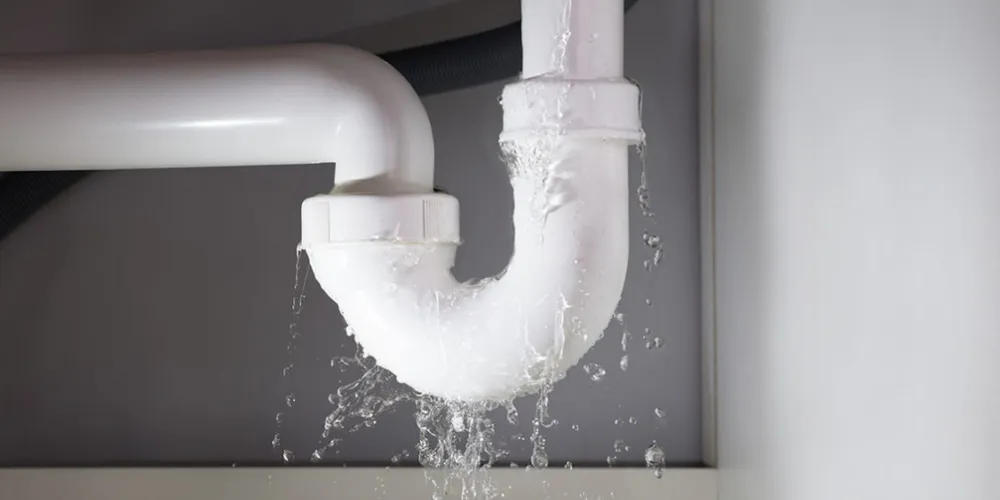
How Much Is Plumbing For A House ?
If you’re planning to build or renovate a home, one of the most common questions is: “How much is plumbing for a house?” Plumbing is essential for providing clean water, removing wastewater, and supporting appliances like sinks, showers, and water heaters. Costs can vary widely depending on the size of your home, the materials you choose, labor charges, and the complexity of the system.
In this guide, we’ll break down plumbing costs, explain the factors that influence pricing, and provide practical tips for keeping your budget under control.
Understanding Home Plumbing
Home plumbing is more than just pipes. It consists of a system that ensures:
- Water supply – Pipes, valves, and fittings deliver clean water throughout the house.
- Drainage – Wastewater from sinks, showers, and toilets is safely transported away.
- Fixtures and appliances – Toilets, sinks, showers, bathtubs, dishwashers, and washing machines.
- Water heating – Ensures hot water for bathrooms, kitchens, and appliances.
There are two main plumbing systems in homes:
- Water supply system – Pressurized pipes bring fresh water into the home.
- Drainage and vent system – Wastewater leaves the home, and vents prevent sewer gases from entering living spaces.
Factors That Affect Plumbing Costs
Several factors influence how much plumbing will cost for a house:
1. Size of the House
Larger homes need more pipes, valves, and fixtures. A small 1,200 sq. ft. house will cost less than a 3,000 sq. ft. home.
2. Number of Fixtures
More toilets, sinks, showers, and appliances increase the amount of piping and labor required.
3. Type of Materials
- PEX piping: Flexible, durable, and affordable, ideal for residential plumbing.
- Copper piping: Long-lasting but expensive and harder to install.
- PVC/CPVC: Often used for drainage; cost-effective and lightweight.
4. Water Heating System
The cost depends on whether you use a traditional tank water heater, a tankless water heater, or solar-assisted systems.
5. Sewer and Drainage Connection
- Municipal sewer connection: Requires proper drainage lines and permits.
- Septic system: Includes tanks, leach fields, and inspections, usually higher upfront cost.
6. Labor Costs
Plumbers’ rates vary by region and project complexity. Labor typically accounts for 40–60% of total plumbing costs.
Average Plumbing Costs for a House
While costs vary widely, here is a practical breakdown of typical plumbing expenses:
| Plumbing Component | Average Cost (USD) |
|---|---|
| PEX piping (supply lines) | $1,000–$2,500 |
| Copper piping | $2,500–$5,000 |
| Drain, waste, and vent (PVC/CPVC) | $1,500–$3,000 |
| Fixtures (toilet, sinks, showers, faucets) | $1,500–$5,000 |
| Water heater (tank or tankless) | $500–$2,000 |
| Labor & installation | $3,000–$10,000 |
| Sewer or septic system | $1,000–$5,000 |
Estimated total plumbing cost: $8,000–$30,000
Note: Costs can be lower for smaller homes or higher-end homes with luxury fixtures.
Ways to Reduce Plumbing Costs
- Plan Your Layout Carefully
Place bathrooms, kitchen, and laundry close together to minimize piping length. This reduces both material and labor costs. - Choose Cost-Effective Materials
PEX is typically cheaper than copper while providing durability suitable for most residential homes. - Install Multi-Functional Fixtures
Combining sinks or using compact designs can reduce the number of pipes needed. - DIY Small Tasks
Tasks like installing faucets or connecting appliances can save labor costs, but main plumbing work should be done by licensed professionals. - Compare Quotes
Get multiple estimates for both materials and labor to ensure competitive pricing.
Hidden Costs to Consider
Even with careful planning, some plumbing costs may be overlooked:
- Permits and inspection fees
- Pipe insulation for cold climates
- Water filtration or softening systems
- Repairs or adjustments during construction
- Additional fittings for complex layouts
Plumbing Maintenance Costs
Maintaining your plumbing system helps prevent expensive repairs:
- Inspect and fix leaks or clogs regularly
- Flush water heaters to prevent sediment buildup
- Replace worn-out faucets, valves, and washers
- Winterize pipes in cold climates
Proper maintenance extends the life of your plumbing and saves money over time.
Final Thoughts
So, how much is plumbing for a house? On average, homeowners can expect to pay between $8,000 and $30,000, depending on home size, materials, labor, and system complexity. By planning carefully, choosing the right materials, and hiring experienced professionals, you can manage plumbing costs effectively while ensuring a safe and efficient water system.