How Much To Plumb A New House ?
If you’re building a new home, one of the most important questions you’ll face is: “How much to plumb a new house?” Plumbing is essential for supplying clean water, managing wastewater, and supporting all your fixtures and appliances. Costs can vary widely depending on your home’s size, the materials you choose, labor, and whether your plumbing system is simple or complex.
This guide explains the factors affecting plumbing costs, typical price ranges, and practical tips for keeping your budget under control.
Understanding Plumbing in a New House
Plumbing is more than pipes. It’s a system designed to:
- Deliver clean water to faucets, showers, toilets, and appliances
- Remove wastewater safely from the home
- Provide proper water pressure and temperature
- Support appliances and fixtures like dishwashers, washing machines, and water heaters
In a new house, plumbing typically consists of:
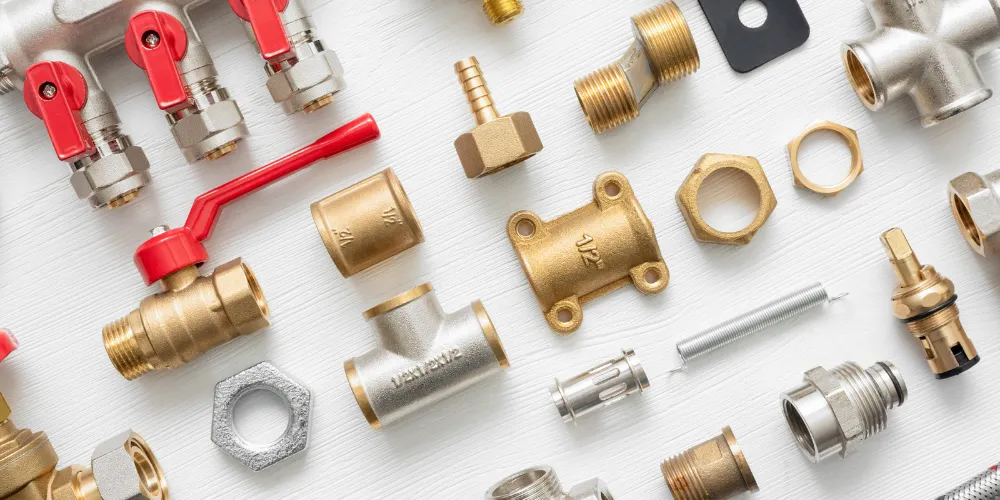
- Water supply system – Pipes, fittings, and valves that bring fresh water throughout the home.
- Drainage and vent system – Pipes and vents that carry away wastewater and prevent sewer gases from entering the house.
- Fixtures and appliances – Toilets, sinks, showers, bathtubs, faucets, water heaters, and dishwashers.
Factors Affecting Plumbing Costs
Several factors influence how much it costs to plumb a new house:
1. House Size
Larger homes require more piping, fixtures, and labor. A 1,200 sq. ft. home costs less to plumb than a 3,000 sq. ft. home.
2. Number of Bathrooms and Fixtures
Each additional toilet, sink, shower, or appliance increases both material and labor costs.
3. Type of Plumbing Materials
- PEX (cross-linked polyethylene): Affordable, flexible, and easy to install. Ideal for most residential plumbing.
- Copper pipes: Durable and long-lasting but expensive and harder to install.
- PVC/CPVC pipes: Used for drains, waste, and vent systems; cost-effective and lightweight.
4. Water Heating System
- Tank water heaters: Affordable and easy to install.
- Tankless water heaters: More energy-efficient but higher upfront cost.
- Solar or hybrid systems: Expensive initially but can reduce energy costs over time.
5. Sewer or Septic Connection
- Municipal sewer hookup: Requires proper connection and permits.
- Septic system: Includes tank installation, leach fields, and maintenance costs.
6. Labor Costs
Labor often accounts for 40–60% of plumbing expenses. Rates vary by region, complexity, and experience of the plumber.
Average Cost To Plumb A New House
While costs vary by location, home size, and materials, here’s a realistic breakdown:
| Component | Average Cost (USD) |
|---|---|
| PEX piping (water supply) | $1,500–$3,000 |
| Copper piping (water supply) | $3,000–$6,000 |
| Drain, waste, and vent (PVC/CPVC) | $2,000–$4,000 |
| Fixtures (toilets, sinks, faucets, showers) | $2,000–$6,000 |
| Water heater (tank or tankless) | $500–$2,500 |
| Labor & installation | $4,000–$12,000 |
| Sewer or septic system | $1,500–$5,000 |
Estimated total cost: $10,000–$35,000
Note: Smaller homes, simpler layouts, or budget-friendly materials can reduce costs, while luxury fixtures or complex designs can increase them.
Cost-Saving Tips When Plumbing a New House
- Plan Efficient Layouts
Group bathrooms, kitchens, and laundry rooms together to minimize pipe lengths and reduce labor costs. - Choose Cost-Effective Materials
PEX piping is often cheaper and easier to install than copper while remaining durable. - Use Multi-Functional Fixtures
Some sinks and shower systems combine functions, reducing the number of pipes needed. - Hire Skilled Professionals
Experienced plumbers work efficiently and reduce mistakes that could become costly repairs later. - Get Multiple Quotes
Comparing prices for materials and labor ensures you get the best value without compromising quality.
Hidden Costs To Keep in Mind
Even with careful planning, some plumbing costs can surprise homeowners:
- Permit and inspection fees
- Pipe insulation for cold climates
- Water filtration or softening systems
- Unexpected adjustments during construction
- Additional fittings for complex layouts
Being aware of these potential costs helps prevent budget overruns.
Maintenance Considerations
Proper maintenance ensures long-term plumbing performance and avoids expensive repairs:
- Inspect for leaks and clogs regularly
- Flush water heaters to prevent sediment buildup
- Replace worn-out faucets, washers, and valves
- Winterize pipes in colder climates to prevent freezing
Regular maintenance reduces the risk of major plumbing problems and extends the system’s lifespan.
Final Thoughts
So, how much to plumb a new house? On average, expect to spend $10,000–$35,000, depending on the size of your home, choice of materials, number of fixtures, and labor. Careful planning, efficient layouts, and quality materials can help control costs while ensuring a safe, reliable, and long-lasting plumbing system.
Investing in good plumbing is not just about water—it’s about comfort, safety, and long-term value for your new home.