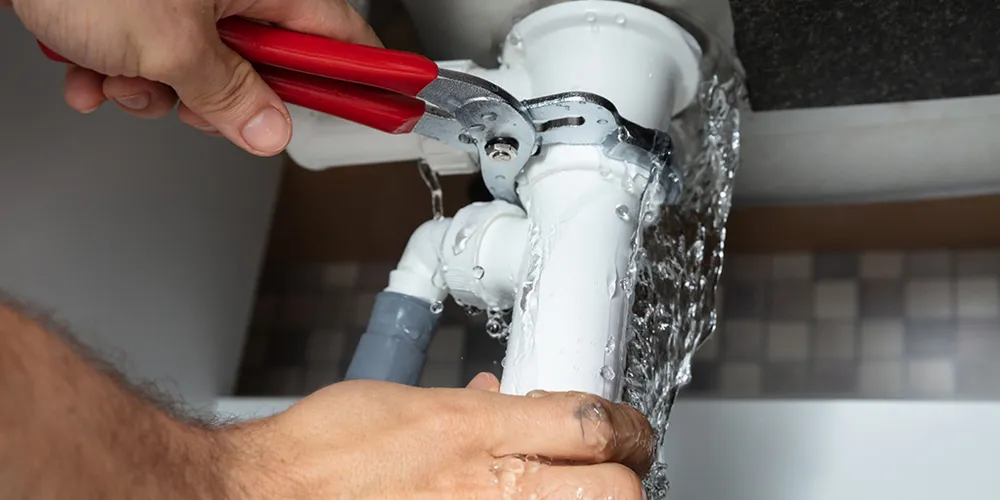
How Much To Replace Plumbing In A House ?
Replacing the plumbing in a house is a major home improvement project. Many homeowners ask: “How much to replace plumbing in a house?” The answer varies depending on the age of the home, the materials used, the number of fixtures, and labor costs. Proper planning and understanding the key factors can help you avoid costly mistakes and ensure your home’s water system is safe and efficient.
This guide provides a complete breakdown of plumbing replacement costs, factors that affect pricing, and practical tips to manage expenses effectively.
Why Replace Plumbing in a House?
Plumbing replacement may be necessary for several reasons:
- Old or corroded pipes – Copper and galvanized pipes can corrode over time, leading to leaks and low water pressure.
- Frequent leaks or water damage – Persistent leaks may require a full replacement rather than patch repairs.
- Upgrading materials – Replacing old piping with modern materials like PEX improves durability and efficiency.
- Renovations or remodeling – Kitchen, bathroom, or full-house remodels may require updated plumbing systems.
- Health and safety – Old pipes can cause water contamination or poor water quality.
Factors Affecting Plumbing Replacement Costs
Several key factors determine how much it costs to replace plumbing in a house:
1. Size of the House
The total square footage of your home affects the amount of piping and labor needed. Larger homes require more pipes, fittings, and longer installation times.
2. Type of Plumbing Material
- PEX (cross-linked polyethylene): Flexible, durable, and cost-effective for water supply lines.
- Copper pipes: Long-lasting but more expensive and labor-intensive.
- PVC/CPVC pipes: Used for drainage, waste, and vent systems; affordable and lightweight.
3. Number of Fixtures
More bathrooms, sinks, showers, and appliances increase the total cost because each fixture needs new connections and piping.
4. Accessibility
Replacing plumbing in an older home with limited access behind walls, under floors, or in crawl spaces can increase labor costs.
5. Labor Costs
Plumbing replacement requires a licensed plumber. Labor rates vary depending on region, complexity, and experience. Labor often accounts for 40–60% of total costs.
6. Additional Upgrades
Replacing water heaters, adding water filtration systems, or upgrading fixtures will increase overall costs.
Average Cost to Replace Plumbing in a House
Plumbing replacement costs vary widely based on size, materials, and scope of work. Here’s a realistic breakdown:
| Component | Average Cost (USD) |
|---|---|
| PEX piping (water supply) | $3,000–$7,000 |
| Copper piping (water supply) | $5,000–$15,000 |
| Drain, waste, and vent (PVC/CPVC) | $2,500–$6,000 |
| Fixtures (toilets, sinks, faucets, showers) | $2,000–$7,000 |
| Water heater replacement | $500–$2,500 |
| Labor & installation | $4,000–$12,000 |
Estimated total cost: $10,000–$35,000 for a standard 2,000 sq. ft. house.
Note: Costs are higher for larger homes or luxury upgrades and lower for smaller homes or partial replacements.
Cost-Saving Tips for Replacing Plumbing
- Plan Ahead
Identify which areas need full replacement versus partial repairs to avoid unnecessary costs. - Choose Cost-Effective Materials
PEX piping is flexible, easy to install, and generally less expensive than copper. - Combine Projects
If you’re remodeling kitchens or bathrooms, coordinate plumbing replacement with renovations to save labor costs. - Hire Experienced Plumbers
Skilled professionals work efficiently and reduce the risk of future leaks or damages. - Compare Multiple Quotes
Obtain estimates from several contractors to ensure competitive pricing.
Signs That You May Need Plumbing Replacement
Knowing when to replace plumbing can save you from emergency repairs and water damage:
- Frequent leaks or burst pipes
- Low water pressure throughout the house
- Rusty or discolored water
- Strange noises from pipes, like banging or squealing
- Old galvanized or corroded pipes
Hidden Costs to Watch For
Replacing plumbing can include unexpected expenses:
- Wall, floor, or ceiling repairs after pipe removal
- Permits and inspections required by local building codes
- Pipe insulation, especially in cold climates
- Water filtration systems or pressure regulators
Being aware of these potential costs prevents budget surprises.
Plumbing Maintenance After Replacement
Proper maintenance ensures your new plumbing system lasts for decades:
- Check pipes and connections for leaks regularly
- Flush water heaters annually to remove sediment
- Inspect faucets, valves, and washers for wear
- Winterize pipes in colder climates to prevent freezing
Routine maintenance reduces long-term repair costs and keeps your plumbing system efficient.
Final Thoughts
So, how much to replace plumbing in a house? On average, homeowners can expect to spend $10,000–$35,000, depending on the size of the home, type of materials, number of fixtures, and labor costs. By planning carefully, choosing durable materials like PEX or copper, and hiring experienced professionals, you can replace your plumbing system efficiently and ensure reliable performance for years to come.
Replacing old plumbing is not just an expense—it’s an investment in the safety, comfort, and long-term value of your home.