What are the differences between open and hidden kitchen shelving
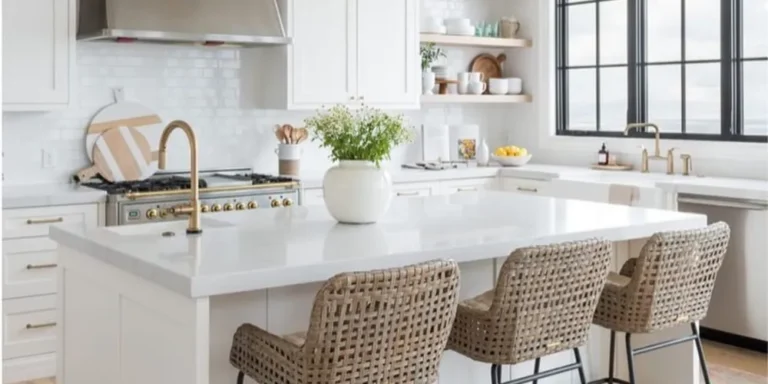
Kitchens are the heart of every home, and the way you organize and display items can greatly affect both functionality and aesthetics. One major choice homeowners face is whether to use open or hidden shelving. Open shelves can make a kitchen feel spacious, inviting, and modern. They allow easy access to frequently used items and provide a chance to display decorative pieces.
Hidden shelves, on the other hand, offer a cleaner, more organized look by concealing clutter. Choosing between these two styles depends on personal taste, kitchen size, and lifestyle. Open shelving works well in smaller kitchens because it creates an illusion of space. Hidden cabinets help in maintaining a minimalist or streamlined design. Materials, finishes, and layout play a key role in determining how shelving impacts the overall kitchen look.
Durability and ease of cleaning are also important factors. Lighting can enhance open shelving displays or highlight hidden cabinet fronts. Budget considerations often influence the choice, as open shelves can be more cost-effective. Safety and practicality matter, especially in homes with children or pets. Open shelving encourages organization and discipline in keeping items neat.
Hidden shelving reduces visual distractions and supports a tidy environment. Both options allow for creative design with color, material, and hardware choices. They can also coexist in hybrid designs, offering the best of both worlds. Overall, understanding the differences between open and hidden kitchen shelving helps homeowners make informed design choices.
What are the differences between open and hidden kitchen shelving
Choosing the right shelving type for your kitchen requires understanding their differences in design, functionality, cost, and maintenance. Here are ten key areas where open and hidden kitchen shelving differ:
1. Accessibility
Open shelving provides immediate access to items like dishes, spices, and cookware. You can grab what you need quickly without opening doors. This is particularly useful for busy cooks or smaller kitchens. Hidden cabinets require opening doors or drawers, which can slow down access. However, hidden shelving protects items from dust and spills. Open shelves encourage a tidy arrangement since items are always visible. Hidden shelves allow for a more relaxed storage approach.
Accessibility may influence placement based on usage frequency. For example, everyday dishes are better on open shelves, while seasonal cookware fits hidden cabinets. Open shelving reduces the need for handles or knobs. Hidden cabinets may include pull-out systems for easier access. Overall, open shelving emphasizes speed and convenience, while hidden shelving prioritizes protection and organization.
2. Aesthetics and Design
Open shelving creates a visually airy and modern feel. It allows homeowners to display decorative items, glassware, or colorful kitchenware. Hidden shelving offers a clean, minimalist appearance by concealing items behind doors. This style works well for contemporary or traditional kitchens. Open shelves can be customized with brackets, materials, and paint to match décor. Hidden cabinets come in various finishes, like wood, laminate, or painted surfaces.
Open shelving encourages visual creativity, while hidden shelving emphasizes uniformity. Lighting can enhance both styles differently—under-shelf lighting brightens open shelves, while cabinet lighting illuminates hidden storage when opened. Design choices impact the perceived size of the kitchen. Open shelving can make a small kitchen feel larger. Hidden shelves give a neat, uninterrupted wall surface. Overall, aesthetics are a major factor in the shelving decision.
3. Cost Considerations
Open shelving is often more budget-friendly because it requires fewer materials. There are no doors, hinges, or complex cabinet construction. Hidden shelving typically costs more due to cabinets, doors, hardware, and installation. Open shelves allow for DIY projects with reclaimed wood or simple brackets. Hidden cabinets often need professional installation for durability and alignment.
Cost also includes long-term maintenance and replacements. Open shelving may require periodic repainting or refinishing. Hidden cabinets may need occasional hinge or slide replacements. Budget-conscious homeowners may prefer open shelving as a cost-saving option. Overall, cost differences can significantly influence the decision between open and hidden shelving.
4. Cleaning and Maintenance
Open shelves expose items and surfaces to dust, grease, and kitchen splatters. Frequent cleaning is necessary to maintain a neat appearance. Hidden cabinets protect stored items from dust and spills. Wiping surfaces inside cabinets is generally less frequent. Open shelving requires regular organization to prevent clutter. Hidden shelving allows more relaxed storage habits.
Cleaning solutions and tools may differ—soft cloths and dusters for open shelves, mild cleaners for hidden cabinets. Kitchen ventilation and placement affect maintenance needs. Items on open shelves should be washable and easy to handle. Hidden shelving reduces visual cleaning pressure. Overall, open shelving requires more upkeep, while hidden shelving simplifies maintenance.
5. Storage Capacity
Hidden cabinets often provide more storage space due to enclosed design and multiple compartments. They can include drawers, shelves, and pull-out organizers. Open shelves usually offer limited space and can accommodate only frequently used or decorative items. Stacking items on open shelves may reduce accessibility. Hidden shelving can utilize vertical space effectively.
Open shelving may require careful spacing to prevent overcrowding. Hidden cabinets support organized storage for bulky or irregularly shaped items. The combination of both can maximize functionality. Storage needs often guide the choice of shelving type. Overall, hidden shelving generally offers greater capacity, while open shelves are ideal for light, accessible storage.
6. Safety
Hidden cabinets protect items from falling or being accidentally knocked over. Open shelving can pose hazards, especially in homes with children or pets. Heavy or fragile items on open shelves may require secure brackets or shelf supports. Hidden shelving reduces clutter-related accidents.
Open shelving requires careful arrangement for safety. In earthquake-prone areas or high-traffic kitchens, hidden cabinets are safer. Open shelving encourages lightweight or non-breakable items. Safety considerations may dictate the choice for busy households. Proper installation and support are crucial for both types. Overall, hidden shelving offers higher safety, while open shelving is more decorative but requires caution.
7. Flexibility and Customization
Open shelves offer easy customization for spacing, height, and arrangement. Items can be rearranged or displayed creatively. Hidden cabinets allow customization through modular units, pull-out drawers, and adjustable shelves. Open shelving supports seasonal décor changes and decorative displays.
Hidden shelving is more rigid but can include internal organizers. DIY open shelves are easy to modify or replace. Cabinet interiors can be customized with inserts or dividers. Combining both styles provides maximum flexibility. Overall, open shelving allows quick changes, while hidden shelving offers structured customization.
8. Visual Clutter
Open shelving exposes all stored items, increasing the risk of visual clutter if not organized. Hidden cabinets conceal everything, reducing visual distractions. Minimalist kitchens benefit from hidden shelving. Open shelves encourage discipline and regular decluttering. The choice affects overall kitchen aesthetics.
Open shelving can showcase decorative pieces, but excess items may overwhelm the space. Hidden shelving supports a tidy, uninterrupted look. Accent lighting and materials can help manage perceived clutter. Overall, hidden shelving reduces visual clutter, while open shelving emphasizes display and accessibility.
9. Installation and DIY Options
Open shelves are simpler and faster to install. They often require brackets, screws, and a level. Hidden cabinets require precise measurements, doors, hinges, and sometimes professional help. Open shelving is ideal for DIY enthusiasts and small renovations. Hidden cabinets may involve carpentry skills, hardware installation, and alignment checks.
Wall reinforcement is important for both types, but open shelves are lighter. Budget-friendly materials can reduce installation cost. Open shelving allows for creative, non-standard designs. Hidden cabinets require more planning and materials. Overall, open shelves are easier for DIY installation, while hidden cabinets demand more expertise.
10. Longevity and Durability
Hidden cabinets tend to be more durable because they protect items from exposure. Doors and panels extend the lifespan of stored items. Open shelves may require periodic repainting, refinishing, or replacement. Heavy or frequently used items can wear down open shelving faster. Quality materials increase durability for both types.
Wood, metal, or laminate options impact longevity. Hidden cabinets maintain appearance and reduce wear. Open shelving is more susceptible to accidental damage or sagging. Proper installation and maintenance prolong lifespan. Overall, hidden shelving offers higher long-term durability, while open shelves require more care over time.
Conclusion
Choosing between open and hidden kitchen shelving depends on style preferences, functionality, and lifestyle. Open shelves provide easy access, modern aesthetics, and budget-friendly DIY options. Hidden cabinets offer protection, greater storage capacity, and a clean, minimalist look. Accessibility, maintenance, and safety differ between the two types.
Open shelving requires regular organization and cleaning, while hidden shelving minimizes visual clutter. Cost, installation complexity, and customization options also influence decisions. Open shelves are flexible and allow decorative displays, while hidden shelves provide structured organization. Safety considerations are important for homes with children or pets.
Both styles can coexist in hybrid kitchens, combining display and storage. Lighting and placement impact the visual effect of either shelving type. Open shelving encourages creativity and seasonal updates. Hidden cabinets protect items from dust, spills, and damage. Storage needs and kitchen layout guide the choice. Longevity and durability favor hidden cabinets, though quality open shelves last with proper care.
Combining design, function, and budget ensures the kitchen meets practical and aesthetic needs. Ultimately, understanding these differences helps homeowners in the USA create kitchens that are beautiful, functional, and personalized. Thoughtful shelving decisions enhance both daily convenience and long-term satisfaction.
Accent features like open shelves can highlight style, while hidden shelving ensures order. By considering all factors, a balanced, efficient, and visually appealing kitchen can be achieved.