What are the best ways to soundproof shared walls in condos
Living in a condo in the USA often comes with shared walls, which can sometimes lead to unwanted noise from neighbors. Sound traveling through walls can disrupt daily life, sleep, and overall comfort. Soundproofing shared walls has become a priority for many homeowners and renters. Modern construction techniques and materials make it easier to reduce noise effectively.
Understanding the different options for soundproofing helps in making informed choices. Proper soundproofing not only improves comfort but also protects privacy. Noise can come from conversations, television, music, or even appliances. Condos with thin walls or older construction may require more extensive solutions. Soundproofing can involve wall insulation, acoustic panels, or even structural modifications.
Energy efficiency can also be a factor when installing certain materials. Solutions vary in cost, installation complexity, and effectiveness. Homeowners must consider both temporary and permanent soundproofing measures. Some methods require professional installation, while others are DIY-friendly. The goal is to create a peaceful indoor environment while respecting building codes.
Soundproofing shared walls increases property value and overall satisfaction. Materials like mass-loaded vinyl, acoustic foam, and resilient channels are commonly used. Proper planning ensures the chosen method addresses the main sources of noise. Techniques can target airborne sounds, like voices, or impact sounds, like footsteps.
Combining different soundproofing strategies often gives the best results. Overall, reducing noise through shared walls improves quality of life in condos.
What are the best ways to soundproof shared walls in condos
Soundproofing shared walls in condos requires strategies that balance effectiveness, cost, and installation feasibility. Several methods are available to help homeowners and renters reduce noise transfer. Here are ten effective ways to soundproof shared walls, with detailed explanations:
1. Add Mass to the Wall
Adding mass to walls is a basic principle of soundproofing. Heavier walls block more sound than lightweight ones. Materials like drywall, plywood, or cement board can increase wall mass. Adding an extra layer of drywall with soundproofing glue improves sound insulation. Mass-loaded vinyl (MLV) is a flexible material that adds density without major structural changes. Thicker walls reduce transmission of low and high-frequency sounds.
Adding mass helps with both airborne and impact noises. Combining mass with decoupling techniques enhances effectiveness. MLV can be installed between drywall layers or over existing walls. Heavy furniture along walls can add minor additional mass. Proper sealing around edges is critical to prevent sound leaks. Mass addition is a permanent solution that enhances privacy. Overall, increasing wall mass is a reliable method for soundproofing shared walls.
2. Use Acoustic Panels
Acoustic panels absorb sound and reduce echo within rooms. They are effective for controlling high-frequency noises like voices or televisions. Panels are available in foam, fabric-wrapped, or wood materials. Decorative options allow aesthetic integration with home décor. Panels are easy to install on existing walls with minimal construction. Thickness and density affect their performance.
Combining panels with other methods increases noise reduction. Acoustic panels help in both studios and living spaces. Placement near noise sources improves effectiveness. Panels can also reduce reflection from hard surfaces. They are lightweight and sometimes portable for renters. Panels work best when combined with mass addition for low-frequency sound. Fire-resistant panels are available for safety compliance. Overall, acoustic panels are an easy and visually appealing solution for noise absorption.
3. Install Resilient Channels
Resilient channels decouple drywall from wall studs to reduce vibration transfer. This technique interrupts sound waves passing through the structure. Channels are metal strips installed horizontally on studs before drywall. Adding drywall over channels improves soundproofing significantly. This method is especially effective for airborne noises. Installation is relatively straightforward but may require professional help. Channels prevent direct contact between wall layers, reducing impact sounds.
Combining channels with insulation further enhances results. Proper sealing at edges and corners is essential. Resilient channels are compatible with existing walls and renovations. They are ideal for condos where structural changes are limited. Channels add minimal thickness compared to full wall reconstruction. Maintenance is low once installed. Overall, resilient channels offer effective structural sound isolation for shared walls.
4. Apply Green Glue Soundproofing Compound
Green Glue is a damping compound that converts sound vibrations into heat. It is applied between two layers of drywall for maximum effectiveness. This method reduces both airborne and impact noises. Green Glue is non-toxic and easy to use in residential settings. Application involves spreading a thin layer before attaching the second drywall layer. It works well with other mass addition methods.
The compound remains flexible, preventing cracks or separation. Green Glue is highly effective for mid-frequency noise reduction. It is often used in studios, home theaters, and condo renovations. Professional installation improves performance but DIY is possible. The product does not add significant weight to walls. Proper sealing around edges enhances overall soundproofing. Green Glue is cost-effective compared to structural reconstruction. Overall, it is a popular choice for modern soundproofing projects.
5. Use Soundproofing Insulation
Soundproofing insulation fills wall cavities to block noise. Fiberglass, mineral wool, and cellulose insulation are common options. Mineral wool offers superior sound absorption and fire resistance. Insulation reduces airborne sound traveling through hollow wall cavities. Proper installation ensures coverage in all gaps and corners. Insulation works best in combination with mass addition or resilient channels.
Thicker insulation provides better low-frequency sound reduction. It also adds minor thermal insulation benefits. Retrofitting insulation into existing walls may require partial removal of drywall. Professional installation ensures safety and effectiveness. Insulation is an affordable way to improve wall soundproofing. It enhances comfort without altering room appearance. Overall, soundproofing insulation is a reliable and widely used solution for condos.
6. Seal Gaps and Cracks
Sound can leak through small gaps and cracks in walls. Sealing edges, outlets, and baseboards reduces noise transfer. Acoustic caulk or sealant is designed to remain flexible and block sound. Door frames, window frames, and electrical boxes require special attention. Proper sealing complements other soundproofing methods. It prevents high-frequency sound from passing through unnoticed openings.
Sealants are easy to apply and affordable. Gaps around pipes or vents should also be addressed. Acoustic weatherstripping is useful for doors and movable partitions. Regular inspection ensures seals remain effective over time. Even minor gaps can compromise major soundproofing efforts. Overall, sealing gaps is a simple but essential step in noise reduction.
7. Install Double Drywall Layers
Adding a second layer of drywall increases mass and reduces sound transmission. When combined with Green Glue or acoustic sealant, performance improves further. Double drywall works for both new construction and renovation projects. The technique reduces low and mid-frequency noise effectively. Screws or furring strips help attach the second layer without compromising integrity.
Thickness and type of drywall influence effectiveness. Extra layers may slightly reduce room space. Fire-rated drywall can be used for safety compliance. Double drywall provides a long-term solution with minimal visual impact. Combination with resilient channels enhances isolation. Careful alignment ensures a flat and smooth finish. Overall, double drywall layers are a classic and efficient soundproofing method.
8. Consider Floating Walls
Floating walls are walls decoupled from the original structure. This method prevents sound vibration from transferring through studs. It is highly effective but requires more space and structural work. Often used in high-end renovations or studio apartments. The construction involves metal channels, insulation, and double drywall layers. Floating walls reduce both airborne and impact noises.
They can be integrated into existing condos with professional planning. This method allows maximum sound isolation in shared-wall scenarios. Proper anchoring ensures safety and durability. Floating walls can be combined with acoustic panels for added absorption. Costs are higher but performance is superior. This approach is ideal for rooms requiring high privacy. Overall, floating walls provide premium soundproofing in challenging situations.
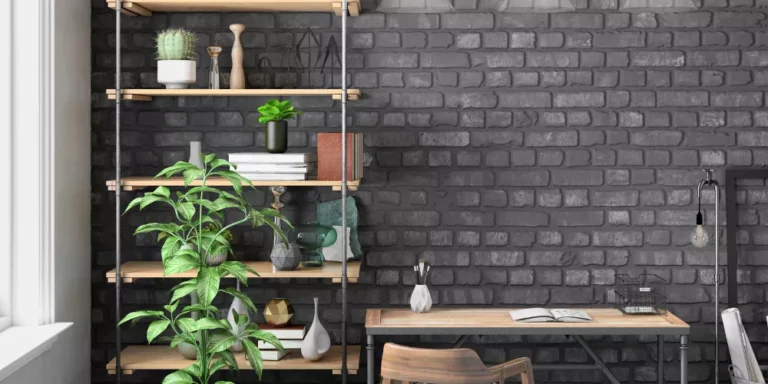
9. Add Bookshelves or Furniture Against Shared Walls
Strategically placing bookshelves or large furniture against shared walls can help dampen sound. Books, fabric, and dense furniture absorb and block noise. While less effective than structural modifications, this is a simple and cost-effective measure. Adding cushions, rugs, or wall hangings increases sound absorption. Furniture placement works best in combination with insulation or acoustic panels.
This method enhances both aesthetics and soundproofing. It is particularly useful in rental units where construction changes are limited. Layering materials with different densities improves performance. Heavy furniture reduces vibration transmission through walls. Bookshelves also provide practical storage while improving comfort. This solution is easy to implement and reversible. Overall, furniture can be an auxiliary soundproofing method for condos.
10. Use Acoustic Wallpaper or Wall Coverings
Acoustic wallpaper and specialized wall coverings can reduce noise levels. These materials combine decorative appeal with sound-absorbing properties. They are easy to install over existing walls and do not require major construction. Acoustic wallpaper works for mid to high-frequency noise reduction.
Materials include foam-backed vinyl, fabric, and cork panels. Patterns and textures allow aesthetic customization. They are suitable for living rooms, bedrooms, or home offices. Layering with insulation or panels enhances overall performance. Maintenance is straightforward and does not require painting. Acoustic wallpaper is ideal for renters seeking temporary solutions. It provides both privacy and style. Overall, acoustic wall coverings are a versatile addition to soundproofing strategies.
Conclusion
Soundproofing shared walls in condos is essential for creating a peaceful, private living environment. Various methods exist, ranging from simple DIY solutions to professional structural changes. Adding mass to walls improves low and high-frequency noise blocking. Acoustic panels absorb sound and reduce echo within rooms. Resilient channels decouple drywall to prevent vibration transfer.
Green Glue damping compound converts sound vibrations into heat for effective reduction. Soundproofing insulation fills wall cavities to block airborne noise. Sealing gaps and cracks prevents leaks that compromise soundproofing. Double drywall layers add mass and enhance privacy. Floating walls offer premium isolation for high-demand areas. Strategically placed furniture and acoustic wall coverings provide additional noise reduction. Combining multiple strategies often yields the best results.
Soundproofing also improves comfort, sleep quality, and home value. Proper planning and professional guidance can optimize performance. Materials should be chosen based on budget, space, and noise sources. Maintenance and durability are key for long-term effectiveness. Even small improvements can significantly reduce disruptions from neighbors. Condos with shared walls benefit from thoughtful soundproofing strategies.
Noise reduction enhances quality of life and overall satisfaction. A calm, quiet home is achievable with the right techniques and materials. Proper soundproofing transforms condos into comfortable and private living spaces.