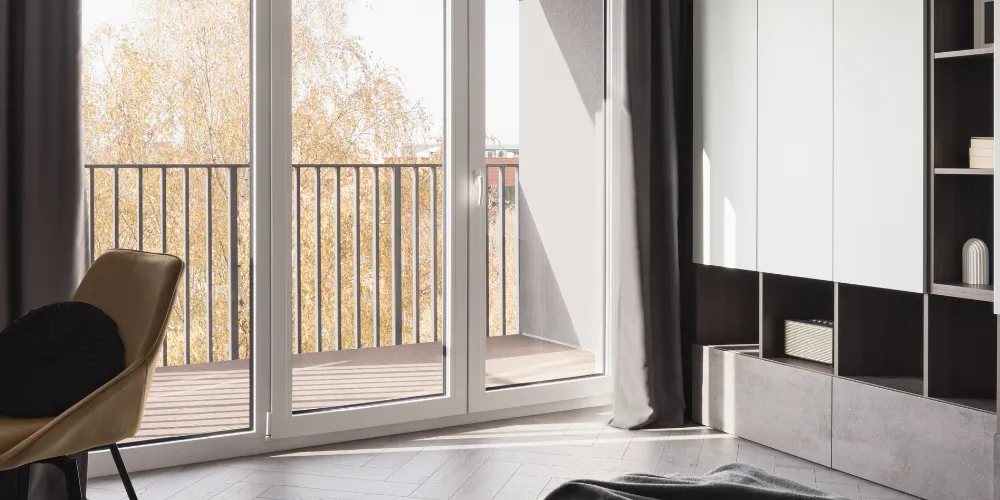
How can I make the most of natural light in a home renovation
Natural light is one of the most important elements in a home renovation. It makes spaces feel larger, warmer, and more inviting. In the USA, homeowners are increasingly aware of the benefits of daylight. Using natural light wisely can reduce energy bills and improve mood. Proper lighting design also enhances the aesthetic appeal of a home. Renovations provide an opportunity to maximize sunlight in every room.
Orientation, window placement, and interior layout all play a role. Skylights, light tubes, and glass doors are popular solutions. Natural light can highlight architectural features and interior decor. It also improves indoor air quality when combined with proper ventilation. Homeowners can choose window treatments that allow light while maintaining privacy. Reflective surfaces like mirrors and light-colored walls can amplify sunlight.
Landscaping can affect the amount of light entering a home. Trees, fences, and other structures may block or filter sunlight. Modern construction materials allow for larger windows without energy loss. Natural light promotes healthy living by regulating circadian rhythms. It can also reduce the need for artificial lighting during the day. Daylighting strategies differ depending on climate and location in the USA.
Professional designers can help optimize light without causing glare or overheating. Overall, making the most of natural light combines functionality, aesthetics, and energy efficiency.
How can I make the most of natural light in a home renovation
Natural light can transform a home, making it feel brighter, warmer, and more spacious. Renovation projects are the perfect time to enhance daylighting. Proper planning ensures light reaches the right areas and enhances comfort. Here are ten ways to maximize natural light during a renovation:
Window Placement and Size
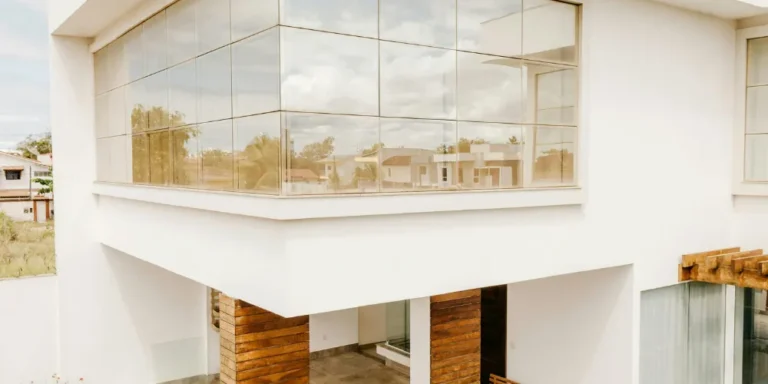
Windows are the main source of natural light. Larger windows allow more sunlight to enter. South-facing windows are ideal in the USA for maximum winter light. Placing windows at varying heights brings light deeper into rooms. Consider floor-to-ceiling windows in living areas. Corner windows create a panoramic effect. Windows above eye level illuminate without compromising privacy. Sliding or French doors can act as additional light sources. Designers can balance window size to avoid heat gain.
Professional installation ensures proper insulation and sealing. Proper placement reduces glare and uneven lighting. Skylights can complement traditional windows. Glass quality affects light clarity and energy efficiency. Window orientation should consider sun paths and seasonal changes. Low-E coatings help manage heat without blocking light. Window frames should minimize obstruction. Multiple smaller windows can distribute light evenly. Reflective window sills enhance sunlight spread. Window placement should also consider furniture layout. Correct sizing avoids overexposure or heat loss. Professional advice ensures windows optimize both light and energy savings.
Skylights and Roof Windows
Skylights bring light to rooms with limited wall space. They are ideal for bathrooms, kitchens, and hallways. Roof windows can be fixed or operable for ventilation. They create a sense of openness and height. Energy-efficient models prevent heat loss in winter. Skylights can be strategically placed above work areas. Diffused skylights reduce harsh shadows. Electric or solar blinds can control brightness. Installing multiple skylights increases even light distribution. Skylights can complement wall windows for balanced lighting.
They also improve ventilation when operable. Professional installation ensures water tightness and insulation. Different shapes and sizes affect light direction and intensity. Curved or pyramid skylights add architectural interest. Positioning should avoid overheating in summer. Light tubes are an alternative for small spaces. They guide sunlight through reflective tubes. Choosing the right glazing reduces UV damage. Skylights enhance energy savings by reducing artificial light use. Maintenance is easier with professional installation. Safety standards are essential for roof access.
Light-colored Interior Walls
Walls reflect light, making rooms feel brighter. White or light shades are most effective. Soft pastels can add warmth without absorbing light. Matte finishes reduce glare while maintaining brightness. Lighter colors extend daylight deeper into rooms. Accent walls should be chosen to avoid reducing reflection. Using reflective trim and moldings enhances natural light. Light colors on ceilings amplify the sense of height. Glossy finishes on furniture or cabinets can also help. Walls near windows benefit most from light tones.
Painting staircases in light shades brightens dark corridors. Professional color consultation ensures the right palette. Combining wall color with natural wood creates balance. Light-colored flooring complements wall brightness. Strategic use of color can define spaces while enhancing light. Natural textures like stone or plaster reflect differently. Layering color tones adds depth. Consistent light shades throughout rooms unify spaces. Lighter interiors reduce dependence on artificial lighting. Proper selection avoids cold or clinical feel.
Mirrors and Reflective Surfaces
Mirrors amplify sunlight, making spaces feel larger. Placing mirrors opposite windows reflects light into darker areas. Large mirrors in living rooms or dining areas maximize impact. Reflective furniture surfaces like glass or metal enhance brightness. Mirrors in narrow hallways prevent shadows. Consider decorative mirrors to combine style with function. Metallic or glossy finishes on cabinets improve light flow. Mirrors can highlight architectural features. Avoid positioning mirrors where glare becomes uncomfortable.
Use mirrored tiles or backsplashes in kitchens and bathrooms. Professional placement ensures effective reflection. Reflective surfaces also improve mood and energy. Combining mirrors with light-colored walls enhances brightness. Mirrors near skylights distribute overhead light. Avoid overcrowding mirrors to prevent visual clutter. Layering reflective surfaces enhances depth perception. Mirrors can visually connect indoor and outdoor spaces. Glass tabletops help bounce light at lower levels. Proper use of mirrors reduces the need for artificial light. Balanced reflection avoids harsh contrasts.
Open Floor Plans
Open layouts allow light to travel freely across spaces. Removing non-structural walls enhances daylight penetration. Open kitchens, living rooms, and dining areas benefit most. Strategic furniture placement avoids blocking windows. Glass partitions or half walls maintain openness while defining zones. Open floors increase airflow and ventilation. Multi-level designs let sunlight reach lower floors. Minimalist design reduces shadows and dark corners. Light-colored flooring complements open layouts. Skylights combined with open plans optimize natural light. Professional planning ensures structural safety.
Open floor plans improve interaction between family members. They also enhance property value and aesthetics. Proper lighting design avoids glare in large spaces. Open layouts support multifunctional spaces. Continuous sightlines increase the perception of space. Layering natural and artificial light balances ambiance. Open designs allow better integration with outdoor views. Planning for storage ensures clutter doesn’t block light. Structural integrity must be maintained with removed walls.
Glass Doors and Partitions
Glass doors connect indoor and outdoor areas. They allow light to enter while maintaining separation. French or sliding doors maximize sunlight in living spaces. Interior glass partitions bring light into hallways or bathrooms. Frosted or textured glass maintains privacy without reducing brightness. Glass stair railings improve light flow. Choosing energy-efficient glass prevents heat loss. Professional installation ensures proper sealing and insulation. Glass doors enhance modern aesthetics and openness. Glass walls reduce the need for artificial lighting. They also visually expand spaces.
Placement near windows improves daylight penetration. Glass can be combined with wooden or metal frames for style. Proper orientation avoids overheating in summer. Glass panels reflect light into darker corners. Glass accents in furniture complement natural light. Transparent or translucent materials maintain functionality. Layered glass surfaces create dynamic lighting effects. Glass doors improve indoor-outdoor connection. Safety standards are important for installation.
Light Shelving and Furniture Placement
Furniture can block or reflect natural light. Low-profile shelving avoids obstructing windows. Transparent or open shelving lets light pass through. Avoid placing tall furniture near key windows. Using light-colored furniture enhances brightness. Mirrors integrated into furniture reflect sunlight. Floating shelves maintain light flow in smaller rooms. Arranging seating to face windows maximizes light exposure.
Furniture with glass or acrylic surfaces improves reflection. Professional designers help plan layouts for optimal lighting. Clear pathways allow light to spread freely. Avoid dense rugs that absorb light. Light furniture enhances open-concept areas. Proper placement reduces shadow zones. Modular furniture supports flexible lighting strategies. Wall-mounted storage keeps floors open. Furniture near skylights should not cast harsh shadows. Use furniture to guide light into darker corners. Coordinated color palettes improve overall brightness. Furniture layout impacts both aesthetics and function.
Window Treatments
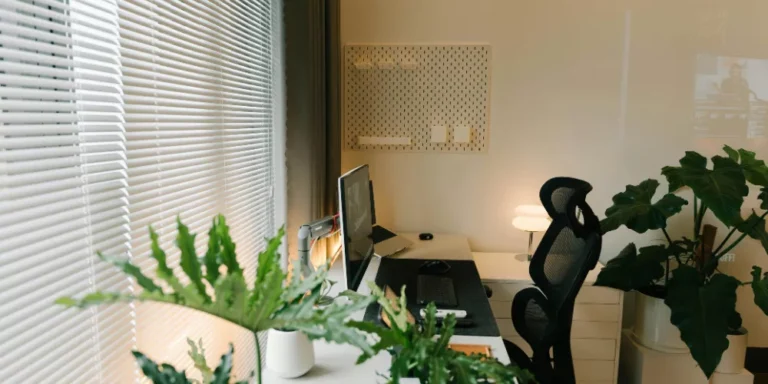
Window treatments control light without blocking it completely. Sheer curtains diffuse sunlight while maintaining privacy. Blinds allow adjustable light control. Roller shades offer clean lines and functional light management. Layering curtains with blinds provides flexibility. Light-colored fabrics enhance brightness. Professional selection ensures proper sizing and operation. Avoid heavy drapes that block sunlight entirely. Window treatments also contribute to energy efficiency. Automated systems offer convenience and consistent light control. Treatments should complement interior design while maximizing light.
Positioning treatments inside the frame increases wall reflection. Light filtering fabrics reduce glare while maintaining warmth. Treatments can prevent UV damage to furniture. Proper installation ensures smooth operation. Coordinated colors support overall interior brightness. Treatments also help control heat gain in summer. Combining light control with aesthetics improves comfort. Treatments near skylights require special hardware. Adjustable solutions adapt to seasonal sunlight changes.
Outdoor Landscaping
Trees, shrubs, and fences affect natural light entering a home. Trimmed trees allow more sunlight without compromising privacy. Deciduous trees provide summer shade and winter sun. Outdoor structures should not block windows. Light-colored hardscaping reflects sunlight indoors. Using low shrubs or raised planters near windows improves light flow. Landscaping design considers sun angles and seasonal changes. Reflective surfaces like water features enhance brightness. Professional landscaping integrates aesthetics with light optimization. Outdoor mirrors can reflect light into shaded areas.
Strategic plant placement maintains airflow and sunlight access. Outdoor areas should complement indoor daylighting. Using glass or transparent fences improves light transmission. Landscaping can also reduce glare or overheating. Shade sails or pergolas control sunlight exposure. Proper planning prevents shadows from reducing daylight indoors. Landscaping enhances overall energy efficiency. It also improves visual connection with nature. Outdoor design impacts indoor lighting quality.
Color and Material Choices
Colors and materials impact how light is perceived. Light floors, ceilings, and walls enhance reflection. Glossy or semi-gloss surfaces bounce light effectively. Using reflective countertops or backsplashes amplifies sunlight. Natural materials like stone or wood interact differently with light. Lighter hues make small spaces feel larger. Layering textures adds depth while maintaining brightness. Avoid overly dark or matte finishes that absorb light. Professional advice ensures materials suit both aesthetics and function. Coordinated color schemes unify spaces while optimizing light.
Materials should also support energy efficiency. Using metallic accents reflects sunlight subtly. Choosing proper finishes reduces glare and enhances comfort. Materials with transparency improve light flow. Sustainable materials can maintain brightness while being eco-friendly. Interior finishes affect perception of space and mood. Light interaction with materials can create visual interest. Selecting the right palette enhances both function and beauty. Proper material choice complements windows, mirrors, and furniture. Integrated design ensures natural light reaches all areas effectively.
Conclusion
Maximizing natural light in a home renovation improves comfort, energy efficiency, and aesthetics. Well-planned daylighting makes spaces feel larger, warmer, and more inviting. Using larger windows, skylights, and glass doors ensures sunlight penetrates deep into rooms. Reflective surfaces, mirrors, and light-colored walls amplify daylight. Open floor plans allow light to flow freely, reducing dark corners.
Furniture placement and window treatments further enhance light distribution. Landscaping and outdoor design influence indoor brightness. Choosing proper colors and materials complements natural light. Professional guidance ensures optimal results while avoiding glare and overheating. Energy-efficient solutions like Low-E windows maintain comfort. Light improves mood, health, and daily productivity.
Layering daylight with artificial lighting creates balanced spaces. Renovation projects are the perfect opportunity to optimize light exposure. Combining function, design, and safety enhances home value. Careful planning reduces energy consumption and lighting costs. Effective natural light planning contributes to sustainable living. Well-lit homes feel more welcoming and enjoyable.
Proper daylighting enhances both indoor and outdoor experiences. Homeowners gain a long-term return on investment through thoughtful light design. Maximizing sunlight ensures a brighter, healthier, and more beautiful living environment in every part of the home.