How Can I Design a Cantilevered Deck Safely?
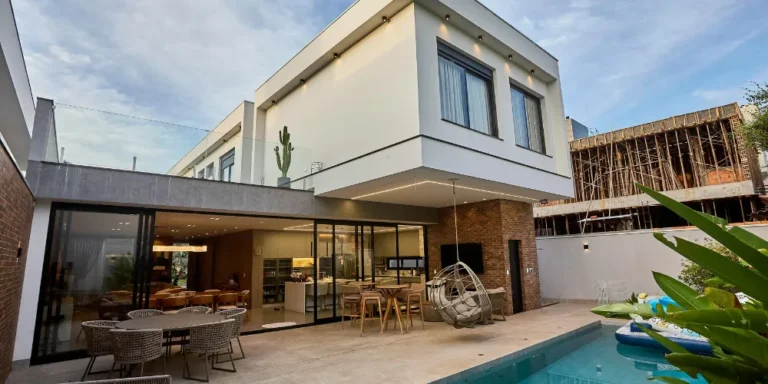
A cantilevered deck can add style, functionality, and value to any home in the USA. These decks extend beyond the house without traditional support posts, creating a floating effect that is visually striking. Designing one safely requires careful planning, proper materials, and adherence to building codes. Cantilevered decks are ideal for backyards with uneven terrain or limited space for posts. They can offer unobstructed views, make outdoor entertaining more enjoyable, and create a unique architectural feature. Proper planning ensures stability, prevents sagging, and supports weight safely. Deck size, load capacity, and attachment methods must be carefully considered. Homeowners should evaluate soil conditions, house structure, and existing framing. Using high-quality lumber, fasteners, and connectors increases durability.
Deck design also incorporates aesthetics, including railing, flooring patterns, and finishes. Safety precautions are crucial to prevent accidents or structural failures. Proper drainage and moisture control prevent wood rot and material damage. Selecting the right cantilever depth ensures balance and strength. Deck spacing, joist layout, and ledger attachment influence structural performance. Designing a cantilevered deck requires a balance between creativity and engineering principles. Consulting local building codes guarantees compliance and safety. A well-built cantilevered deck enhances outdoor living while protecting your home and family. Maintenance, inspection, and proper construction practices prolong the deck’s lifespan. Step-by-step planning ensures functionality, beauty, and safety in every project. Homeowners can enjoy a floating deck with confidence when the design is done correctly.
How Can I Design a Cantilevered Deck Safely?
Designing a cantilevered deck safely involves structural planning, load calculations, material selection, and proper installation techniques. Here are ten key strategies to achieve a secure and functional deck.
1. Evaluate the House Structure
The strength of your cantilevered deck starts with your home. Many USA homeowners inspect existing framing and exterior walls. Determine if the house can support the deck’s weight without additional reinforcements. Check the condition of joists, beams, and the foundation. Ensure attachment points are free from rot, damage, or decay. Consult a structural engineer if necessary for load calculations. Load-bearing walls are preferable attachment points. Inspect connections for proper nailing, bolts, or screws. Evaluate house siding or sheathing for potential water intrusion. Reinforce framing if necessary before deck installation. Proper evaluation prevents structural failure. Consider the roofline, overhangs, and drainage. Verify floor joist spans and spacing. Ensure there is no interference with plumbing, wiring, or HVAC systems. Reinforce critical areas with additional support beams if needed. Accurate assessment ensures a strong foundation for the deck. Addressing structural issues early saves costly repairs later. Properly evaluating the house protects both property and occupants.
2. Determine Deck Size and Load Capacity
Calculating the right size and load ensures safety. Many USA homeowners measure the desired deck length, width, and cantilever depth. Cantilever projections are typically limited to a portion of the deck joist length. Exceeding recommended spans can cause sagging or failure. Determine maximum live load for people, furniture, and planters. Factor in snow loads for northern climates. Verify materials can support the weight over the intended span. Calculate dead load from decking materials, railings, and fasteners. Avoid exceeding manufacturer or code limits. Load calculations influence joist spacing, thickness, and orientation. Consider future use and possible upgrades. Safe deck design requires both horizontal and vertical load assessment. Include lateral forces from wind or seismic activity in calculations. Deck width affects cantilever performance and stability. Balance aesthetics with practical limitations. Planning for correct load prevents accidents and prolongs deck life. Oversized decks may require additional hidden support beams. Proper load planning ensures compliance with local building codes.
3. Select Appropriate Lumber and Materials
Material choice affects both safety and longevity. Many USA homeowners choose pressure-treated lumber, cedar, redwood, or engineered wood for durability. Use moisture-resistant, rot-resistant, and termite-resistant materials. For heavy loads, consider laminated beams or steel reinforcement. Choose deck boards with adequate thickness to prevent flexing. Fasteners should be corrosion-resistant, such as stainless steel or coated screws. Ledger boards must match strength requirements and be properly sized. Avoid softwoods prone to warping under cantilever stress. Treated wood should be compatible with fasteners to prevent corrosion. Composite materials may provide low maintenance alternatives. Ensure joists and beams meet span and load specifications. Proper material selection reduces long-term maintenance. Avoid using recycled or weak wood without engineering verification. Verify product ratings for outdoor and structural use. High-quality materials prevent early sagging or decay. Material choice also affects aesthetics and comfort. Choose finishes that resist UV and weathering. Proper materials contribute to both safety and beauty. Durable materials reduce repair frequency and costs. Properly sized boards and beams prevent structural compromise.
4. Install a Strong Ledger Board
The ledger board connects the deck to your home and carries most of the load. Many USA homeowners use lag bolts or structural screws to attach the ledger securely. Ensure it is mounted to a solid rim joist, not just siding. Use flashing to prevent water penetration behind the ledger. Verify the ledger is level for uniform joist attachment. Spacing of fasteners should comply with building codes. Consider double ledger boards for wider cantilevered decks. Inspect the rim joist for rot or weakness before installation. Proper attachment prevents deck separation from the house. Use washers and locking nuts to increase stability. Reinforce critical points if needed to handle high loads. Verify alignment with deck joists. Correct ledger installation reduces stress on cantilevered beams. Flashing protects wood and prevents structural decay. Avoid unsupported ledger spans. Ledger placement influences deck height and railing attachment. Proper ledger installation ensures long-term stability. Check all fasteners for tightness after installation. Regular inspection maintains safety. A secure ledger prevents deck failure during high load or adverse weather.
5. Plan Joist Layout and Cantilever Support
Joist layout determines deck stability and load distribution. Many USA homeowners use 2×8 or 2×10 joists for typical cantilevers. Joist spacing is often 16 inches on center, but spacing may adjust depending on decking material. Cantilever joists extend beyond the ledger to support the overhang. Avoid exceeding recommended cantilever length—typically one-fourth of the joist span. Consider using engineered beams or rim joists for extra strength. Joist hangers and brackets ensure secure connections. Check alignment and level to avoid uneven decking. Cross bracing may be needed for lateral stability. Proper joist layout prevents sagging and bounce. Plan joist orientation according to decking board direction for load efficiency. Account for railing posts in the layout. Joist reinforcement increases durability over time. Verify load distribution to avoid overstressing any joist. Proper spacing and attachment reduce flexing and noise. Ensure joists are straight, free from defects, and properly supported. Include blocking between joists for added stability. Step-by-step joist planning prevents costly mistakes. Accurate cantilever design enhances safety and aesthetics.
6. Incorporate Beams and Bracing if Needed
Additional beams or bracing may improve deck safety. Many USA homeowners add hidden steel or wood beams under long cantilevered spans. Diagonal bracing can prevent lateral movement and wobbling. Ensure bracing does not obstruct usable space or aesthetics. Structural beams should be sized based on load calculations. Secure connections with lag bolts or brackets. Beams can be concealed in fascia or deck framing. Include cross braces for wider decks to enhance stability. Proper bracing reduces stress on ledger and joists. Evaluate beam placement for both function and design. Consider future load adjustments like hot tubs or heavy furniture. Beams also improve safety during extreme weather or seismic events. Verify all connections meet building code requirements. Use treated wood or steel for long-term durability. Avoid shortcuts that compromise structural integrity. Hidden bracing allows a clean cantilever look while maintaining strength. Proper beam planning increases confidence in deck safety. Check all bracing for tightness during installation. Reinforced decks withstand high traffic and environmental stress. Proper bracing protects your home and family.
7. Install Durable Decking and Railings
Deck boards and railings complete the deck while contributing to safety. Many USA homeowners use pressure-treated wood, composite, or cedar boards. Secure boards with corrosion-resistant fasteners. Railings should meet height and spacing codes for safety. Cantilever decks may require stronger railing posts due to overhang stress. Use sturdy brackets or embedded posts for rail stability. Consider glass panels or cable railings for unobstructed views. Ensure railings can withstand lateral force and daily use. Proper decking installation prevents warping or flexing. Verify spacing between boards for drainage and air circulation. Smooth edges reduce tripping hazards. Include anti-slip treatments for safety during wet conditions. Railings also provide aesthetic appeal and complement deck design. Proper deck board installation ensures durability and long-term stability. Align boards for uniform appearance and drainage. Step-by-step installation avoids gaps or uneven surfaces. Railing reinforcement may be required for cantilevered ends. Decking material choice influences maintenance requirements. Durable materials reduce long-term repair costs. Railings enhance safety and prevent accidents. Proper decking and railing installation ensures both beauty and functionality.
8. Ensure Proper Drainage and Weather Protection
Water management protects the deck and home. Many USA homeowners slope decks slightly away from the house. Use flashing along the ledger to prevent water infiltration. Seal edges, gaps, and fasteners to resist moisture damage. Choose water-resistant finishes or stains for wood decks. Proper drainage prevents rot, mold, and insect damage. Gutters or downspouts may direct water away from the deck. Ensure space between boards for water runoff. Composite materials resist warping and moisture absorption. Inspect deck after heavy rain to verify drainage performance. Protect cantilevered ends from standing water. Overhangs, pergolas, or canopies can reduce direct water exposure. Weather protection prolongs lifespan and reduces maintenance. Proper flashing prevents structural decay behind the ledger. Moisture control ensures long-term deck stability. Avoid using untreated wood for exposed cantilever sections. Regular inspection identifies early water damage. Correct drainage maintains safety and appearance. Weatherproofing enhances comfort and usability. Maintaining the deck prevents costly repairs. Proper water management protects your investment.
9. Comply with Local Building Codes and Permits
Following codes is essential for safety and legality. Many USA homeowners check local building codes for cantilevered decks. Obtain permits before construction. Codes may dictate maximum cantilever length, joist spacing, railing height, and load requirements. Inspectors may require structural calculations or engineered drawings. Failure to comply can result in fines, unsafe conditions, or insurance issues. Use approved materials and connectors per code. Consider fire resistance and seismic requirements in applicable regions. Maintain documentation of plans, permits, and inspections. Adhering to codes ensures safe design for family and guests. Periodic inspections may be required during construction. Verify electrical, lighting, or plumbing installations comply with local rules. Hiring licensed contractors ensures code compliance. Code adherence protects property value and resale potential. Safe design prevents structural failure and accidents. Building codes vary by state and municipality. Proper compliance integrates safety with aesthetics. Permits guarantee oversight by qualified professionals. Documentation protects homeowners in case of disputes. Codes guide safe cantilevered deck design.
10. Plan for Maintenance and Inspection
Ongoing care prolongs deck life and maintains safety. Many USA homeowners schedule seasonal inspections. Check for sagging, loose fasteners, or rotting wood. Reapply protective finishes or stains as needed. Inspect railings and posts for stability. Examine flashing, drains, and gaps for water damage. Verify joist and ledger integrity over time. Remove debris and keep the deck clean. Ensure fasteners and connectors remain corrosion-free. Trim vegetation around the deck to prevent moisture buildup. Replace damaged boards promptly. Proper maintenance prevents minor issues from becoming major repairs. Keep a log of inspections and repairs. Adjust or reinforce cantilever sections as necessary. Maintain outdoor furniture and planters to avoid overloading. Regular maintenance ensures safety for family and guests. Preventing water damage preserves structural integrity. Check deck alignment for early signs of settling. Clean deck surfaces to reduce slips and falls. Well-maintained decks remain visually appealing and safe. Ongoing care protects your investment and enhances longevity.
Conclusion
Designing a cantilevered deck safely requires careful attention to structural, material, and regulatory considerations. Evaluating the house structure ensures the deck can carry intended loads. Proper sizing and load calculations prevent sagging and structural failure. Selecting durable lumber, fasteners, and materials enhances longevity. Installing a secure ledger and planning joist layout ensures stability. Additional beams or bracing may be necessary for larger spans. Decking and railings should be strong, properly installed, and code-compliant. Drainage and weather protection prevent rot, moisture damage, and safety hazards. Complying with local building codes and obtaining permits guarantees legal and safe construction. Ongoing maintenance and inspection prolong deck life and protect users. Cantilevered decks offer aesthetic appeal, increased outdoor living space, and architectural interest. Layered planning balances beauty with structural integrity. Attention to detail prevents accidents, sagging, or water damage. Using professional guidance when necessary improves safety and quality. Proper load, joist, and ledger design ensures stability over time. Regular inspections identify early issues and allow timely repairs. Material selection and fasteners influence durability and maintenance needs. Drainage and flashing preserve the deck and home structure. Compliance with codes safeguards against legal and safety risks. With careful planning, a cantilevered deck provides functional, stylish, and safe outdoor enjoyment for years.