What Are the Best Ways to Replace Old Siding with Fiber-Cement in US Climates?
Replacing old siding is an essential home improvement project for many homeowners across the USA. Aging or damaged siding can affect a house’s curb appeal, energy efficiency, and structural integrity. Fiber-cement siding has become a popular choice due to its durability, weather resistance, and low maintenance requirements. It withstands harsh weather conditions, resists rot, insects, and fire, and maintains its appearance for decades. Fiber-cement siding is suitable for a variety of climates across the USA, including humid coastal areas, snowy northern states, and hot southern regions. Proper installation ensures long-term performance and protects the home’s interior from moisture and drafts.
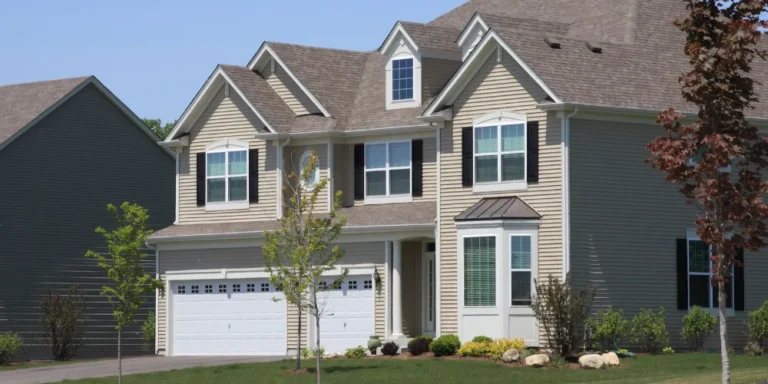
This material can mimic the look of wood, stucco, or stone, providing aesthetic flexibility. Homeowners must plan carefully to remove old siding, inspect the underlying structure, and install fiber-cement properly. It often requires precise cutting, specialized tools, and attention to fasteners and flashings. Fiber-cement siding also contributes to energy efficiency when combined with proper insulation and weather barriers. Homeowners may also consider repainting or finishing options to match their desired exterior style. Budget, labor, and local building codes are important factors in the planning process.
A well-installed fiber-cement siding system increases the home’s value and reduces maintenance costs over time. It can also improve resistance to extreme weather events such as hail, wind, and heavy rain. Choosing the right siding color and texture enhances curb appeal and complements architectural style. Homeowners should also consider warranties and manufacturer recommendations for installation. Planning the siding replacement step-by-step ensures safety, efficiency, and lasting results. This guide outlines the best ways to replace old siding with fiber-cement in US climates, offering practical tips, detailed steps, and maintenance advice.
What Are the Best Ways to Replace Old Siding with Fiber-Cement in US Climates?
Replacing old siding with fiber-cement requires planning, proper tools, and attention to detail. The process ensures durability, weather resistance, and aesthetic appeal. Proper installation prevents water damage, improves insulation, and extends the life of the siding. Below are ten key considerations and steps for homeowners in the USA.
1. Inspect the Existing Structure
Before removing old siding, inspect the underlying structure for rot, mold, insect damage, or water intrusion. Many USA homeowners discover that damaged sheathing or framing must be repaired before installing fiber-cement siding. Inspect walls, corners, and around windows and doors. Replace any compromised materials to ensure a solid base for the new siding. Proper inspection prevents future structural problems and increases siding longevity. Check insulation and weather barriers under the old siding. Ensure wall studs are straight and level for proper siding alignment. Identifying issues early saves time and money during installation. Document any repairs needed before starting. Inspection ensures a safe and stable surface for fiber-cement panels. This step is crucial to protect your home from future moisture damage and structural problems.
2. Remove Old Siding Carefully
Remove existing siding with minimal damage to the wall sheathing. Many USA homeowners use pry bars, hammers, and saws to carefully detach boards or panels. Remove nails, screws, or fasteners to avoid puncturing the sheathing. Take care around windows, doors, and corners. Proper removal prevents creating holes or weaknesses in the wall. Dispose of old siding according to local waste regulations. Removing siding gradually allows for inspection of insulation and moisture barriers. Avoid damaging electrical wiring or plumbing hidden behind walls. Proper removal ensures a clean, level surface for fiber-cement installation. Take safety precautions such as gloves, goggles, and dust masks. Organize materials and tools for efficient workflow. Clean the area of debris to prepare for new siding installation. Correct removal improves aesthetics and reduces potential issues with the new siding.
3. Install a Weather-Resistant Barrier
A weather-resistant barrier protects your home from moisture, air infiltration, and mold. Many USA homeowners use house wrap or felt paper as the barrier beneath fiber-cement siding. Wrap walls from top to bottom, overlapping seams to prevent leaks. Seal around windows, doors, and corners with flashing or specialized tape. Proper barrier installation ensures water drains away from the structure. This layer improves energy efficiency by reducing drafts. Inspect the barrier for tears or gaps before siding installation. Correct installation of the barrier is essential for long-term protection. Overlap edges and corners according to manufacturer instructions. Barrier placement contributes to structural longevity and prevents water intrusion. Fasten carefully without damaging the sheathing. Check that vents, plumbing, and electrical openings are properly sealed. A proper weather-resistant barrier is essential for fiber-cement siding performance.
4. Measure and Plan Panel Layout
Accurate measurements are critical to a neat fiber-cement installation. Plan panel placement to minimize cuts and waste. Many USA homeowners sketch layouts before cutting panels. Consider alignment with windows, doors, and corners. Mark stud locations and ensure panels will attach securely. Allow for expansion gaps as recommended by the manufacturer. Proper planning prevents uneven lines and misalignment. Determine the direction of installation, typically horizontal or vertical, depending on style. Calculate panel lengths to reduce visible seams. Layout planning improves aesthetics and installation efficiency. Mark reference lines on walls for accurate placement. Planning ensures consistent spacing between panels and around openings. Correct panel layout prevents gaps, warping, or water intrusion over time. Proper measurement enhances overall appearance and durability.
5. Cut Fiber-Cement Panels Safely
Cut fiber-cement panels using specialized tools such as fiber-cement saw blades or score-and-snap methods. Many USA homeowners use circular saws with carbide-tipped blades and wear masks to prevent inhaling silica dust. Cut panels outdoors or in a well-ventilated area. Measure twice and cut once to avoid material waste. Protect edges to prevent chipping or splintering. Follow manufacturer instructions for cutting angles around windows, doors, and corners. Use clamps or supports to hold panels steady while cutting. Keep panels clean and free from debris before installation. Proper cutting ensures tight fits and professional appearance. Avoid shortcuts that could compromise panel integrity. Wear gloves and safety goggles to prevent injury. Plan cuts to minimize dust and mess. Accurate cutting saves time and improves installation quality. Proper technique ensures panels maintain their weather resistance and appearance.
6. Install Flashing Around Openings
Flashing directs water away from windows, doors, and corners. Many USA homeowners use metal or vinyl flashing under and around openings. Install drip edges above windows and at baseboards. Proper flashing prevents water from seeping behind siding. Seal joints and corners with exterior-grade caulk. Ensure flashing is integrated with the weather-resistant barrier for full protection. Flashing prevents rot, mold, and structural damage. Check for alignment and secure fasteners without puncturing panels. Proper installation protects your home during rain, snow, and ice. Flashing around doors and vents ensures long-term durability. Inspect flashing for gaps or bends before siding installation. Correct flashing placement is essential for fiber-cement siding performance. Use manufacturer-recommended materials for consistent protection. Flashing enhances energy efficiency and prevents costly repairs. Proper water management ensures longevity of siding and structure.
7. Attach Fiber-Cement Panels Securely
Fasten panels with corrosion-resistant nails or screws per manufacturer specifications. Many USA homeowners use galvanized or stainless steel fasteners. Attach panels to studs, ensuring they are level and properly spaced. Leave expansion gaps as recommended to prevent buckling in hot or cold climates. Start from the bottom and work upward for horizontal installation. Overlap panels as needed to maintain water shedding. Check alignment frequently to ensure straight lines. Secure edges near windows, doors, and corners. Avoid overdriving fasteners, which can damage panels. Correct attachment ensures panels remain stable in wind, snow, and temperature fluctuations. Inspect each panel for proper fit before moving to the next. Use shims if necessary to maintain level surfaces. Proper fastening prevents warping, cracking, or separation over time. Follow installation guides for best results in all US climates. Proper attachment enhances both safety and appearance.
8. Apply Trim and Caulking
Install trim around windows, doors, corners, and eaves for a finished appearance. Many USA homeowners use fiber-cement, PVC, or composite trim. Seal gaps between panels and trim with exterior-grade caulk. Caulking prevents water penetration and improves energy efficiency. Smooth caulk for a neat finish and check for gaps or cracks. Trim adds aesthetic appeal and protects vulnerable edges. Follow manufacturer instructions for expansion gaps at trim joints. Inspect corners and joints to prevent moisture accumulation. Proper trim installation improves durability and weather resistance. Ensure trim complements siding style and color. Trim also enhances curb appeal and overall home value. Correct caulking and trim placement prevents water intrusion. Attention to detail ensures long-term performance. Trim and caulk are essential steps for professional-quality fiber-cement siding installation. They also reduce maintenance needs and improve energy efficiency.
9. Paint or Finish Fiber-Cement Siding
Fiber-cement siding often comes pre-primed or pre-painted. Many USA homeowners apply a second coat of exterior paint for additional protection and desired color. Use high-quality exterior paint compatible with fiber-cement. Paint helps resist moisture, UV rays, and temperature extremes. Follow manufacturer instructions for surface preparation and application. Use brushes, rollers, or sprayers for even coverage. Maintain consistent drying conditions and avoid painting in extreme temperatures. Inspect panels for missed spots or uneven coating. Painted siding requires less frequent maintenance than wood siding. Choose colors that complement your home’s architecture and surroundings. Proper finishing enhances curb appeal and longevity. Touch up edges and fastener heads for a polished look. Finishing protects siding and adds aesthetic value. Paint also allows customization for personal style. Correct finishing maximizes performance and appearance in US climates. A durable finish reduces long-term maintenance and protects against weather damage.
10. Maintain Fiber-Cement Siding Over Time
Regular maintenance extends the life of fiber-cement siding. Many USA homeowners inspect siding annually for cracks, paint wear, or loose panels. Clean siding with mild detergent and water to remove dirt, mold, or mildew. Repaint every 10–15 years depending on climate and paint quality. Check caulking around trim and windows for gaps or deterioration. Inspect fasteners and flashing to ensure stability and water protection. Address minor issues promptly to prevent long-term damage. Trim trees or bushes to reduce abrasion or moisture accumulation. Proper maintenance preserves aesthetic appeal and structural integrity. Fiber-cement siding is low-maintenance compared to wood, but care ensures maximum lifespan. Document maintenance schedules and repairs for reference. Well-maintained siding withstands extreme weather, resists rot, and maintains color. Regular upkeep contributes to home value and safety. Maintenance ensures energy efficiency and long-term durability.
Conclusion
Replacing old siding with fiber-cement is a smart investment for homeowners across the USA. Proper planning, measurement, and inspection ensure a solid foundation for new siding. Removing old siding carefully prevents damage to walls and insulation. Installing a weather-resistant barrier protects against moisture, drafts, and energy loss. Accurate panel layout, cutting, and secure attachment maintain structural integrity and aesthetic appeal. Flashing and caulking around openings prevent water intrusion and extend siding life. Finishing with high-quality paint or sealant enhances durability and style.
Regular maintenance preserves color, prevents damage, and ensures long-term performance. Fiber-cement siding withstands a variety of US climates, including hot, cold, humid, and coastal regions. It resists rot, insects, fire, and extreme weather events. Upgrading siding improves curb appeal, home value, and energy efficiency. Proper installation avoids costly repairs and extends the lifespan of the siding. Choosing the right fasteners, trim, and paint ensures a professional finish. A well-installed fiber-cement siding system protects your home and enhances its appearance for decades. Planning each step carefully minimizes errors and ensures high-quality results.
With attention to detail and proper maintenance, fiber-cement siding becomes a durable, attractive, and low-maintenance solution. Following these steps ensures safety, efficiency, and lasting beauty for your home. Homeowners gain peace of mind knowing their investment is protected. Fiber-cement siding is a long-term solution that combines aesthetics, durability, and practicality. Replacing old siding with fiber-cement enhances both comfort and property value. Careful execution guarantees a visually appealing, energy-efficient, and weather-resistant exterior. This upgrade is ideal for USA homes seeking reliable, low-maintenance, and attractive siding solutions.