What are the best ways to upgrade exterior trim for curb appeal?
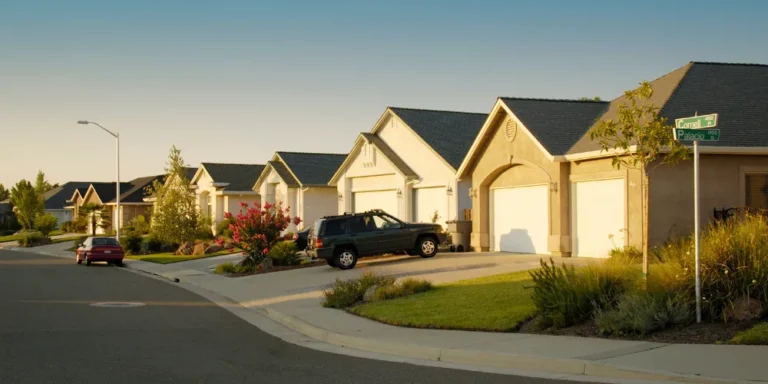
Exterior trim is one of the most important elements of a home’s appearance. It frames windows, doors, and corners, giving a finished look to the structure. Upgrading trim can significantly boost curb appeal, making a home more attractive to visitors and potential buyers. In the USA, homeowners are increasingly investing in exterior trim upgrades because it creates a strong first impression. Well-chosen trim can highlight architectural details and enhance the overall style of the house. Trim also protects siding edges from weather, reducing maintenance issues over time. It helps define the home’s character, whether modern, traditional, farmhouse, or contemporary. The right materials and colors can complement siding, roofing, and landscaping. Upgraded trim can make even an older home look refreshed and well-maintained. Simple changes, like repainting, can provide a big visual impact without high costs. More extensive upgrades, like installing decorative moldings or crown details, elevate the house’s style. Properly installed trim ensures durability, protecting the home from water damage and rot. Attention to detail, including corners and joints, creates a professional appearance. Trim upgrades also allow homeowners to express creativity, combining textures, shapes, and finishes. Exterior trim is a versatile tool in home improvement, enhancing aesthetics, functionality, and value. Planning the trim design carefully ensures it fits the home’s architectural style. Even small enhancements, like replacing window casings or adding corner boards, improve the exterior look. Upgraded trim, combined with landscaping and paint, maximizes overall curb appeal and creates a welcoming home.
What are the best ways to upgrade exterior trim for curb appeal?
Upgrading exterior trim can transform a home’s appearance quickly and effectively. The process involves choosing materials, colors, and styles that complement the house while enhancing durability. Proper installation ensures the trim lasts for years while boosting visual appeal.
1. Evaluate Existing Trim
Before upgrading, inspect your current trim. Look for signs of rot, peeling paint, cracks, or damage caused by weather. Take note of trim areas that are outdated or inconsistent with the home’s style. Measure trim dimensions to plan replacements or additions. Consider the overall architecture of your home when assessing which trim styles will suit it. Identify corners, window casings, door frames, and fascia boards that may need enhancement. Examine caulking and joints for gaps or deterioration. Determine if the current trim material is suitable for replacement or repair. Check for moisture damage in areas near downspouts or siding intersections. Look at color schemes and note what might be outdated or mismatched. Evaluate the visual impact of each trim area on curb appeal. Decide which trim elements can be refreshed with paint versus those requiring replacement. Inspect any decorative elements like crown moldings or corner blocks. Consider seasonal maintenance needs for each area. Assess how existing trim complements or conflicts with roofing and siding. Take photos to plan improvements and visualize design options. Identify potential problem areas that may require professional repair. Check alignment of trim for straight lines and symmetry. Understand the limitations of DIY versus professional installation for large upgrades. Finally, create a plan for prioritizing which trim areas will have the most impact.
2. Choose Durable Trim Materials
Selecting the right material ensures long-lasting performance. Wood is traditional, versatile, and easy to paint but may require regular maintenance. Composite materials, such as PVC or fiber cement, resist rot, insects, and warping. Vinyl trim is low-maintenance and weather-resistant, ideal for homeowners looking for minimal upkeep. Consider material weight and how it affects installation. Evaluate cost differences between wood, composite, and vinyl. Choose materials that can withstand local climate conditions, including heat, humidity, or freezing temperatures. Assess ease of painting or staining if a custom finish is desired. Look for smooth finishes to create a polished appearance. Ensure compatibility with existing siding and roofing. Consider how the material handles expansion and contraction due to temperature changes. Select materials with warranties for long-term peace of mind. Determine if the material allows for decorative shaping or molding. Check local suppliers for availability and pricing. Compare material longevity versus initial investment. Decide if eco-friendly or sustainable materials are preferred. Balance aesthetics with durability and maintenance requirements. Consider weight for upper-level trim installations. Ensure material thickness suits the home’s architectural proportions. Choose materials that are easy to cut and fit for precise installation. Finally, pick materials that enhance the overall curb appeal while meeting functional needs.
3. Refresh Trim with Paint or Stain
Painting or staining is a cost-effective way to upgrade trim. Choose colors that complement siding, doors, and roofing. White or neutral shades create classic contrast, while bold colors add modern flair. Proper surface preparation is essential—sand surfaces, remove old paint, and clean debris. Use a primer to ensure paint adheres well and lasts longer. High-quality exterior paint resists peeling, fading, and weather damage. Consider semi-gloss or satin finishes for a subtle shine. Staining wood highlights natural grain while protecting from moisture and UV rays. Apply multiple thin coats for a smooth, even finish. Protect surrounding areas with painter’s tape. Allow adequate drying time between coats for durability. Paint or stain all sides of trim boards to prevent water absorption. Repaint trim periodically to maintain a fresh appearance. Consider accent colors for window and door casings to add character. Choose colors consistent with the home’s overall palette. Highlight decorative moldings with contrasting colors for emphasis. Consider blending trim color with shutters or other exterior elements. Test small areas before full application to confirm color choice. Maintain clean brushes and rollers for smooth application. Finally, use paint or stain to give trim a polished, professional look that enhances curb appeal.
4. Add Decorative Moldings
Decorative moldings create a sophisticated, finished appearance. Crown molding, rosettes, and corner blocks add elegance and detail. Choose styles that match the home’s architectural era—traditional, craftsman, or modern. Install moldings around doors, windows, and along rooflines for visual interest. Layer multiple moldings for depth and dimension. Ensure accurate measuring and cutting to achieve clean joints. Use caulking to fill gaps and create seamless transitions. Paint or stain moldings to match or complement existing trim. Consider proportionality; moldings should enhance, not overpower, the home. Add baseboards and fascia details for a consistent look. Decorative moldings can elevate even modest homes by creating a high-end appearance. Combine moldings with shutters for added texture. Avoid excessive ornamentation in minimalist designs. Use quality materials that resist weathering. Test placement visually before permanent installation. Consider professional installation for complex designs. Maintain moldings with occasional cleaning and touch-up paint. Choose moldings that highlight key features like entryways or bay windows. Use symmetry to create a balanced, attractive façade. Moldings add timeless style while improving perceived value.
5. Replace Old Window and Door Casings
Updating casings modernizes the home’s exterior instantly. Measure existing windows and doors for precise replacements. Choose casings that match the architectural style of the house. Wider casings can create a bold statement, while slimmer options appear subtle and elegant. Material choices include wood, PVC, or composite. Paint or stain casings for a polished finish. Ensure proper sealing to prevent drafts and moisture penetration. Decorative trim on casings adds curb appeal and emphasizes entry points. Consistent style across windows and doors creates a cohesive look. Replace damaged or rotted casings to improve both appearance and function. Properly align casings for straight, clean lines. Consider layering casings with moldings for added detail. Highlight key entry points with accent colors. Check for easy maintenance and durability. Use weatherproof materials to withstand local climate conditions. Replace old caulking to enhance sealing. Visual symmetry improves balance and visual appeal. Ensure new casings complement siding and shutters. Maintain cleanliness and touch-up paint regularly. Updating casings refreshes the home’s exterior instantly while adding value.
6. Install Corner Boards
Corner boards protect and define the edges of your home while adding visual structure. Wide, contrasting corner boards create a strong architectural statement. Choose materials that resist moisture and weathering. Install boards with precise alignment to maintain straight edges. Paint or stain corner boards to complement siding and trim. Decorative corner boards can mimic classic or craftsman styles. Smooth boards with clean joints create a professional appearance. Consider the home’s proportions to avoid oversized or undersized corners. Layer corner boards with adjacent moldings for enhanced detail. Corner boards prevent siding from warping or separating. Ensure proper fastening to the structure for durability. Seal edges with caulking to block water penetration. Use durable materials like PVC, composite, or treated wood. Test visual impact with temporary placement before installation. Balance corner board width with trim thickness. Clean and maintain regularly to preserve appearance. Corner boards enhance both protection and style. They frame the home’s exterior, providing a polished finish. Even simple upgrades improve curb appeal dramatically.
7. Add Window Shutters or Accents
Shutters add depth, color, and visual interest to windows. Choose functional or decorative shutters depending on style. Match shutter color to trim, doors, or siding for cohesion. Consider material—wood, composite, or vinyl. Properly size shutters to proportionally fit windows. Install securely with weather-resistant fasteners. Paint or stain to match or contrast with trim for a striking effect. Decorative accents like corbels or shelf brackets can add charm. Pair shutters with window casings for a complete look. Consider louvered or paneled designs depending on architectural style. Coordinate style across all windows for consistency. Avoid overcrowding small windows with large shutters. Clean and maintain shutters regularly for lasting beauty. Highlight focal windows with unique accent colors. Shutters can be seasonal or permanent design elements. Combine with flower boxes or planters for added appeal. Accent features enhance depth and break monotony in flat siding. Ensure installation allows for water drainage and airflow. Well-chosen shutters instantly boost visual interest and curb appeal.
8. Upgrade Fascia and Soffits
Fascia and soffits protect roof edges and enhance the home’s finished look. Replace damaged or rotting fascia boards for safety and aesthetics. Use materials like wood, composite, or aluminum. Paint or stain to match trim or siding. Add decorative trim along fascia for architectural detail. Soffits can be vented to improve attic ventilation while adding a clean finish. Ensure proper alignment for uniform lines along roof edges. Consider contrasting colors for visual interest. Clean and maintain to prevent mold, rot, or insect damage. Upgrade fascia and soffits simultaneously for consistent appearance. Choose weather-resistant materials for long-term durability. Use precise measuring and cutting for straight installation. Layer decorative fascia with crown molding or trim for enhanced elegance. Check for gaps to prevent moisture and pest intrusion. Properly installed fascia and soffits increase longevity of roof structure. Highlight rooflines to enhance overall curb appeal. Integrate with gutter systems for seamless design. Even subtle upgrades create noticeable exterior improvement. Fascia and soffits contribute to both functionality and style.
9. Use Accent Colors for Impact
Color can dramatically improve curb appeal and highlight trim features. Choose colors that complement siding, roofing, and landscaping. Consider contrasting colors for bold, eye-catching trim. Subtle tones create a classic, cohesive look. Test small areas before full application to confirm color choice. Highlight key features such as windows, doors, and moldings. Use multiple trim colors for layered depth without overwhelming the home. Consider seasonal trends and long-term appeal. Paint all sides of trim boards for protection and uniformity. Maintain clean lines with painter’s tape and careful edging. Use high-quality exterior paint for durability against sun and weather. Coordinate with shutters, doors, and entryway accents. Accent colors draw attention to architectural details. Avoid overly bright or clashing colors. Layering complementary colors enhances style. Ensure color choices suit the neighborhood aesthetic. Refresh trim colors periodically for maximum effect. Consider interior trim coordination for harmonious design. Accent colors can elevate simple trim to premium curb appeal. Properly applied color enhances both style and value.
10. Maintain and Protect Trim
Regular maintenance ensures upgraded trim continues to enhance curb appeal. Inspect annually for peeling paint, cracks, or rot. Clean surfaces to remove dirt, mold, or mildew. Touch up paint or stain as needed to preserve color and finish. Re-caulk joints to prevent moisture intrusion. Check for insect damage and treat if necessary. Sand rough spots before repainting to ensure smooth surfaces. Apply weather-resistant sealants for long-lasting protection. Replace damaged or warped boards promptly. Keep gutters and downspouts clear to prevent water damage on trim. Trim surrounding vegetation to avoid moisture contact. Maintain consistency in appearance across all exterior elements. Inspect corners, window casings, and fascia regularly. Repair minor damage early to prevent costly repairs. Protect trim during harsh weather with temporary coverings if necessary. Use proper cleaning tools to avoid scratches. Store paint and stain for touch-ups. Monitor trim over time for fading or sun damage. Maintaining trim protects investment and ensures lasting curb appeal. Well-kept trim improves first impressions, enhances value, and keeps the home looking fresh.
Conclusion
Upgrading exterior trim is one of the most effective ways to boost curb appeal and improve the overall appearance of a home. Proper evaluation, selection of durable materials, and careful installation create a polished, professional look. Adding decorative moldings, corner boards, window casings, shutters, and accent colors enhances architectural details. Fascia and soffits should also be maintained and upgraded for visual consistency and protection against weather. Using quality materials, precise alignment, and finishing techniques ensures durability and longevity. Color choice plays a significant role in highlighting trim and creating visual impact. Well-maintained trim prevents water damage, rot, and insect issues, keeping the home in excellent condition. Upgrading trim adds both aesthetic and functional value, making homes more attractive to visitors and buyers. Maintaining and refreshing trim regularly ensures that the home continues to look stylish and inviting. Every detail, from crown moldings to window casings, contributes to overall curb appeal. Seasonal updates and accent color changes can provide fresh visual interest. Properly executed trim upgrades increase property value and improve energy efficiency by protecting siding edges. Homeowners in the USA increasingly prioritize trim improvements for their strong visual and long-term benefits. Investing in exterior trim upgrades transforms a home’s façade, creating a welcoming and impressive first impression. These upgrades are versatile, enhancing traditional, modern, or contemporary styles. Even minor improvements, like painting or replacing small boards, have a noticeable impact. Curb appeal is maximized when trim is integrated thoughtfully with siding, doors, shutters, and landscaping. Well-chosen and maintained exterior trim ensures the home looks cared for, stylish, and valuable for years to come.