What are the best ways to upgrade a patio for all-season use?
Upgrading a patio for all-season use is a popular goal for homeowners in the USA. An all-season patio extends the living space, providing comfort and usability year-round. With proper design, a patio can be enjoyed in summer heat, spring showers, fall breezes, and mild winter days. Enhancements include weatherproof materials, heating, cooling, and protective structures like pergolas or enclosures. Thoughtful upgrades increase home value and make outdoor entertaining more enjoyable. All-season patios create a space for relaxation, family gatherings, and social events regardless of weather. Durable materials ensure longevity and low maintenance over time. Lighting and electrical upgrades make the space functional during evenings and cloudy days. Furniture and decor choices influence comfort, style, and usability.
Shade solutions, such as retractable awnings or umbrellas, protect from sun and rain. Insulated roofs or patio covers provide protection from cold and precipitation. Flooring choices impact durability, slip resistance, and overall comfort. Proper drainage prevents water pooling and damage during rain. Heating options, such as outdoor fireplaces, fire pits, or infrared heaters, extend usability in cooler months. Cooling features like fans or misting systems improve summer comfort. Glass or screen enclosures provide wind protection while maintaining openness. Landscaping elements enhance aesthetics and provide natural shelter. Step-by-step planning ensures every element works together for year-round enjoyment. Overall, an all-season patio is an investment in lifestyle, functionality, and long-term home value.
what are the best ways to upgrade a patio for all-season use?
Upgrading a patio for year-round use involves integrating protection from weather, comfort features, and durable materials. Here are ten key strategies to create a functional and inviting all-season patio.
1. Adding a Covered Roof or Pergola
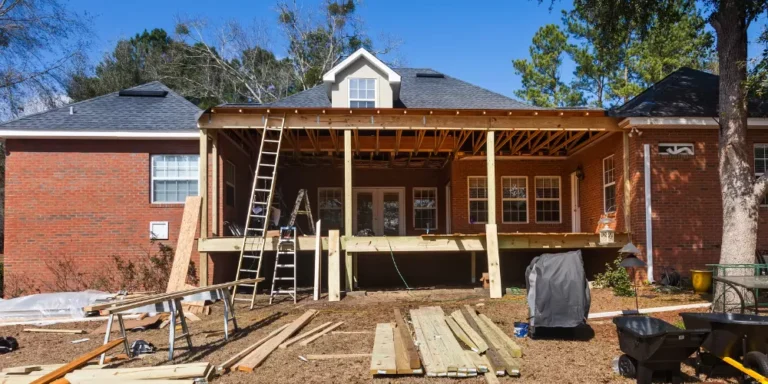
A roof or pergola protects the patio from rain, snow, and direct sunlight. Solid roofs offer complete weather protection, while pergolas provide partial shade and air circulation. Materials like metal, wood, or composite are durable and low-maintenance. Roofing options include insulated panels, polycarbonate sheets, or retractable awnings. A well-designed roof allows natural light while preventing water damage. Overhangs protect furniture and flooring from moisture. Pergolas can be enhanced with retractable canopies for flexibility. Proper structural support ensures safety in all weather conditions. Integration with existing architecture maintains visual appeal. A roof or pergola extends the usability of the patio regardless of season. Selecting appropriate materials enhances durability and reduces long-term maintenance. Proper installation prevents leaks and ensures longevity. Roof design should complement outdoor aesthetics and interior views.
2. Installing Patio Heaters or Fire Features
Heating extends patio comfort into cooler months. Options include infrared heaters, gas or electric patio heaters, or traditional fireplaces. Fire pits provide warmth and create a focal point for gatherings. Built-in or portable heating solutions offer flexibility. Position heaters to distribute warmth evenly across seating areas. Ensure proper ventilation and follow safety regulations. Energy-efficient options reduce utility costs while maintaining comfort. Combining heating with covered spaces maximizes effectiveness. Choose weather-resistant heating equipment for durability. Outdoor fireplaces or fire tables add ambiance and style. Safety precautions, like screens or barriers, prevent accidents. Heating solutions allow use during fall, winter, and early spring. Regular maintenance ensures safe and efficient operation. Heating features increase property value and functionality. Planning heating layout ensures a cozy and inviting environment.
3. Using Durable, Weather-Resistant Flooring
Flooring affects comfort, safety, and longevity. Materials like stone, concrete, porcelain tiles, or composite decking resist moisture, freezing, and sun damage. Slip-resistant finishes prevent accidents during wet or icy conditions. Proper installation ensures even surfaces and prevents water pooling. Heated flooring options provide additional comfort in colder months. Flooring should complement patio design and outdoor aesthetics. Consider low-maintenance options for easier cleaning. Durable flooring withstands heavy furniture and foot traffic. Color and texture choices affect visual appeal and slip safety. Proper drainage under flooring prevents frost damage and warping. Choose materials resistant to UV rays, moisture, and temperature fluctuations. Coordinating flooring with furniture and landscaping creates a cohesive look. Installation should allow for seasonal expansion and contraction. Maintenance-friendly surfaces ensure long-term usability. Flooring upgrades improve safety, durability, and style for year-round use.
4. Adding Retractable or Fixed Enclosures
Enclosures protect the patio from wind, rain, and insects. Retractable screens or glass panels provide flexibility for open-air enjoyment or full protection. Fixed enclosures offer permanent shelter with insulation options for colder months. Materials include tempered glass, acrylic, or aluminum frames. Proper sealing prevents drafts and water intrusion. Enclosures allow comfortable use in varying weather conditions. Screened options keep insects out while maintaining airflow. Glass panels can be clear or tinted for privacy and sun protection. Enclosures can be designed to blend seamlessly with home architecture. Consider sliding or folding mechanisms for easy operation. Insulated panels improve energy efficiency for heated patios. Enclosures also protect furniture, flooring, and decor from weather damage. Professional installation ensures stability and safety. Enclosed patios increase usability and versatility in all seasons.
5. Installing Shade Solutions
Shade is critical for summer comfort. Retractable awnings, umbrellas, or pergola canopies block direct sunlight. Adjustable options allow control over sunlight and ventilation. UV-resistant fabrics protect users and furniture from harmful rays. Shade structures reduce heat buildup and prevent fading of flooring and furniture. Position shade elements to align with sun patterns for optimal effectiveness. Combine shading with ceiling fans for additional cooling. Durable frames and fabrics withstand wind and rain. Shade solutions enhance aesthetics while improving comfort. Incorporate colors or patterns that complement outdoor decor. Proper anchoring ensures safety in strong winds. Shade installations reduce reliance on mechanical cooling. Planning sun protection improves usability and energy efficiency. Thoughtful shade design maintains openness while protecting from harsh sunlight.
6. Adding Ceiling Fans or Misting Systems
Fans or misting systems improve airflow and cooling during hot months. Ceiling fans circulate air and reduce heat discomfort. Misting systems lower ambient temperature through evaporative cooling. Both options enhance summer usability and prevent stagnation in covered patios. Fans can be integrated into pergolas, roofs, or ceiling structures. Choose weather-resistant fans and misting equipment for durability. Adjustable speed and mist control allow personalized comfort. Strategic placement ensures even cooling across seating areas. Fans complement shade structures and reduce reliance on air conditioning. Misting systems are energy-efficient and effective for arid climates. Proper installation ensures safety and easy maintenance. Cooling features enhance outdoor comfort during peak summer months. Planning airflow and mist patterns maximizes efficiency. Fans and misting systems support all-season usability.
7. Incorporating Outdoor Furniture and Storage
Furniture selection impacts comfort, durability, and style. Choose weather-resistant materials like teak, aluminum, or synthetic wicker. Cushions should have waterproof or quick-dry fabrics. Include storage solutions for cushions, blankets, or seasonal decor. Built-in benches or storage boxes maximize space. Ensure furniture layout allows movement and easy access. Stackable or foldable furniture adds flexibility for different uses. Proper selection reduces maintenance and extends lifespan. Comfortable seating encourages year-round use. Storage solutions protect furniture from weather and keep the patio organized. Integrate furniture with patio heating, shade, and lighting for functionality. Select pieces that complement outdoor aesthetics and color palette. Consider multi-functional furniture for small patios. Durable, stylish, and functional furniture enhances all-season enjoyment.
8. Installing Weatherproof Lighting
Lighting extends patio usability into evenings and low-light conditions. Use LED strips, recessed lights, lanterns, or string lights rated for outdoor use. Layered lighting creates ambiance and highlights features like seating, plants, or decor. Motion sensors or timers improve energy efficiency. Consider dimmable lighting for flexible atmosphere settings. Position lights to minimize glare and shadows. Waterproof and corrosion-resistant fixtures withstand seasonal changes. Solar-powered lights reduce energy costs and simplify installation. Highlight architectural or landscape elements for added appeal. Proper lighting enhances safety by illuminating pathways and stairs. Integrate lighting with heating and shade solutions for cohesive design. Smart lighting options provide remote control and automation. Effective outdoor lighting increases functionality and aesthetic appeal.
9. Adding Landscaping and Natural Buffers
Landscaping improves comfort, aesthetics, and protection. Trees, shrubs, and tall plants provide windbreaks, shade, and visual privacy. Plan plant placement to avoid obstructing traffic or sunlight. Evergreen plants provide year-round shelter. Potted plants or vertical gardens allow flexible arrangements. Landscaping complements patio design and materials. Natural buffers reduce exposure to wind, rain, and snow. Incorporate elements like rocks, trellises, or garden screens for protection and style. Plants can also contribute to cooling through evapotranspiration. Proper maintenance ensures year-round greenery. Landscaping integrates the patio with the surrounding outdoor environment. Thoughtful plant selection enhances beauty, privacy, and seasonal comfort. Natural buffers make patios more enjoyable regardless of weather.
10. Planning for Maintenance and Durability
All-season patios require planning for long-term maintenance. Choose materials and finishes that resist moisture, UV, and temperature changes. Ensure drainage systems prevent water pooling and damage. Select low-maintenance furniture and fabrics. Schedule regular inspections for roof, fans, heaters, and lighting. Weatherproof coatings and sealants extend lifespan. Proper installation of all features ensures safety and longevity. Easy-to-clean surfaces simplify upkeep. Protect heating and cooling equipment during off-season storage. Planning for maintenance reduces unexpected repairs and costs. Consider accessibility for cleaning and minor adjustments. Durable, weather-resistant design ensures enjoyment throughout the year. Thoughtful maintenance planning supports functionality, aesthetics, and investment value. Consistent care keeps the patio inviting in all seasons.
Conclusion
Upgrading a patio for all-season use enhances comfort, functionality, and home value across the USA. Adding a roof or pergola protects against rain, snow, and sun. Heating solutions like fireplaces or heaters extend usability into cooler months. Durable, weather-resistant flooring ensures safety and longevity. Retractable or fixed enclosures provide protection from wind, rain, and insects. Shade solutions reduce heat and UV exposure during summer. Ceiling fans and misting systems improve cooling and air circulation. Selecting outdoor furniture and storage balances comfort, durability, and style. Weatherproof lighting extends usability into evenings and low-light conditions. Landscaping and natural buffers provide shade, wind protection, and visual appeal. Maintenance planning ensures long-term performance and reduces repair costs. A well-planned patio accommodates seasonal changes seamlessly. Integration of heating, cooling, and shade maximizes year-round enjoyment. Proper design ensures harmony with home architecture and landscape. Step-by-step upgrades improve usability, safety, and aesthetics. Thoughtful material and fixture choices reduce maintenance and increase durability. Strategic layout enhances movement, accessibility, and comfort. Combining function with style creates an inviting outdoor living area. An all-season patio encourages relaxation, entertainment, and family gatherings. Overall, investing in an all-season patio transforms outdoor living into a versatile and enjoyable space throughout the year.