How do I plan for overhangs and shading in sunny climates?
Overhangs and shading are essential design elements for homes in sunny climates. They protect interiors from harsh sunlight, reduce energy costs, and improve comfort. In the USA, regions like the Southwest, Florida, and California experience intense sun, making shading a priority. Properly designed overhangs prevent fading of furniture and flooring caused by UV rays. They also reduce heat gain, which lowers air conditioning use and energy bills. Shading devices, such as pergolas, awnings, or louvers, contribute to both function and aesthetics. Effective design considers the sun’s path across different seasons. Orientation of windows, doors, and outdoor spaces influences the shading strategy.
Materials used for overhangs affect durability, maintenance, and appearance. Integrating shading with architectural style enhances curb appeal. Landscaping, such as trees or trellises, can complement structural overhangs. Solar panels may be incorporated into overhangs to generate energy while providing shade. Adjustable or retractable shading adds flexibility for changing sunlight conditions. Proper planning ensures indoor comfort without sacrificing natural light. Overhangs and shading help prevent glare and maintain consistent interior lighting. They also protect outdoor living spaces like patios and decks. In sunny climates, shading improves energy efficiency and contributes to sustainable living. Choosing the right angles, depth, and materials maximizes shading effectiveness. Overall, overhangs and shading combine practical benefits with visual appeal, creating a comfortable, energy-efficient home environment.
How do I plan for overhangs and shading in sunny climates?
Planning overhangs and shading in sunny climates requires careful consideration of sun angles, building orientation, and material choices. Proper design ensures energy efficiency, comfort, and aesthetic appeal. Here are ten key considerations for planning effective shading solutions.
1. Analyzing Sun Path and Angles
Understanding the sun’s path throughout the year is critical. Use solar charts or online tools to track seasonal sun angles. Identify areas of the home that receive direct sunlight during summer and winter. Determine which windows and outdoor spaces need maximum protection. Consider east- and west-facing windows that receive low-angle sunlight. Measure potential shading impact for mornings, afternoons, and evenings. This analysis guides the depth and placement of overhangs. Accurate sun path evaluation reduces overheating and glare. It helps in designing overhangs that block summer sun but allow winter warmth. Sun angle analysis is essential for efficient, effective shading. Proper orientation planning ensures comfort and energy savings.
2. Determining Overhang Depth
The depth of overhangs affects how much sunlight is blocked. Longer overhangs provide more shade but may reduce natural light in winter. Shallow overhangs offer partial protection and may require supplemental shading devices. Calculate overhang length based on window height, latitude, and desired shading duration. Consider seasonal sun angles when determining depth. Adjustable overhangs can optimize shading throughout the year. Proper depth balances sun protection with daylight access. Deep overhangs protect interiors and reduce cooling costs. Incorrect depth may cause overheating or insufficient light. Careful calculation ensures optimal functionality and comfort. Overhang depth should complement the home’s architectural proportions. Proper depth enhances both energy efficiency and visual appeal.
3. Considering Window Orientation
The orientation of windows determines shading needs. South-facing windows benefit from horizontal overhangs to block high summer sun. East- and west-facing windows may require vertical fins or louvers to block low-angle sunlight. North-facing windows typically need minimal shading in the northern hemisphere. Window orientation affects indoor temperature and glare. Proper planning reduces energy costs and improves comfort. Adjust shading devices based on room usage and furniture placement. Orientation impacts how natural light penetrates interiors. Correctly oriented overhangs maximize daylight while minimizing heat gain. Orientation-aware design enhances energy efficiency and interior livability.
4. Selecting Shading Materials
Materials impact durability, maintenance, and aesthetics. Wood offers a natural, warm look but requires periodic sealing. Metal, such as aluminum or steel, provides strength and minimal maintenance. Composite materials resist moisture, rot, and UV damage. Fabric awnings offer flexibility and color options but may wear faster. Transparent or translucent panels allow filtered light while reducing glare. Material choice affects weight, installation, and cost. Proper selection ensures long-lasting performance in harsh sun. Materials should withstand local climate conditions, including wind and rain. Durable materials reduce future repair and replacement needs. The right materials balance function, cost, and appearance. Material selection influences both shading effectiveness and home aesthetics.
5. Integrating Adjustable Shading
Adjustable shading allows flexibility for different times of day and seasons. Retractable awnings can be extended during summer and retracted in winter. Louvered panels can be tilted to control sunlight and airflow. Motorized options offer convenience and precision. Adjustable shading accommodates changing sun angles and personal preferences. It enhances comfort and prevents over- or under-shading. Flexible solutions reduce energy consumption by controlling heat gain. Adjustable shading supports both indoor and outdoor activities. Proper integration improves usability and aesthetics. Adjustable features allow optimal natural light without sacrificing comfort. Controlled shading enhances energy efficiency and versatility.
6. Planning for Outdoor Spaces
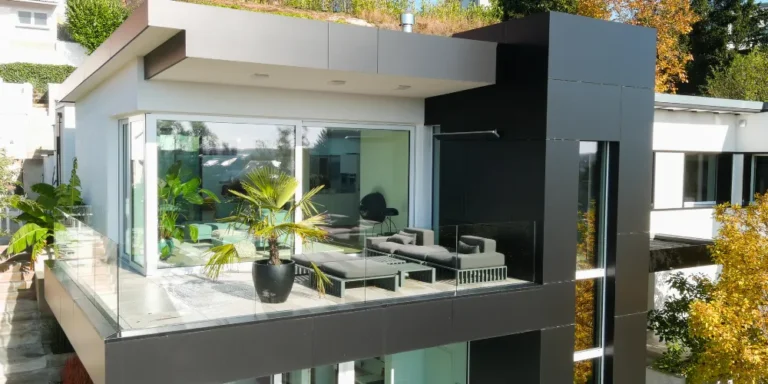
Overhangs and shading extend to patios, decks, and balconies. Covered outdoor areas remain usable during peak sun hours. Pergolas or cantilevered structures provide protection and architectural interest. Consider airflow and ventilation to prevent heat buildup. Shading for outdoor kitchens or seating improves comfort. Integration with landscaping enhances the overall design. Durable outdoor materials ensure long-term performance. Proper design prevents glare, hot spots, and fading of furniture. Overhangs contribute to usable outdoor living space year-round. Shading solutions for outdoor areas improve property value. Outdoor planning complements interior comfort and aesthetics. Well-designed overhangs protect outdoor investments.
7. Using Landscaping for Shading
Trees, shrubs, and vines can supplement structural shading. Deciduous trees block summer sun and allow winter light. Climbing plants on trellises create natural shade and improve curb appeal. Landscaping provides cooling benefits through evapotranspiration. Greenery reduces reflected heat from walls and pavement. Plan plant placement to avoid obstructing views or windows. Combine structural and natural shading for maximum effectiveness. Proper landscaping enhances comfort and energy efficiency. Living shade solutions reduce reliance on mechanical cooling. Landscaping adds aesthetic and environmental benefits. Green shading creates a sustainable and visually appealing environment.
8. Considering Energy Efficiency
Proper shading reduces cooling loads and energy bills. Blocking direct sunlight lowers indoor temperatures and reduces AC usage. Energy-efficient overhangs support passive solar design principles. Use reflective or light-colored surfaces on overhangs to minimize heat absorption. Consider integration with solar panels for dual function. Shading contributes to LEED or energy star-certified home designs. Efficient design reduces overall carbon footprint. Energy efficiency should balance comfort and natural light. Overhangs complement insulation and ventilation strategies. Thoughtful design minimizes reliance on mechanical cooling. Shading enhances both sustainability and cost savings. Energy-conscious planning benefits homeowners and the environment.
9. Ensuring Durability and Maintenance
Overhangs must withstand sun, wind, and rain over time. Choose materials resistant to UV, corrosion, and moisture. Proper sealing or painting extends lifespan. Regular inspection prevents damage from pests or weathering. Design for easy cleaning and minor repairs. Durable construction reduces long-term maintenance costs. Maintenance planning ensures safety and structural integrity. Fasteners and supports should be corrosion-resistant. Proper drainage prevents water accumulation and damage. Longevity planning protects both investment and aesthetics. Low-maintenance designs save time and reduce ongoing expenses. Durable shading improves reliability and homeowner satisfaction.
10. Budgeting and Professional Assistance
Plan a realistic budget for materials, installation, and maintenance. Costs vary depending on overhang size, materials, and complexity. DIY installation may save money but may be limited for large structures. Hiring professionals ensures precise installation and safety compliance. Include optional features such as adjustable panels or integrated lighting. Compare quotes from multiple contractors to ensure value. Consider long-term savings from energy efficiency in budgeting. Professional guidance ensures structural integrity and effective shading. Budget planning prevents compromises on quality or function. Balanced budgeting ensures effective, durable, and visually pleasing overhangs. Proper planning maximizes investment and energy efficiency.
Conclusion
Planning overhangs and shading in sunny climates enhances comfort, energy efficiency, and home aesthetics across the USA. Understanding the sun’s path guides depth and placement decisions. Determining optimal overhang depth balances sunlight control and natural light. Window orientation influences shading strategy and indoor comfort. Selecting durable and suitable materials ensures longevity and minimal maintenance. Adjustable shading adds flexibility for seasonal and daily sun variations. Planning for outdoor spaces extends usability of patios, decks, and balconies. Landscaping can supplement structural shading, providing cooling and aesthetic benefits. Energy efficiency is enhanced through reduced heat gain and lower cooling costs. Durability and maintenance planning prevent future damage and preserve investment. Proper budgeting ensures high-quality materials and professional installation when needed. Integrated overhangs and shading protect interiors, outdoor areas, and furniture from UV damage. Thoughtful design improves indoor lighting, reduces glare, and enhances comfort. Sustainable practices, such as combining shading with solar panels, reduce environmental impact. Regular inspection and upkeep maintain structural integrity. Overhangs contribute to both visual appeal and functional performance. Strategic planning balances cost, energy efficiency, and usability. Well-designed shading improves the home environment and quality of life. Step-by-step planning ensures effective results and long-term satisfaction. Implementing overhangs and shading is a smart investment for comfort, efficiency, and beauty.