What are the best ways to upgrade a home entry pivot door?
The home entryway is the first impression guests have of a house. In the USA, homeowners increasingly invest in entry door upgrades to enhance both style and security. Pivot doors are a modern alternative to traditional hinged doors, offering a sleek and dramatic look. They rotate on a pivot hinge, creating a wide, unobstructed entryway. Upgrading a pivot door improves curb appeal and adds a sense of luxury to the home. The right design, materials, and hardware make a pivot door both functional and visually striking. Energy efficiency is an important consideration, as high-quality doors help regulate indoor temperature. Security features like reinforced frames and locks provide peace of mind.
Pivot doors can be customized in size, finish, and style to match any architectural design. Modern pivot doors often incorporate glass panels for natural light without sacrificing privacy. Maintenance is generally low, especially with durable materials like steel or fiberglass. Homeowners can also choose wood for a classic, warm aesthetic, treated to resist warping and weather. Door finishes can be painted, stained, or left natural to enhance the home’s exterior. Hardware selection, including handles, hinges, and locks, contributes to both style and security.
Smart home integration allows pivot doors to include electronic locks and automation. Proper installation ensures smooth operation and long-term durability. Some designs feature double or oversized pivot doors for grand entrances. Entryway lighting complements the pivot door, enhancing its visual impact. Upgrading a pivot door increases home value and makes the entryway more welcoming. Careful selection and design result in a door that is both practical and a statement piece.
what are the best ways to upgrade a home entry pivot door?
Upgrading a home entry pivot door requires balancing style, functionality, and security. The goal is to enhance curb appeal, improve performance, and ensure the door complements the overall architecture. Here are ten essential considerations for upgrading a pivot door effectively.
1. Choosing the Right Materials
Selecting the proper material is the first step in upgrading a pivot door. Solid wood offers a classic, warm appearance but requires treatment against moisture and insects. Steel is highly durable, low maintenance, and adds modern elegance. Fiberglass combines strength with flexibility and is resistant to weathering. Aluminum is lightweight, corrosion-resistant, and ideal for contemporary designs. Consider engineered wood for a balance of stability and aesthetics. High-quality materials improve energy efficiency and security. The material should support the size and weight of the pivot door. Finishes like stain, paint, or powder coating enhance durability. Material choice also influences the door’s maintenance needs. Selecting the right material ensures long-term performance and enhances home value. Properly chosen materials contribute to both beauty and functionality.
2. Updating Pivot Door Hardware
Upgrading hinges, handles, and locks enhances both style and operation. Heavy-duty pivot hinges ensure smooth rotation and support larger doors. Modern handles, from minimalist bars to ornate pulls, can complement the architectural style. Locks should be secure, easy to use, and compatible with smart systems. Consider multi-point locking systems for added security. Soft-close or dampened hinges reduce noise and improve longevity. Matching hardware finishes with the door frame and exterior trim creates visual cohesion. Check the weight capacity of hardware to prevent sagging. Proper alignment of pivot points ensures smooth operation. High-quality hardware reduces maintenance and extends door life. Thoughtful hardware selection balances aesthetics, security, and functionality.
3. Adding Glass Panels or Inserts
Glass elements enhance natural light and create visual interest in a pivot door. Frosted or tinted glass maintains privacy while allowing light entry. Tempered or laminated glass improves safety and durability. Large glass panels create a modern, open feel. Decorative glass, like etched or patterned designs, adds unique character. Double-glass or insulated panels improve energy efficiency. Positioning glass carefully avoids glare and excessive heat gain. Ensure glass integration maintains structural stability. Use high-quality seals to prevent leaks and drafts. Glass panels can be combined with wood or metal for a mixed-material look. Proper glass selection enhances aesthetics without compromising functionality. Well-integrated glass elevates the overall entrance design.
4. Enhancing Security Features
Security is critical when upgrading a pivot door. Reinforced frames and hinges prevent forced entry. High-quality locks, including smart lock systems, provide convenience and protection. Consider adding a door viewer or integrated camera. Multi-point locking systems increase resistance to break-ins. Solid-core doors reduce vulnerability. Security features should blend seamlessly with design aesthetics. Use tamper-proof hardware and screws for added protection. Align pivot points and frames precisely for strength. Regularly inspect seals and weatherstripping to prevent tampering. Security-focused upgrades offer peace of mind while maintaining style. Properly designed security features protect both property and occupants.
5. Improving Insulation and Energy Efficiency
Modern pivot doors can improve home energy performance. Choose materials with high thermal resistance. Insulated glass panels prevent heat loss in winter and heat gain in summer. Properly sealed frames eliminate drafts. Weatherstripping reduces energy waste and increases comfort. Consider adding threshold seals at the bottom of the door. Energy-efficient doors lower utility bills and improve indoor comfort. Materials and finishes should be resistant to temperature fluctuations. Plan for ventilation while maintaining tight seals. Smart door features can monitor energy efficiency. Upgraded insulation ensures the door is both functional and sustainable. Energy-efficient design benefits the home environmentally and financially.
6. Refinishing or Repainting the Door
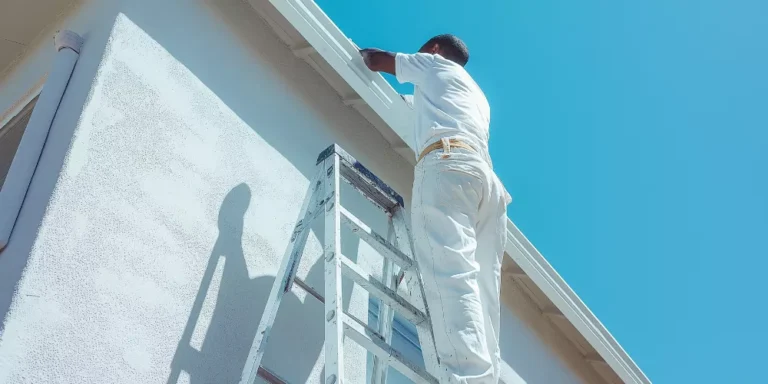
A fresh finish dramatically enhances curb appeal. Sanding and repainting restores a worn wooden door to its original beauty. Use exterior-grade paints or stains for weather protection. Powder-coated finishes on metal doors improve longevity and color retention. Color selection should complement the home’s exterior palette. Glossy finishes add a modern feel, while matte finishes create a sophisticated look. Protective coatings prevent UV damage and fading. Repainting also allows for customization to match seasonal or personal preferences. Regular maintenance preserves aesthetics and prevents deterioration. Finishing touches make the door appear new and well-maintained. Proper refinishing improves both appearance and durability.
7. Installing Lighting Around the Door
Lighting highlights the pivot door and improves safety. Wall-mounted sconces, overhead lights, or recessed lighting can frame the entrance. Motion-sensor lights increase security while providing convenience. Warm-toned lights create a welcoming ambiance. LED fixtures offer energy efficiency and long-lasting performance. Consider uplighting to emphasize architectural details. Placement should avoid glare while enhancing visibility. Integrated lighting in the door frame adds a modern touch. Exterior lighting complements landscaping and overall curb appeal. Proper lighting enhances both functionality and aesthetics. A well-lit entrance makes the home feel safe and inviting.
8. Weatherproofing the Door
Weatherproofing ensures long-term performance. Install durable seals to prevent water and air infiltration. Thresholds should be high-quality to block drafts and moisture. Weather-resistant finishes protect materials from rain, snow, and sun exposure. Check pivot points and frames for corrosion resistance. Adequate overhangs or canopies reduce direct weather impact. Properly weatherproofed doors maintain energy efficiency. Inspect seals regularly for wear and replace when needed. Use corrosion-resistant hardware to extend life. Weatherproofing reduces maintenance and preserves aesthetics. Well-planned protection ensures the door functions well in all climates.
9. Integrating Smart Home Features
Smart pivot doors combine technology and convenience. Keyless entry, fingerprint access, or remote-controlled locks enhance security. Door sensors can monitor opening and closing status. Integration with home automation systems allows lighting and security control. Some systems provide alerts for tampering or forced entry. Smart features improve accessibility and daily convenience. Ensure the door hardware is compatible with digital devices. Batteries or power supplies should be easy to access and maintain. Connectivity with smartphone apps provides monitoring from anywhere. Smart upgrades increase property value and modernize the entrance. Proper integration enhances both functionality and lifestyle.
10. Landscaping and Exterior Design Considerations
The pivot door should harmonize with exterior landscaping and architecture. Pathways, planters, and entryway decor enhance visual appeal. Symmetrical designs create a balanced look, while asymmetry can be modern and dynamic. Door finishes should complement surrounding siding or brick. Exterior textures and colors influence the perceived size and prominence of the door. Lighting and landscaping work together to highlight architectural features. Seasonal decorations can be added without obstructing the door. Front porch or steps should coordinate with door style and materials. Proper landscaping elevates the overall entrance experience. A cohesive design enhances both aesthetics and functionality.
Conclusion
Upgrading a home entry pivot door transforms both the functionality and appearance of the front entrance. Choosing the right materials ensures durability, style, and low maintenance. High-quality hardware supports smooth operation and enhances security. Glass panels or inserts improve aesthetics while allowing natural light. Reinforced frames and locks protect the home from intrusion. Insulation and weatherproofing contribute to energy efficiency and comfort. Repainting or refinishing restores beauty and adds a modern touch. Proper exterior lighting improves safety and highlights the door’s design. Smart home integration adds convenience, accessibility, and security. Landscaping and exterior design complement the door, creating a welcoming entrance. Careful planning ensures the pivot door fits the architectural style of the home. Functional design accommodates both daily use and aesthetic appeal. Energy-efficient upgrades reduce utility costs and environmental impact. Durable materials withstand weather extremes and frequent use. Maintenance planning prolongs the door’s life and performance. Thoughtful selection of color, texture, and hardware enhances curb appeal. Safety measures, such as reinforced hinges and locks, provide peace of mind. Lighting and smart features create a modern, inviting environment. Overall, a well-designed pivot door adds value, elegance, and functionality to a home. Homeowners in the USA increasingly prioritize pivot doors as a statement feature that combines security, beauty, and practicality. A strategic upgrade creates a front entrance that is stylish, durable, and welcoming.