
How can I design a multipurpose guest/office room?
Designing a multipurpose room in a home is now more common in the USA because many people want spaces that can do more than one job. A room that works as both a guest bedroom and an office can save space, make a home feel more organized, and give people the freedom to use one area in many ways. Homeowners with small or medium-sized houses often look for smart design ideas that allow a single room to stay comfortable for visitors while still helping them work, study, or manage daily tasks. With careful planning, the room can look clean, feel calm, and stay functional all year long.
This kind of design is helpful for remote workers, students, or anyone who hosts friends or family from time to time. It also reduces clutter because each part of the room has a clear purpose, whether it is for resting or working. Many American homes also focus on flexible furniture, hidden storage options, and soft lighting to make the room easy to change at any moment.
The idea is to create a space that does not feel crowded or confusing. Instead, it should feel balanced, welcoming, and useful. When people walk inside, they should be able to understand the layout easily and move around without difficulty. Comfort is important, but so is productivity. The design should support both needs without one affecting the other.
A multipurpose guest/office room gives homeowners the chance to customize every detail—from the wall color and lighting to the furniture arrangement and storage choices. With the right setup, this room becomes one of the most valuable spaces in a home, offering beauty, flexibility, and long-term practicality.
How can I design a multipurpose guest/office room?
A multipurpose guest/office room should be comfortable, clean, and flexible. It needs the right furniture, lighting, and layout to support both work and rest. With simple planning, you can create a space that feels open for guests yet structured enough for office use. Below are important design steps that help you build a room that works well every day.
1. Choose a Flexible Room Layout
A flexible layout is the heart of a multipurpose guest/office room because it allows the space to shift from work mode to guest mode without stress or crowding. Start by observing the room’s natural shape and the placement of windows, doors, and electrical outlets. The workspace should be positioned where natural light reaches easily, while the guest area should feel private and cozy. Avoid blocking pathways or creating tight corners, because limited movement makes the room feel small. Consider floating furniture arrangements instead of placing everything against the walls. This creates a balanced look and makes the room feel larger.
Use lightweight furniture that can be moved easily when needed. For example, a rolling desk or portable side table lets you change the setup quickly. Keep open floor space in the center of the room so guests feel comfortable and not boxed in. Try to imagine how the room will be used at different times of the year. Sometimes it will be a work zone during weekdays and a sleeping space on weekends. The layout should allow both scenarios without a full rearrangement.
A good layout also prevents clutter. When items have clear positions, the room stays clean. In many American homes, homeowners choose a corner for the desk and another corner for seating or a bed. This creates zones that help the brain switch between relaxing and working. With a flexible layout, your multipurpose room remains functional, calm, and inviting for all needs.
2. Use a Wall Bed or Sleeper Sofa
A wall bed or sleeper sofa is one of the best solutions for saving space in a multipurpose guest/office room. During the day, the bed stays hidden or folded, giving you plenty of floor room for working. At night or when guests visit, you can pull it down or open it within minutes. These furniture pieces are popular in many USA homes because they make small rooms feel larger. A wall bed stays flat against the wall when not in use, freeing up space for a desk, chair, storage, or even a small reading nook.
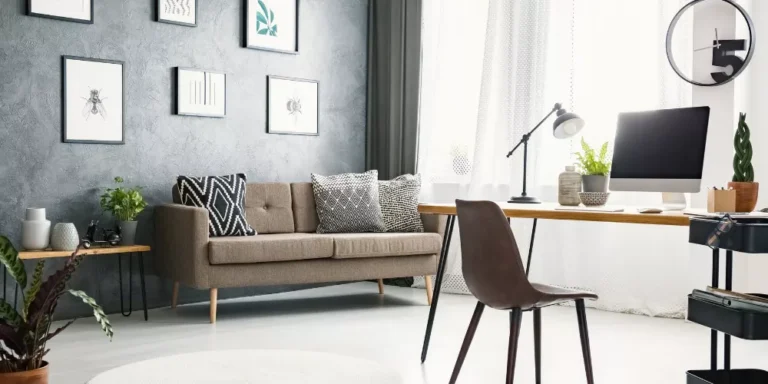
Sleeper sofas offer extra seating, which is helpful for office calls, reading, or relaxing. They also provide a comfortable sleeping surface for guests. Make sure to choose a model with a strong frame and a cushioned mattress so visitors can rest well. A neutral-colored sofa or bed blends easily with most interior styles and prevents the room from feeling too busy.
When installing a wall bed, ensure the wall structure is strong and the mechanism is easy to lift. If you prefer a sleeper sofa, measure carefully so it fits the room without blocking doors or windows. The key is choosing a design that is simple, durable, and practical. With the right bed solution, your room becomes both relaxing and spacious.
3. Create a Comfortable Work Zone
A dedicated workspace helps keep focus and prevents the room from feeling messy. Start with a sturdy desk that is not too large for the room but still offers enough surface area for your daily tasks. Choose a chair that provides good back support, especially if you spend many hours working. Many American households choose ergonomic chairs to improve comfort.
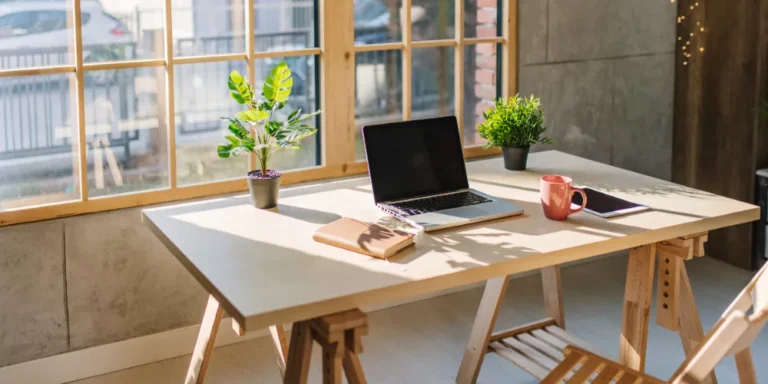
Place your desk near a window for natural light, which helps reduce eye strain and keeps the workspace lively. Use a desk lamp for darker hours, ensuring the light is soft and warm. Avoid overcrowding the desk with decorations. A clean, simple surface increases productivity.
Keep essential items like pens, notebooks, and chargers within reach using drawer organizers or small containers. A small corkboard or whiteboard on the wall can help with reminders. Try to maintain a clear boundary between work and rest by keeping the workspace tidy at the end of each day. This small habit helps the room remain peaceful for both guests and work.
4. Include Storage for Both Uses
Storage is essential for keeping a multipurpose room organized. Choose storage furniture that blends with the room and supports both guest and office needs. Shelves, cabinets, or built-in units help keep the space clean. For office supplies, use desk drawers, boxes, or baskets so items stay hidden when guests arrive.
For guest items, add a small wardrobe, a dresser, or shelves where visitors can place their belongings. You can also keep extra blankets, pillows, and towels neatly stored in baskets. Multi-functional storage—such as ottomans with compartments—is very useful. They offer seating, storage, and a clean appearance.
Try to keep storage vertical rather than horizontal to save floor space. Tall shelves make the room look bigger and offer more storage options. Label boxes or keep items grouped together for easier access. Good storage ensures your room stays orderly and welcoming throughout the year.
5. Select Neutral and Calming Colors
The colors you choose set the mood of the room. Neutral tones like beige, gray, soft white, or light taupe help the room feel clean and spacious. These colors also work well for both office and guest use. Bright or bold colors might distract you during work or overwhelm guests, so keep the palette soft and simple.
You can add small color accents through pillows, artwork, or plants. These items bring life to the room without overpowering the calm base. Wall colors should make the space feel warm and peaceful. Many American homes use warm white walls to create a modern and flexible look.
Good colors also help you think clearly. A soft environment supports focus and relaxation at the same time. Try to avoid too many patterns on the walls or furniture because this can make the room feel busy. The goal is to create a visual balance that makes the room adaptable for any purpose.
6. Use Good Lighting for Both Purposes
Lighting plays an important role in a multipurpose room. It affects mood, focus, and overall comfort. Use a mix of lighting types to create the right atmosphere. A ceiling light helps brighten the whole room, while desk lamps or floor lamps offer focused lighting.
Choose warm lighting for nighttime because it creates a cozy feeling for guests. During the day, let natural light flow into the room by using sheer curtains or blinds. This makes the workspace feel more open and refreshing. Avoid harsh or very bright lights near the bed area, because they can disturb sleep.
Layered lighting helps the room change depending on how you use it. When working, use task lighting to help you see clearly. When guests are present, switch to softer lights that create a relaxing mood. Lighting also highlights the beauty of the room, making it look more inviting.
7. Add Small Comfort Items for Guests
Guests should feel welcome and comfortable. Add items like fresh pillows, a warm blanket, a bedside lamp, and a small table where they can place personal things. A simple rug under the bed or sofa helps make the room feel more home-like.
A small basket with essentials—like tissues, water bottles, or snacks—adds a thoughtful touch. You can also place a small plant to bring natural beauty into the space. Make sure the room stays clean and smells fresh before guests arrive.
Because the room is multipurpose, choose items that can be moved or stored easily. Avoid too many decorations so the room does not feel crowded. Balance comfort with simplicity. These small details make guests feel valued and relaxed.
8. Keep the Room Easy to Switch Between Modes
The room should switch from office mode to guest mode quickly. This means choosing furniture and decor that do not take too long to rearrange. Keep the workspace organized so you can close your laptop and clear the desk when guests arrive.
Use storage boxes to quickly hide office supplies. Keep bedding stored neatly in a cabinet or drawer so it is easy to set up the sleeping area. Lightweight furniture is helpful because you can shift it without effort.
Try to design the room so that both zones feel separate. For example, place the desk in one corner and the bed in another. When it is time to switch modes, you should not feel stressed. A simple and smart layout saves time and makes the room more functional.
9. Keep Technology Organized
Since this room is also an office, technology plays an important role. Use cable organizers to hide wires from laptops, chargers, lamps, or other devices. A clean and organized tech setup keeps the room looking neat for guests.
Place your Wi-Fi router in a spot that improves signal strength but does not look messy. Use notebooks, headphones, or monitors that match the room’s colors to maintain a calm look. Many people in the USA prefer wireless accessories because they reduce clutter.
For guests, make sure outlets are easy to access so they can charge their phones. A small charging station by the bed is useful. Organizing technology makes the room both functional and visually clean.
10. Personalize the Room Without Overdoing It
Personal touches make a room feel warm and unique. Add simple artwork, a framed photo, or a few decorative items that represent your style. However, avoid excessive decoration because the room also needs to feel neutral for guests.
Choose items that help you relax and stay focused. A piece of wall art near the desk can inspire you while working. A soft throw blanket or decorative pillow can make the room feel more welcoming. Personal touches should be subtle and not take up too much space.
Make sure everything you add serves a purpose, whether it is comfort, beauty, or motivation. A balanced design helps the room remain flexible and enjoyable for everyone who uses it.
Conclusion
Designing a multipurpose guest/office room is all about balance, simplicity, and smart planning. When done well, the room becomes a useful part of your home that supports work, comfort, and relaxation. It saves space, reduces clutter, and provides a quiet area where guests can rest peacefully. Using flexible furniture, smart storage, and calming colors helps create a room that always feels organized and comfortable.
Lighting, layout, and small details also play big roles. These elements work together to help the room switch between two purposes without stress or confusion. By keeping everything simple and selecting items that are practical, you create a space that feels warm and modern.
Every detail, from the bed choice to the workspace design, influences how the room feels and functions. With thoughtful planning, the room becomes a valuable part of your home that stays useful all year long. Whether you use it for work, study, or hosting guests, the multipurpose room will provide comfort, beauty, and convenience for many years.