How can I design a reading zone in a large open space
Creating a comfortable and inspiring home environment is important for both relaxation and productivity. In modern homes across the USA, large open spaces are popular because they provide flexibility and a sense of freedom. However, designing these open areas to serve multiple functions can be challenging. One way to make the most of such spaces is by incorporating dedicated zones for specific activities, such as reading. A reading zone allows you to escape from distractions, enjoy your favorite books, and create a calm atmosphere.
A well-designed reading zone can enhance your mental health by providing a quiet retreat. It also improves focus and encourages more frequent reading, which has been linked to cognitive development and stress reduction. Many homeowners struggle to balance aesthetics and functionality in open spaces, but careful planning can help. Choosing the right furniture, lighting, and layout ensures that the reading zone feels distinct while still blending seamlessly with the rest of the space.
In the USA, interior design trends emphasize natural light, neutral colors, and minimal clutter. These elements are essential in creating a reading zone that feels inviting and comfortable. A cozy reading area can also serve as a decorative feature, adding character and warmth to the home. Incorporating personal touches, such as favorite books, art, and plants, makes the space feel unique.
This guide will explore practical ways to design a reading zone in a large open space. From furniture selection to lighting, storage, and decor, each aspect contributes to creating a serene and functional area. Whether you want a modern, minimalist setup or a more traditional cozy nook, these tips will help you plan and implement an ideal reading zone. By the end, you’ll have the tools to turn an open space into a personalized reading sanctuary.
How can I design a reading zone in a large open space?
Designing a reading zone in a large open space requires careful consideration of comfort, lighting, furniture, and aesthetics. The goal is to create a dedicated area that feels private and inviting without disrupting the flow of the room. Thoughtful planning ensures the reading zone enhances the overall look of the space while offering a relaxing retreat for readers.
1. Choosing the Right Location
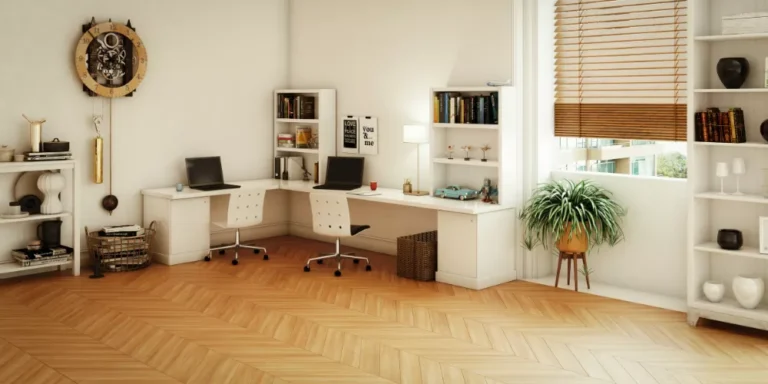
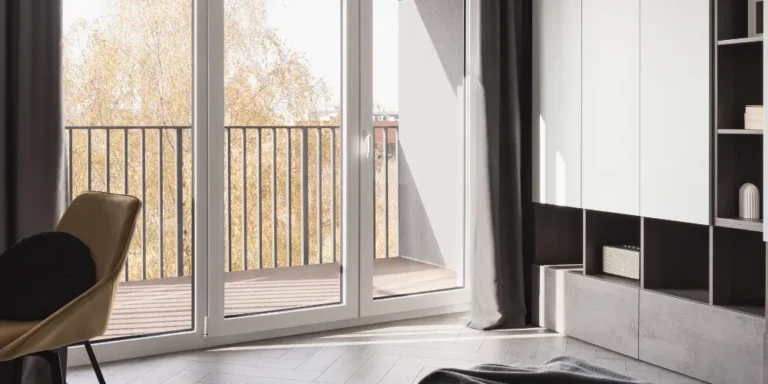
Selecting the ideal spot is the first step. Look for a corner or an area near windows for natural light. Ensure it is away from high-traffic zones to minimize distractions. The location should be quiet and easily accessible, making it a natural part of your daily routine. Consider the proximity to other functional areas, such as the living room or kitchen, and ensure it does not interfere with them. A clear sightline from the rest of the room helps maintain visual balance while making the reading zone feel distinct.
2. Selecting Comfortable Seating
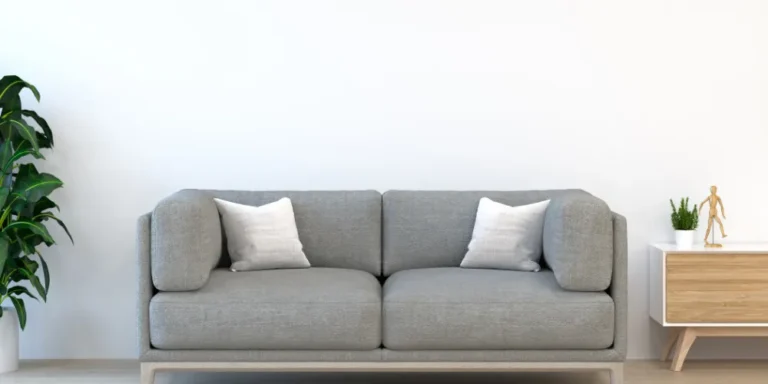
Comfortable seating is crucial for long reading sessions. Opt for plush armchairs, recliners, or chaise lounges. Adding cushions and throws increases comfort and makes the space more inviting. Ergonomic support for back and neck ensures that reading remains enjoyable. Consider modular seating that can be rearranged for flexibility or shared reading areas. The seating should complement the room’s style while providing a cozy and functional spot.
3. Lighting Considerations
Proper lighting enhances both comfort and aesthetics. Natural light is ideal, but supplement with adjustable floor or table lamps. Warm, soft lighting reduces eye strain and creates a calming atmosphere. Consider task lighting, such as reading lamps with directional light, for focused illumination. Layered lighting adds depth and warmth, balancing the brightness of the larger space. Smart lighting options can adjust intensity according to time of day, further enhancing comfort.
4. Defining the Space with Rugs and Furniture Arrangement
Use area rugs to visually separate the reading zone from the rest of the open space. Rugs anchor the furniture and create a sense of intimacy. Arrange furniture in a way that encourages relaxation, facing inward or toward a focal point like a window. Add small tables or ottomans to create functionality without clutter. Strategic placement ensures the zone feels intentional and distinct without isolating it completely from the open layout.
5. Incorporating Bookshelves and Storage
Bookshelves are both functional and decorative. Built-in shelves, floating shelves, or standalone units can store books and display decorative items. Organize books by color, size, or genre to enhance visual appeal. Closed storage can hide clutter while keeping essentials nearby. Consider vertical shelving to maximize space efficiency. Including a few personal items or plants among the books adds warmth and character.
6. Adding Personal Touches and Decor
Decor makes the reading zone feel unique. Hang art, photographs, or inspirational quotes to personalize the area. Add small plants for a touch of nature, improving both aesthetics and air quality. Decor items should complement the room’s overall theme while reflecting your personality. Layer textures through blankets, cushions, or curtains for coziness. Personal touches make the space feel inviting, encouraging longer reading sessions.
7. Choosing Colors and Textures
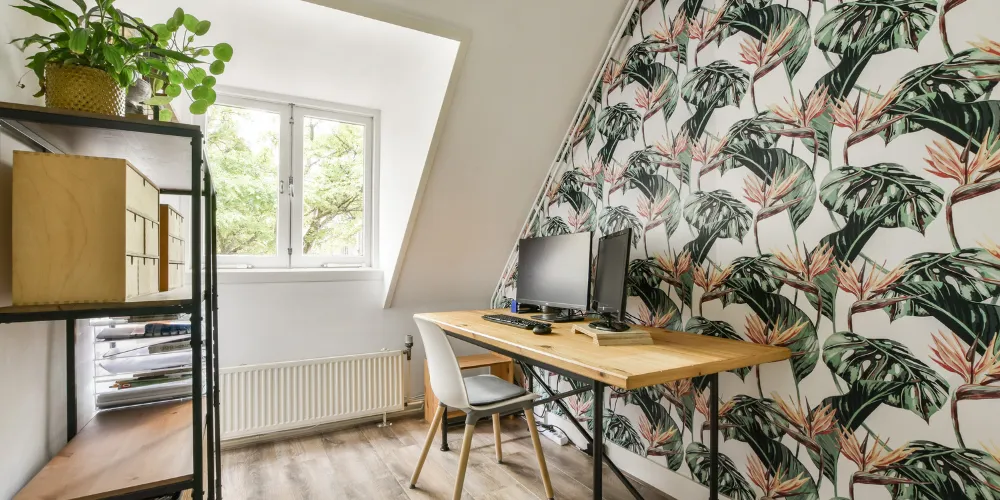
Color and texture influence mood and comfort. Soft, neutral tones create a calm environment, while accent colors can add vibrancy. Mix textures, such as soft fabrics, natural wood, or woven materials, to add depth. Avoid overly bold patterns that might distract from reading. Cohesive color schemes ensure the reading zone blends with the overall open space design while remaining distinct.
8. Noise Control and Privacy
Managing sound is important in open spaces. Use rugs, curtains, or fabric-covered furniture to absorb noise. Position the reading zone away from noisy areas, such as kitchens or media centers. Portable screens or room dividers can add privacy without permanently altering the space. These elements help create a serene environment for focused reading, even in larger, busier rooms.
9. Adding Functional Accessories
Small functional items enhance convenience. Side tables provide space for drinks or snacks, while magazine racks or trays keep books organized. Footrests or poufs increase comfort. Consider incorporating charging stations or smart devices for audiobooks or e-readers. Functional accessories should be subtle, supporting the reading experience without overwhelming the space.
10. Integrating Technology Thoughtfully
Technology can complement the reading zone if used carefully. E-readers, tablets, or ambient music systems add versatility. Avoid overly bright screens that disturb relaxation. Smart lighting or climate control can enhance comfort. Technology should support reading, not distract from it. Proper integration maintains the zone’s cozy, calm atmosphere while offering modern conveniences.
Conclusion
Designing a reading zone in a large open space requires a balance of comfort, functionality, and aesthetics. The right location, seating, lighting, and decor create an inviting area for relaxation and focus. Thoughtful furniture placement and rugs help define the space, giving it a sense of purpose within a larger room. Incorporating bookshelves, personal touches, and textures enhances both style and practicality.
Noise control and privacy considerations make the area comfortable even in a bustling open layout. Functional accessories like side tables, footrests, and storage solutions improve usability without clutter. Integrating technology thoughtfully ensures modern convenience while preserving the calm atmosphere. Colors, patterns, and decor should harmonize with the larger space while reflecting your personality.
A well-designed reading zone encourages more frequent reading, supporting mental well-being and stress relief. It can also act as a decorative highlight, adding warmth and character to your home. By carefully planning and implementing each design element, you can create a reading sanctuary that blends seamlessly into an open space.
Ultimately, the reading zone becomes more than a corner—it is a personal retreat that enhances daily life. By considering location, comfort, lighting, and aesthetics, homeowners can maximize the potential of their open spaces. Whether for quiet reflection, learning, or entertainment, a reading zone adds value and functionality to any home.
Creating a dedicated reading area demonstrates thoughtful design and prioritizes personal wellness. It shows how open spaces can be both beautiful and practical. With attention to detail and intentional planning, a reading zone can transform your home into a haven for relaxation and inspiration. This thoughtful approach to interior design ensures a lasting and enjoyable experience for all household members.