How can I design wall niches in a living room for decor display?
Wall niches are an elegant and functional design feature for modern living rooms in the USA. They provide space for displaying artwork, decor items, books, or plants while adding depth and visual interest to walls. Niches can transform plain walls into focal points, highlighting personal style and taste. They help reduce clutter by offering built-in storage or display options without taking up floor space. Properly designed niches complement existing architecture and furniture arrangements. They can be illuminated with built-in lighting to showcase objects and create ambiance. Sizes and shapes of niches vary, allowing for tailored design solutions.
Materials like drywall, wood, or stone enhance aesthetic appeal and durability. Niches can be recessed into walls or protrude slightly for dramatic effect. They can match traditional, modern, or minimalist interior styles. Adding shelves or ledges increases functionality for multiple items. Niches are a cost-effective way to upgrade the look of a living room. Proper planning ensures proportion, symmetry, and harmony with the room layout. Decorative niches can also be paired with contrasting wall colors or textures. Built-in lighting, such as LED strips, enhances the display and adds a warm atmosphere. Niches allow homeowners to personalize living spaces without overcrowding. Combining storage and display maximizes utility. Niches can frame mirrors, sculptures, or collectibles. They enhance vertical space, making ceilings appear taller. Thoughtful niche placement contributes to a balanced, visually appealing living room design.
How can I design wall niches in a living room for decor display?
Designing wall niches in a living room requires careful consideration of size, placement, lighting, and materials. Properly executed niches serve both aesthetic and functional purposes. Here are ten key strategies to create beautiful and practical wall niches.
1. Determining the Purpose of Niches
Start by defining the main purpose of the niche. Decide if it will display decorative items, house plants, store books, or highlight artwork. The intended purpose guides the size, depth, and shape of the niche. Consider whether niches will be purely decorative or also functional. Multi-purpose niches can combine storage with display. Clarify the types of objects to ensure the niche supports them safely. The purpose also influences material and lighting choices. A display niche may require glass shelves or built-in lighting. Storage niches may need sturdier shelves or hidden compartments. Understanding purpose ensures that niches are practical and visually appealing. Proper planning prevents overcrowding or underutilization of space. Purpose-driven design maximizes both form and function.
2. Choosing the Right Location
Placement is crucial for visibility and aesthetics. Common locations include above sofas, beside fireplaces, or on accent walls. Consider traffic flow and sightlines to ensure the niche is noticeable but not obstructive. Avoid placing niches where furniture might block access or view. Align niches with architectural elements like windows or doorways for balance. High-traffic areas may require protective finishes to prevent damage. Consider symmetry when planning multiple niches. Wall structure and stud placement may affect construction feasibility. Proper location enhances visual impact and usability. Placement should complement furniture layout and room proportions. Well-placed niches draw attention and create focal points naturally. Thoughtful location planning improves overall living room harmony.
3. Determining Niche Size and Shape
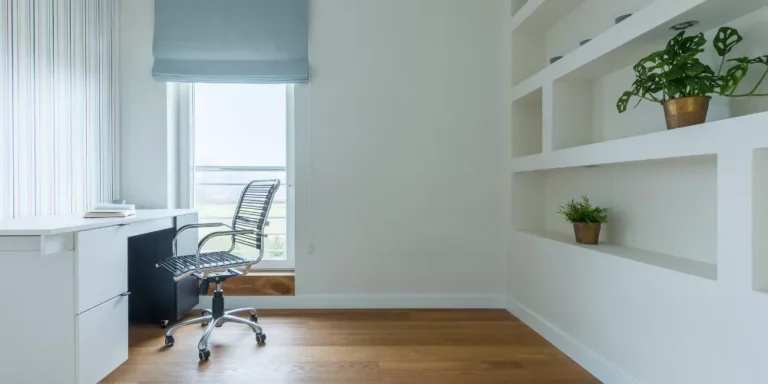
The size and shape of a niche influence its visual impact and functionality. Measure the wall space to ensure proportionate niches. Depth should accommodate intended items without looking shallow or oversized. Shapes can range from rectangular, square, circular, or custom geometric designs. Multiple smaller niches create a gallery effect, while a single large niche serves as a statement piece. Height placement should allow easy reach and visibility. The niche should complement ceiling height and wall dimensions. Avoid making niches too deep to prevent items from falling or becoming hard to access. Rounded edges or unique shapes can soften the look and add interest. Proper sizing ensures harmony with furniture and other decor elements. Custom sizes allow for tailored display solutions. Well-planned dimensions maximize both aesthetic and functional benefits.
4. Selecting Materials and Finishes
Materials determine the durability and look of the niche. Drywall is common for recessed niches and easy to paint or texture. Wood adds warmth and can match flooring or furniture. Stone or marble offers a luxurious, high-end finish. Consider moisture resistance if niches are near windows or humid areas. Finishes like matte, glossy, or textured paint affect visual impact. Contrasting materials can highlight the niche and objects inside. Durable surfaces prevent chips and scratches from decor handling. Material choice influences lighting options and installation complexity. Proper finishes complement the overall living room style. Materials should blend with or accentuate existing interior features. Selecting the right material balances style, function, and longevity.
5. Incorporating Lighting
Lighting enhances the display and adds ambiance. LED strips or recessed spotlights highlight decorative items. Warm white lighting creates a cozy atmosphere. Adjustable lighting allows focus on specific objects. Consider placement above, below, or inside the niche for optimal effect. Wiring should be concealed for a clean look. Dimmer options provide flexibility for different moods. Lighting improves visibility and prevents dark, unappealing corners. Battery-operated or low-voltage lights simplify installation. Proper illumination elevates niche aesthetics and emphasizes decor details. Integrating lighting adds sophistication and modern appeal. Thoughtful lighting design enhances functionality and visual impact.
6. Adding Shelves or Ledges
Shelves increase the functionality of niches, allowing for multiple display layers. Glass or wood shelves provide sturdy platforms for decor. Adjustable shelving adds flexibility for items of varying heights. Consider shelf thickness to support heavier objects safely. Placement of shelves should balance accessibility and visual appeal. Shelving design should match the niche’s style and finish. Shelves can also serve as subtle dividers within the niche. Rounded or beveled edges reduce injury risk in high-traffic areas. Proper spacing ensures items are not overcrowded. Shelves maximize vertical space and allow organized display. Functional shelving supports both aesthetics and practicality. Carefully designed ledges prevent items from tipping or falling.
7. Choosing a Color Palette
Color affects the visual impact and mood of the niche. Neutral colors create subtle elegance, while bold colors draw attention. Contrasting colors highlight the niche against the wall. Consider coordinating niche color with furniture, rugs, or artwork. Light colors make niches appear larger and brighter. Dark colors add drama and sophistication. Accent walls with niche color variations create a focal point. Paint, wallpaper, or textured finishes can enhance the niche. Ensure colors complement lighting for accurate appearance. Harmonizing colors improve cohesion in living room design. Color selection influences style, mood, and overall aesthetic appeal. Proper palette choice balances subtlety with impact.
8. Integrating Decorative Backdrops
Backdrops enhance niche design and highlight objects. Options include textured panels, mirrored surfaces, wallpaper, or fabric. Mirrored backdrops add depth and reflect light. Wood or stone panels provide warmth and natural appeal. Patterned wallpaper creates visual interest without overcrowding. Textured finishes complement modern or traditional interiors. Backdrops should not overpower displayed items. Consider removable or interchangeable options for flexibility. Decorative backdrops increase the niche’s stylistic versatility. Subtle patterns enhance focus on items, while bold designs create dramatic effects. Proper integration ensures harmony between niche and living room decor. Backdrops provide a professional and polished appearance.
9. Balancing Symmetry and Proportion
Symmetry creates visual harmony, especially with multiple niches. Align niches with architectural elements and furniture for balance. Unequal spacing can add dynamic interest but requires careful planning. Ensure niches are proportionate to wall size and ceiling height. Grouping niches in pairs or clusters enhances cohesiveness. Proper alignment prevents cluttered or awkward appearances. Proportional niches maintain aesthetic consistency with other room elements. Balance visual weight with nearby furniture, art, or decor. Symmetry contributes to an organized, polished look. Attention to proportion enhances the overall design and flow. Proper spacing and alignment make niches visually appealing and functional.
10. Planning for Maintenance and Accessibility
Niches should be easy to clean and maintain. Avoid deep recesses that collect dust and are hard to reach. Smooth, durable surfaces simplify upkeep. Ensure shelves and lighting are accessible for adjustments or replacements. Placement should allow comfortable access without straining. Consider child or pet safety if necessary. Materials and finishes should withstand cleaning products. Regular dusting or wiping preserves aesthetics and durability. Proper design facilitates long-term usability and care. Easy maintenance ensures the niche continues to look attractive over time. Accessibility planning supports ongoing enjoyment and practicality. Well-maintained niches retain value and enhance the living room environment.
Conclusion
Wall niches are a versatile and stylish addition to living rooms across the USA. They provide functional display space while enhancing visual interest and room depth. Defining the purpose of niches ensures practical and aesthetic success. Proper location and placement maximize visibility and complement furniture layouts. Sizing and shaping niches correctly maintains proportion and balance. Material and finish selection influences durability, style, and ease of maintenance. Integrated lighting highlights decor and adds warmth and ambiance. Shelves or ledges increase functionality and display options. Choosing the right color palette enhances visual impact and complements the overall interior design. Decorative backdrops add depth and sophistication to the niche. Symmetry and proportion create harmony and prevent visual clutter. Planning for maintenance ensures long-term beauty and usability. Niches can highlight personal style, artwork, or collectibles. Proper design integrates seamlessly with living room architecture. They can blend traditional, modern, or minimalist styles. Thoughtful planning enhances both aesthetics and practicality. Niches provide a customizable way to display cherished items. Accessible design ensures that items are easy to reach and adjust. Step-by-step planning balances form and function effectively. Wall niches offer a cost-effective, stylish, and practical solution for elevating living room interiors.