How can I refresh living room walls without repainting (e.g., wall panels)
Refreshing living room walls does not always require repainting, which can be time-consuming and costly. Homeowners across the USA are seeking creative alternatives to enhance wall aesthetics. Modern design solutions allow a room to feel updated and stylish without removing old paint. These approaches can add texture, depth, and personality to the living space. Wall panels, wallpaper, decals, and other decorative materials are increasingly popular.
Using alternative methods reduces cleanup time and minimizes disruption. Innovative wall treatments can match any interior style, from traditional to modern. They allow customization with patterns, colors, and textures without a permanent commitment. Some materials also improve insulation and soundproofing. Wall refresh options are ideal for renters seeking temporary updates. They can transform a room without major renovation or structural changes. Affordable options make these methods accessible for all budgets.
Lightweight materials can be installed quickly and easily. Many solutions are DIY-friendly, requiring minimal tools and skills. They can be combined with lighting and furniture rearrangements for greater impact. Alternative wall treatments often require less maintenance than painted surfaces. Some provide a protective layer, preventing wear and tear. These solutions are particularly useful in high-traffic areas. With careful selection, walls can look brand new without a single coat of paint. This approach encourages creativity while saving time, money, and effort.
How can I refresh living room walls without repainting (e.g., wall panels)
Refreshing living room walls without repainting is possible using a range of materials, textures, and techniques. Here are ten methods to transform walls effectively:
Install Wood or MDF Wall Panels
Wood or MDF panels add warmth and texture to living rooms. Panels come in natural wood, painted finishes, or veneer options. They can be installed vertically, horizontally, or in patterns for visual interest. Panels cover uneven walls, hiding imperfections. They improve insulation and provide some soundproofing. Installation is straightforward with adhesive, nails, or screws. Decorative molding can enhance the panel design. Wood panels suit rustic, farmhouse, or modern interiors. MDF options are cost-effective and easy to paint or stain. Panels create a focal wall without painting the entire room.
They are durable and low-maintenance. Various thicknesses allow for custom aesthetics. Panels can be removable in rental situations with minimal damage. Staggered or geometric layouts create visual texture. Accent lighting highlights panel patterns. Panels complement furniture and flooring. They can be combined with shelves or artwork. Installation requires measuring, cutting, and leveling panels properly. Wood panels are eco-friendly if sourced sustainably. They give a sophisticated, timeless appearance to living rooms.
Apply Peel-and-Stick Wallpaper
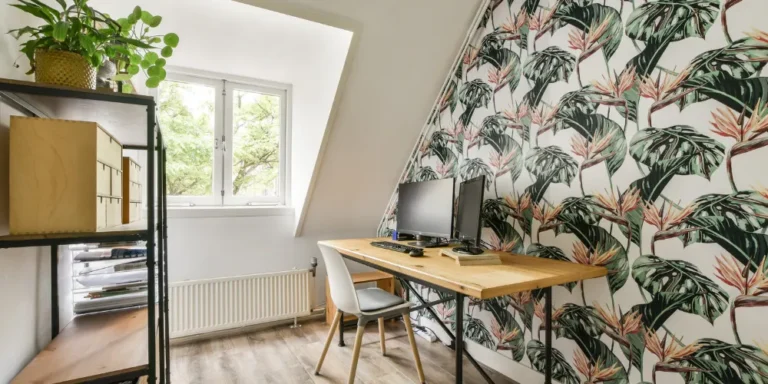
Peel-and-stick wallpaper is a convenient, non-permanent wall treatment. It comes in various patterns, textures, and colors. Installation requires no glue or professional help. Wallpaper can be removed or repositioned easily. Ideal for renters or temporary design updates. Textured options mimic brick, stone, or fabric. Peel-and-stick wallpaper covers stains, cracks, or uneven surfaces. Patterns can be used on a single accent wall or the entire room. Some wallpapers are moisture-resistant, suitable for humid climates.
Affordable pricing allows experimentation with different styles. It enhances room aesthetics instantly. Cleaning is simple with a damp cloth for most types. Combining wallpapers with painted sections creates contrast. Metallic or reflective designs brighten the space. Geometric patterns add contemporary appeal. Installation requires careful measurement and smoothing to avoid bubbles. Cutting around outlets and trim is straightforward. Durable options can last several years. It’s easy to refresh or update as trends change. Peel-and-stick wallpaper allows creative, cost-effective wall transformations.
Use Fabric Wall Hangings or Tapestries
Fabric wall hangings or tapestries introduce color, texture, and softness. They cover large sections of the wall without any structural work. Installation can be simple with nails, hooks, or rods. Tapestries create visual interest and focal points. Materials include cotton, linen, wool, or synthetic blends. Fabric options come in various patterns, from traditional to modern. They can be rotated seasonally for a fresh look. Some fabrics offer sound absorption benefits. Hanging multiple layers adds depth and dimension. Lightweight fabrics are suitable for rental walls. Mounting methods can be temporary or semi-permanent.
Fabrics can hide imperfections and stains on painted walls. Draping or framing fabric adds sophistication. Coordinating colors with furniture enhances room harmony. Patterns can complement or contrast existing décor. Maintenance includes gentle vacuuming or occasional washing. Layering fabrics provides texture and visual warmth. They are ideal for DIY projects and creative expression. Fabric wall treatments are flexible and affordable. They offer an easy way to personalize living spaces without paint.
Install Decorative 3D Wall Tiles
3D wall tiles provide texture and depth without painting. Made from materials like PVC, MDF, gypsum, or foam, they are lightweight and easy to install. Tiles can be arranged in geometric, wave, or floral patterns. They create modern, dramatic accent walls. Adhesive or interlocking systems simplify installation. 3D tiles can be painted or left in natural color for effect. They cover wall imperfections effectively. Some designs improve acoustic properties. They are suitable for high-traffic areas and feature walls. Tiles can be cut to fit corners and edges precisely. Patterns can be customized for unique layouts.
Cleaning is simple with a dry or damp cloth. Tiles can be temporary in rental situations if mounted with removable adhesives. Reflective finishes enhance lighting effects. They complement minimalist or contemporary interiors. Layering tiles with contrasting colors adds interest. Installation requires measuring and leveling for uniformity. 3D tiles provide a professional, high-end look without paint. They are durable and low-maintenance. Creative layouts transform living rooms instantly.
Add Wainscoting or Beadboard Panels
Wainscoting or beadboard adds architectural detail without repainting. Panels typically cover the lower portion of the wall. Materials include wood, MDF, or PVC. Installation involves cutting panels to size, attaching with adhesive or nails, and adding trim. Wainscoting adds elegance and texture. It works well in traditional or cottage-style interiors. Panels can be stained, left natural, or painted for accent contrast. Beadboard has vertical lines that elongate walls visually. It can be combined with wall hangings or shelves.
Durable panels protect walls from scuffs and damage. Installation is DIY-friendly with proper tools. Maintenance is minimal; dusting and occasional cleaning suffice. Panels provide a timeless, classic look. Height can be adjusted to suit design preferences. Adding trim or chair rails enhances aesthetic appeal. Wainscoting creates a focal area without repainting. It hides minor wall imperfections effectively. Panels can be updated over time for a refreshed look. They improve room character while remaining practical and cost-effective.
Hang Large Artwork or Wall Decals
Large artwork or removable decals transform walls instantly. Wall decals come in vinyl or fabric, easy to remove or reposition. Artwork adds personality and a curated feel without structural changes. Choosing oversized pieces creates a focal point. Decals can be used on accent walls for patterns or quotes. They are ideal for renters seeking temporary solutions. Proper placement enhances balance and symmetry. Decals and art reduce the visibility of stains or small wall defects. Combining multiple pieces creates gallery-style arrangements.
Materials are lightweight and safe for painted walls. Some decals mimic textures like brick or tile. Installation is simple with adhesive backing or hooks. Removing decals leaves minimal residue if instructions are followed. Art and decals provide flexible, low-commitment decoration. They are cost-effective compared to professional painting. Rotating pieces allows seasonal or style updates. Artwork complements furniture and room color schemes. Large pieces visually enlarge the space. They provide instant style upgrades without repainting. Strategic placement ensures cohesive room design.
Apply Peel-and-Stick Wall Panels
Peel-and-stick wall panels provide a quick way to cover walls without paint. Materials include vinyl, PVC, faux brick, or stone textures. Panels are lightweight and DIY-friendly. Installation involves peeling the backing and adhering to the wall. Panels hide imperfections and add texture instantly. They can be cut to size for corners and edges. Some panels are moisture-resistant, suitable for living rooms near windows or humid areas. Panels create accent walls or full room coverage. They come in various finishes, from rustic to modern. Cleaning is simple with a damp cloth.
Temporary adhesives make them suitable for rentals. Panels can be combined with other wall treatments for layered effects. Installation requires accurate measurement and leveling. Panels provide depth and interest without paint. They are cost-effective and versatile. Some designs mimic expensive materials affordably. Peel-and-stick panels enhance room aesthetics quickly. They require minimal tools and effort. Replacing panels is easy for future updates. They provide instant visual impact and texture.
Use Cork or Fabric Wall Coverings
Cork or fabric wall coverings improve aesthetics and sound absorption. Cork is natural, durable, and eco-friendly. Fabric panels can be stretched over frames for decorative effect. Both options hide wall imperfections and add texture. Cork tiles are easy to install with adhesive or tack. Fabric panels can be hung or mounted. They provide warmth and tactile appeal. Both materials enhance acoustic properties for quieter rooms. Cork and fabric can be combined with other decorative elements. Installation is straightforward with basic tools. Maintenance involves dusting and occasional cleaning.
Options are available in various colors, patterns, and thicknesses. Cork and fabric are suitable for feature walls or full-room coverage. They are rental-friendly if mounted with removable adhesives or hooks. The materials are long-lasting and cost-effective. They complement modern, boho, or rustic interiors. Wall coverings create cozy, inviting spaces. They are flexible and customizable. Eco-friendly options support sustainable living. Cork and fabric walls elevate design without painting.
Create a Gallery Wall with Shelving
Shelving allows for decorative display while refreshing walls. Floating shelves provide storage and visual interest. Arranging framed photos, plants, or decorative items creates a gallery effect. Shelving avoids permanent changes and hides minor wall defects. Adjustable shelves allow flexibility for seasonal or style updates. Shelves can be arranged in grids or asymmetrical patterns. They provide depth and texture without paint. Materials include wood, metal, or MDF. Installation is simple with anchors and screws. Shelves allow multi-purpose display with books or décor. They enhance focal points in living rooms.
Shelving can incorporate lighting for accent effects. Floating or built-in shelves suit modern or traditional interiors. Proper placement balances room layout. Shelves complement wall panels, decals, or tapestries. They offer functional and aesthetic improvements. Maintenance is minimal; dusting and arrangement suffice. Gallery-style shelving creates dynamic, customizable walls. It improves room personality and comfort. Shelves allow for continual refreshment without repainting.
Add Moldings, Trims, or Chair Rails
Decorative moldings, trims, and chair rails enhance walls without paint. They add architectural interest and dimension. Materials include wood, MDF, or polyurethane. Installation involves measuring, cutting, and attaching with adhesive or nails. Moldings can frame walls, ceilings, or doors. Chair rails protect walls and create visual separation. Trims highlight focal areas or accent panels. They are cost-effective and low-maintenance. Moldings can be painted for accent contrast if desired. They suit classic, modern, or eclectic interiors. Installation is DIY-friendly with basic tools. They hide minor wall imperfections or seams. Combining moldings with wallpaper or panels enhances style.
Crown molding adds sophistication and height perception. Baseboards protect lower walls and complement overall design. Moldings create a polished, finished look without repainting. They improve property aesthetics for minimal cost. Accent trims emphasize room structure and design. Proper installation ensures a seamless, professional appearance. They can be updated or replaced for style refreshes. Moldings offer long-lasting visual enhancement for living rooms.
Conclusion
Refreshing living room walls without repainting is practical and cost-effective for homeowners in the USA. Wood or MDF panels provide texture, warmth, and durability. Peel-and-stick wallpaper allows easy updates and temporary designs. Fabric wall hangings or tapestries add color, depth, and flexibility. Decorative 3D wall tiles introduce patterns and modern appeal. Wainscoting or beadboard panels create architectural interest and elegance.
Large artwork or wall decals personalize spaces while hiding imperfections. Peel-and-stick wall panels offer quick, low-cost transformations. Cork or fabric coverings improve sound absorption and aesthetic appeal. Gallery walls with shelving add depth and functional decoration. Moldings, trims, or chair rails enhance architectural detail. Combining these techniques creates visually engaging, comfortable living rooms.
Solutions are suitable for both renters and homeowners. Minimal tools and effort are required for most methods. They reduce time, cost, and disruption compared to repainting. Many options are temporary and easily updated. These alternatives allow experimentation with styles and colors. Layered approaches maximize impact and creativity. Wall refresh methods complement furniture, lighting, and décor updates. Proper planning ensures cohesive, modern results. Homeowners can achieve a fresh, inviting space without the need for paint.