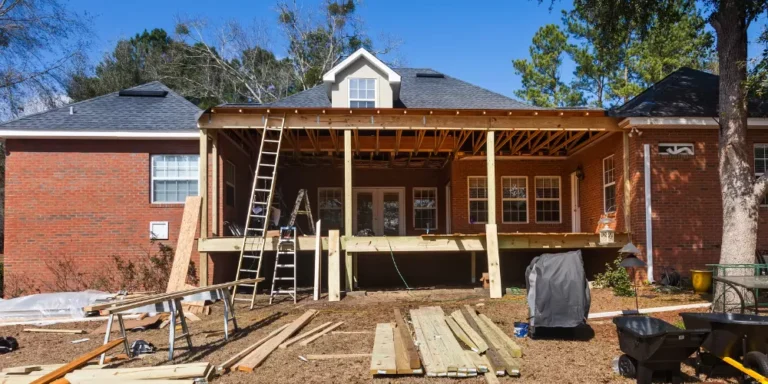
How Do I Plan for Future Electric Car Charger When Remodeling Garage?
As electric vehicles (EVs) become more popular in the USA, planning for a home charging solution is increasingly important. Adding an EV charger during a garage remodel ensures convenience, efficiency, and future readiness. Homeowners can save time and money by preparing electrical infrastructure before completing the garage renovation. Planning ahead avoids costly retrofits and ensures compliance with safety codes. A well-planned setup allows homeowners to enjoy the benefits of EV ownership without disrupting daily routines.
Garage remodels provide an opportunity to upgrade wiring, add dedicated circuits, and install proper outlets. Strategic placement of the charger ensures accessibility and reduces cord clutter. Preparing for future needs allows the garage to support multiple EVs if needed. Homeowners can select chargers compatible with their EV models and anticipated power requirements. Integrating the charging setup with smart home technology provides control and monitoring. Proper ventilation and safety measures prevent overheating and electrical hazards. Planning the garage layout around the charger ensures sufficient space for vehicles and storage. Future-proofing your garage supports rising energy demands and evolving vehicle technology. High-quality installation extends charger lifespan and improves reliability. Incorporating EV charging into the remodel increases home value and appeal. Consideration of energy-efficient and renewable energy options can reduce costs. Planning for future EV infrastructure avoids disruptions after remodeling. This ensures a seamless transition when adopting electric vehicles. Thoughtful planning integrates style, function, and safety in your updated garage.
How Do I Plan for Future Electric Car Charger When Remodeling Garage?
Planning for a future EV charger during a garage remodel requires foresight, proper electrical setup, and attention to safety. This guide explains ten key considerations to ensure your garage is ready for a modern EV charging solution.
1. Assess Your Current Electrical System
Understanding your existing electrical setup is the first step. Many USA homeowners review their main panel capacity, circuit breakers, and service size. Check if your current system can support a 240-volt EV charger without overloading. Consider panel upgrades if necessary to accommodate future devices. Identify available space for new breakers and wiring. Document the location of the main panel and subpanels. Consult an electrician to evaluate safety and load capacity. Determine if your current wiring meets local building codes. Assess potential energy usage to plan for multiple chargers or additional appliances. Verify grounding and bonding to ensure electrical safety. Check for outdated wiring or components that may need replacement. Consider future energy demands beyond the EV charger. Knowing the system capacity helps plan for efficient and safe installation. Accurate assessment prevents overloading circuits or damaging equipment. Understanding your panel layout avoids conflicts with other electrical upgrades. Panel capacity affects charger placement and wire routing. Evaluate the distance between the main panel and planned charger location. Adequate planning avoids expensive retrofits later. A thorough electrical assessment is foundational for safe EV charging readiness. Preparing the system ensures flexibility and long-term reliability. Correct evaluation reduces surprises and additional costs during remodeling.
2. Choose Charger Location Wisely
Selecting the optimal location ensures convenient and safe charging. Many USA homeowners place chargers near where they park regularly. Avoid obstructing storage shelves, doors, or pathways. Consider cord length and flexibility when choosing the wall or post. Ensure adequate clearance from flammable materials. Position the charger to minimize tripping hazards. Consider ventilation if the charger generates heat. Make sure the location is accessible in both summer and winter conditions. Plan for lighting to illuminate the charger area. Avoid placement near water sources to reduce risk. Evaluate potential expansion for additional EVs. Choose a location that aligns with your garage remodel layout. Consider wall strength to support charger mounting. Ensure compliance with local building and electrical codes. Accessibility for routine maintenance is essential. Leave space for cord management and hooks. Keep the charger within reach of your vehicle without stretching cords excessively. Consider future-proofing with extra conduit or space for upgrades. Charger location affects installation costs and convenience. Proper planning enhances safety, usability, and aesthetics. Strategic placement allows for a seamless integration into your remodel.
3. Upgrade Electrical Panel if Needed
Panel upgrades are often required to support EV chargers. Many USA homeowners add dedicated circuits or increase service size from 100 amps to 200 amps. A higher-capacity panel allows for multiple appliances and chargers without overloading. Ensure compliance with National Electrical Code (NEC) standards. Install sufficient breakers for EV charging and future expansions. Consider load calculations for all garage equipment. Professional assessment ensures safe panel upgrades. Choose a location that allows easy access to breakers. Panel upgrades improve overall home electrical safety. Incorporate surge protection for sensitive electronics. Modern panels support smart monitoring systems for energy usage. Proper labeling of circuits simplifies maintenance. Upgraded panels provide reliability for heavy-duty appliances. Plan for future EV growth or additional chargers. Increased panel capacity avoids tripping breakers during high loads. Panel replacement can be coordinated with remodel construction. Proper installation reduces fire risks and improves efficiency. Plan wiring routes from the panel to the charger location. Upgrades can enhance home resale value. Adequate capacity ensures long-term energy management. A professional electrician ensures code-compliant and safe upgrades.
4. Install Dedicated Circuit for Charger
A dedicated circuit ensures safe and efficient charging. Many USA homeowners use a 240-volt, 40-50 amp dedicated circuit for Level 2 chargers. Avoid sharing circuits with other appliances or outlets. Correct sizing prevents overheating and tripped breakers. Use proper gauge wire and conduit per code. Install a breaker compatible with your charger. Consider future expansion by installing a slightly larger capacity breaker. Proper grounding and bonding are essential. Ensure the circuit is labeled clearly in the electrical panel. Use GFCI or AFCI protection if required by local codes. The dedicated circuit prevents interference with other devices. Plan the route from the panel to minimize wire length. Avoid sharp bends or excessive strain on wiring. Ensure access points for inspection and maintenance. Use high-quality materials for durability. Coordinate installation timing with remodeling work. Confirm that wiring and breakers meet manufacturer specifications. A dedicated circuit ensures optimal charging speed. Proper installation reduces the risk of fire or damage. Ensure conduit and box sizes meet code requirements. Dedicated circuits provide peace of mind and reliability. This step is crucial for future-proofing your garage.
5. Plan for Conduit and Wiring Placement
Conduit protects wiring and ensures safe installation. Many USA homeowners run conduit along walls, ceilings, or floors to route EV charger wiring. Use appropriate conduit materials: PVC, EMT, or flexible metal as per local code. Ensure conduit size accommodates wire gauge and future upgrades. Plan routes to avoid obstacles or frequent foot traffic. Consider future expansion with extra conduit for additional chargers. Secure conduit with proper supports and spacing. Avoid sharp bends that strain wires. Protect wiring from potential water or chemical exposure. Label conduit runs for easy identification. Conceal conduit if possible for aesthetics. Conduit installation is easier during garage remodeling before walls or finishes are complete. Verify compatibility with electrical panel and charger location. Ensure code compliance for grounding and bonding. Use junction boxes where necessary for branching circuits. Plan wiring with minimal interference from lighting or other systems. Proper placement reduces risk of damage or short circuits. Consider future remodeling projects that might affect conduit. Ensure professional installation if unfamiliar with electrical work. Well-planned conduit improves safety and accessibility. Planning wiring routes in advance saves time and cost.
6. Ensure Proper Grounding and Safety Measures
Grounding is critical for EV charger safety. Many USA homeowners install grounding rods or use existing home grounding systems. Check that grounding meets NEC and local code requirements. Grounding prevents electric shock and protects equipment. Use proper gauge wire and connections. Ensure all metal parts of the charger and conduit are bonded. Install surge protection for sensitive electronics. Verify outlet or charger connections are secure. Inspect grounding periodically to maintain safety. Avoid moisture exposure that could compromise grounding. Proper grounding allows safe operation during storms or electrical faults. Incorporate GFCI or AFCI protection if required. Ensure that grounding does not interfere with other electrical circuits. Label and document grounding connections. Professional electricians confirm proper installation. Grounding protects family, vehicles, and home appliances. Follow manufacturer instructions for charger grounding. Check compatibility with solar panels or other energy sources. Grounding supports long-term reliability and safety. Ensure all connections are tight and corrosion-free. Grounding is a critical step in a safe EV charging setup. Proper grounding reduces liability and ensures peace of mind.
7. Consider Future-Proof Charger Specifications
Choosing a charger with future-ready features avoids early obsolescence. Many USA homeowners select Level 2 chargers with adjustable amperage. Smart chargers with Wi-Fi or app connectivity allow monitoring and scheduling. Look for chargers compatible with multiple EV brands. Consider chargers with energy management features to reduce electricity costs. Select units with durable, weather-resistant casings. Check if the charger supports firmware updates. Ensure cable length suits your garage layout. Modular or expandable chargers allow future upgrades. Evaluate charging speed for current and next-generation EVs. Consider chargers with safety certifications like UL or ETL. Assess physical size and installation requirements. Choose chargers with flexible mounting options. Compare features like LED indicators and lockable plugs. Consider integration with solar panels or energy storage. Evaluate warranty and manufacturer support. Ensure chargers are compatible with local electricity rates or time-of-use plans. Consider chargers that work with smart home systems. Proper planning avoids replacing chargers prematurely. Future-proof chargers maximize return on investment. Thoughtful charger selection ensures long-term convenience and efficiency.
8. Plan Lighting and Accessibility Around Charger
Good lighting ensures safe and convenient use. Many USA homeowners add bright LED lighting near the charger location. Motion-sensor or overhead lighting reduces trips in dark garages. Illuminate both the vehicle parking area and charging cord path. Consider glare-free lighting to prevent visibility issues. Plan placement to highlight controls, outlets, and labels. Adequate lighting reduces the risk of tripping or electrical accidents. Use waterproof or moisture-resistant fixtures if needed. Ensure lighting does not obstruct doors or storage areas. Combine lighting with reflective surfaces for maximum illumination. Accessibility also includes space for cord management and vehicle maneuvering. Plan for enough clearance around charger for opening car doors. Consider children or pets when designing cord placement. Provide easy access to breaker panel and emergency shutoff. Lighting enhances aesthetics and functionality. Evaluate lighting during both day and night conditions. Adjustable lighting angles improve usability. Well-lit chargers encourage proper use and reduce wear on cords. Lighting planning complements garage remodel aesthetics. Accessibility and lighting planning ensure a safe, user-friendly setup. Properly illuminated and accessible chargers simplify daily EV use.
9. Incorporate Smart Home Integration
Smart integration provides convenience and monitoring. Many USA homeowners use Wi-Fi-enabled chargers to track energy use. Schedule charging during off-peak hours to save on electricity costs. Receive notifications for charging status or errors. Smart chargers can integrate with home energy systems or solar panels. Monitor multiple EVs simultaneously if needed. Use apps to adjust amperage or set charging limits. Integration supports long-term energy management. Smart features can improve home resale value. Compatibility with voice assistants enhances convenience. Update firmware to maintain security and functionality. Some chargers offer remote diagnostics and troubleshooting. Track historical energy usage for budgeting. Smart integration supports environmental sustainability by managing electricity load. Combine with smart garage lighting and security for full automation. Smart chargers reduce manual intervention. Proper planning ensures network connectivity. Integration allows for predictive energy management. Smart home features enhance efficiency and convenience. Planning for smart integration makes your garage future-ready. Smart chargers provide data-driven insights for long-term savings. Effective smart integration improves user experience and safety.
10. Plan for Maintenance and Future Expansion
Maintaining and upgrading chargers ensures long-term performance. Many USA homeowners plan access routes for maintenance. Inspect wiring, breakers, and outlets periodically. Keep charger clean and free from dust or moisture. Plan space for additional chargers if more EVs are added. Ensure easy access to manufacturer support or warranty service. Rotate or replace parts as needed. Maintain updated documentation for electrical layout. Consider long-term energy demands when planning expansion. Plan conduit and breaker space for additional circuits. Use durable, high-quality components for longevity. Keep spare parts or accessories handy. Monitor charger performance through smart apps. Schedule regular inspections for safety compliance. Training family members on safe usage prevents accidents. Plan for technological upgrades or faster chargers. Future-proofing reduces remodeling disruptions later. Maintenance planning increases reliability and lifespan. Monitor environmental factors like temperature or humidity. Expansion planning accommodates multiple vehicles. Long-term planning ensures a safe, efficient, and convenient garage charging setup. Maintenance and expansion readiness maximize investment value and convenience. Proper planning guarantees smooth EV adoption and garage functionality.
Conclusion
Planning for a future electric car charger during a garage remodel ensures convenience, efficiency, and safety. Assessing your electrical system and upgrading panels provides the foundation for a reliable setup. Choosing the right location and installing dedicated circuits ensures accessibility and prevents overloads. Conduit, wiring, and grounding improve safety and compliance with code standards. Selecting future-proof chargers and incorporating smart home integration enhances usability. Proper lighting, accessibility, and cord management improve daily convenience. Organizing zones for multiple vehicles or future expansion prepares the garage for evolving needs. Regular maintenance and monitoring extend charger lifespan and performance.
Thoughtful planning avoids costly retrofits and disruptions after remodeling. Homeowners can enjoy seamless EV charging without compromising garage function or aesthetics. Future-ready garages increase home value and accommodate growing EV adoption. Combining practical installation with technology creates a user-friendly and efficient setup. EV charger planning integrates with other remodeling upgrades for a cohesive design. Accessibility and ergonomics reduce physical strain when plugging in or unplugging vehicles. Compliance with safety codes prevents electrical hazards.
Upgraded garages support energy management, sustainability, and cost savings. Adequate preparation ensures flexibility for future EV technologies. Planning for both current and future charging needs maximizes investment value. Strategic garage remodeling transforms ordinary spaces into EV-ready hubs. Proper foresight ensures safe, efficient, and convenient use of electric vehicle chargers. Well-executed planning guarantees long-term satisfaction and functionality. Incorporating these steps creates a modern, future-proof garage ready for EV ownership.