What are low-maintenance siding materials for US homes
Siding is one of the most important elements of a home’s exterior in the USA. It protects the house from weather, improves insulation, and contributes to curb appeal. Choosing low-maintenance siding helps homeowners save time, money, and effort over the long term. Traditional materials like wood require frequent painting, sealing, and repairs. Modern siding options are designed to resist moisture, fading, and pests while maintaining their appearance.
Low-maintenance siding increases the durability of the home and reduces ongoing upkeep. Many homeowners in the USA seek materials that balance aesthetics, cost, and longevity. Climate plays a major role in siding selection, as some materials perform better in humid, cold, or sunny regions. The right siding can also improve energy efficiency, lowering heating and cooling costs.
Vinyl, fiber cement, and engineered wood are popular low-maintenance choices. Siding materials vary in texture, color, and style, allowing homeowners to achieve the look they want. Proper installation is critical to ensure performance and reduce maintenance needs. High-quality siding resists warping, cracking, and insect damage. Choosing long-lasting materials prevents frequent replacements.
Modern coatings and finishes protect siding from UV damage and moisture infiltration. Siding contributes to the overall value and longevity of the property. Homeowners can select materials that match architectural style and personal preferences. Low-maintenance siding allows more time for family and leisure rather than constant upkeep.
Combining aesthetics, durability, and ease of care ensures a smart investment. A well-chosen siding material enhances both the beauty and functionality of a home.
What are low-maintenance siding materials for US homes
Low-maintenance siding materials reduce upkeep, resist weather damage, and maintain their appearance over time. Here are ten popular options for US homes:
Vinyl Siding
Vinyl siding is lightweight, durable, and resistant to rot and insects. It does not require painting and can be cleaned with soap and water. Available in a wide range of colors and textures, vinyl can mimic wood grain. It is cost-effective and widely available across the USA. Vinyl resists fading and cracking when exposed to sunlight. Modern vinyl siding includes insulated options for better energy efficiency. Installation is relatively simple and quick. It can handle various climates, from cold northern winters to hot southern summers. Maintenance mostly involves occasional washing and inspection. Vinyl siding does not warp or corrode.
Resistant to moisture, it prevents mold and mildew growth. Repairs are easy, as individual panels can be replaced. It pairs well with other exterior materials, such as stone or brick accents. Vinyl siding is compatible with most home designs and architectural styles. Proper installation ensures wind resistance and prevents water infiltration. Fire-retardant options are available for additional safety. Its longevity often exceeds 20 years with minimal effort. Vinyl siding remains an affordable, attractive, and low-maintenance choice for many homeowners.
Fiber Cement Siding
Fiber cement siding is a composite of cement, sand, and cellulose fibers. It is highly durable and resistant to rot, insects, and fire. Fiber cement can mimic wood, stucco, or masonry textures. It does not warp or swell in humid conditions. Paint-coated fiber cement siding retains color for years. Requires less frequent maintenance compared to traditional wood. Resistant to harsh weather, including hail, wind, and sun. Installation is heavier and may require professional handling. Nail placement and sealing are critical to prevent water intrusion. Can be painted or stained to match home design.
Low water absorption makes it ideal for wet climates. Fiber cement is non-combustible, enhancing home safety. Offers a long lifespan, often 30–50 years with proper care. Minor maintenance includes occasional washing and repainting every decade. It provides excellent insulation when paired with proper backing. Resistant to fungal and insect damage. Available in plank, shingle, and panel styles. Its appearance can emulate premium wood aesthetics without high upkeep. Installation in regions with freeze-thaw cycles requires attention to expansion gaps. Fiber cement siding balances strength, beauty, and low-maintenance appeal.
Engineered Wood Siding
Engineered wood siding is manufactured from wood fibers and resins for stability. Provides the natural look of wood with greater durability. Resistant to rot, decay, and insects compared to solid wood. Lighter than fiber cement, easier to handle during installation. Often comes pre-primed or painted for reduced initial maintenance. Can be stained or painted for color updates. Resists warping, splitting, and cracking in variable climates. Works well in both hot, dry regions and cold, wet areas. Some products include moisture-resistant coatings for longer life. Maintenance generally involves occasional cleaning and repainting every 10–15 years.
Engineered wood is environmentally friendly, using recycled wood fibers. Can be cut and installed like traditional wood planks. Compatible with many architectural styles. Offers a cost-effective alternative to natural wood siding. Panels may include locking systems for improved weather protection. Resistant to termite damage with proper treatment. Provides moderate insulation benefits. Offers a premium aesthetic without high ongoing maintenance. Repairs are easier than solid wood, with minimal replacement of sections. Engineered wood combines durability, style, and ease of care effectively.
Stucco Siding
Stucco is a cement-based plaster applied over mesh or lath. Provides a seamless, modern appearance with minimal joints. Resistant to fire, rot, and insects. Requires less frequent maintenance than painted wood. Stucco is ideal for dry or temperate climates in the USA. It can be textured, smooth, or patterned for design variety. Maintenance involves inspecting for cracks and repairing as needed. Painted stucco holds color well under sunlight. Proper sealing prevents water penetration and mold growth. Stucco provides good insulation and noise reduction.
Compatible with contemporary, Mediterranean, or Southwestern architecture. Repairs are localized and cost-effective if done promptly. Resistant to fading and weathering when coated correctly. Durable and long-lasting with occasional upkeep. Minimal cleaning is required, usually pressure washing or rinsing. Stucco allows customization of color without repainting frequently. Can integrate decorative elements like stone or tile accents. Offers a durable and low-maintenance exterior solution. Contributes to curb appeal and structural protection. Stucco siding is ideal for homeowners seeking minimal upkeep with a sophisticated look.
Metal Siding (Aluminum or Steel)
Metal siding is strong, fire-resistant, and low-maintenance. Aluminum or steel panels resist rot, pests, and harsh weather. Coated finishes prevent rust and corrosion. Offers a modern, sleek appearance for contemporary homes. Minimal upkeep includes occasional cleaning and inspection for dents. Panels are durable, often lasting 30–50 years. Resistant to fading and UV damage. Can be installed vertically or horizontally for design flexibility. Works well with other exterior materials like stone or wood accents.
Metal siding can be insulated for energy efficiency. Lightweight aluminum is easier to install than steel. Resistant to insects and termites. Can be recycled, making it environmentally friendly. Requires less frequent painting than traditional materials. Standing seam or corrugated designs add architectural interest. Resistant to mold and mildew growth. Can be paired with gutters and downspouts to manage water. Metal siding withstands extreme temperature changes. Provides a durable, modern, and low-maintenance solution for US homes.
Brick Veneer Siding
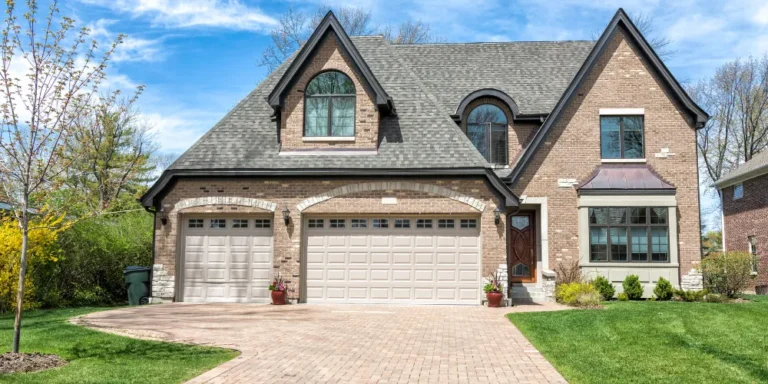
Brick veneer siding offers the aesthetic of full brick with lower cost and maintenance. Lightweight veneer reduces structural load. Resistant to rot, insects, and fire. Does not require painting or frequent upkeep. Provides natural insulation and temperature regulation. Water-resistant sealants prevent moisture penetration. Brick is durable and long-lasting, often exceeding 50 years. Available in multiple colors and textures to match home style. Minimal maintenance involves occasional cleaning and mortar inspection.
Adds value and traditional curb appeal to homes. Resistant to fading and weather damage. Can be combined with stone, stucco, or siding for layered design. Provides soundproofing benefits. Installation requires proper flashing and foundation support. Does not warp, crack, or swell like wood. Can withstand freeze-thaw cycles with proper installation. Repairs are localized and easy to manage. Brick veneer is suitable for most climate regions in the USA. Offers classic aesthetics with minimal effort.
Composite Panels
Composite siding combines natural fibers, resins, and synthetic materials. Offers durability and minimal maintenance. Resistant to rot, insects, and warping. Panels often come pre-finished with color or texture. Suitable for modern or traditional architectural styles. Lightweight panels simplify installation. Can mimic wood, stone, or metal textures. Maintenance is generally limited to washing with water. Resistant to UV fading and harsh weather. Panels are engineered for long-term stability.
Provides consistent appearance over time. Fire-resistant options are available. Compatible with energy-efficient insulation. Low moisture absorption reduces mold growth. Panels are durable, lasting decades with minimal upkeep. Repairs involve replacing only damaged panels. Resistant to termite or pest damage. Offers design flexibility for homeowners. Composite siding balances aesthetics, durability, and convenience. Improves curb appeal while lowering maintenance costs.
Concrete Panels
Concrete siding panels provide extreme durability and low-maintenance performance. Resistant to fire, rot, and insects. Can be pre-cast or formed on-site for flexibility. Offers a modern, industrial appearance. Requires minimal cleaning and upkeep. Panels withstand harsh weather, including hurricanes and snow loads. Resistant to UV damage and color fading. Can incorporate textures, colors, or patterns for aesthetics. Strong insulation improves energy efficiency. Installation requires professional handling due to weight.
Panels are durable, often lasting 50+ years. Low moisture absorption prevents mold or mildew. Resistant to impact and physical damage. Can be combined with metal, wood, or stone accents. Panels are environmentally friendly and long-lasting. Minimal repairs needed over the lifetime of the home. Provides excellent soundproofing benefits. Enhances structural strength and durability. Concrete siding offers low-maintenance, high-performance exterior protection.
Engineered Stone Siding
Engineered stone siding mimics natural stone without the maintenance burden. Made from crushed stone, resins, and pigments for durability. Resistant to rot, pests, and weathering. Provides a natural, upscale appearance for any home. Lightweight panels simplify installation. Requires little upkeep beyond occasional cleaning. Does not need sealing like natural stone. Panels resist cracking, fading, and chipping. Compatible with modern, rustic, or traditional designs.
Provides insulation and thermal mass benefits. Resistant to moisture infiltration and mold growth. Panels are durable, lasting decades. Can be combined with other siding materials for accent features. Low-maintenance surface retains appearance for years. Panels are fire-resistant and environmentally friendly. Color and texture remain consistent over time. Minimal repairs are required. Offers a luxurious look without ongoing maintenance hassle. Engineered stone siding balances beauty and durability.
PVC or Plastic-Based Siding
PVC siding is highly resistant to moisture, pests, and rot. Requires almost no painting or sealing. Lightweight and easy to install. Available in a wide variety of colors and textures. Resistant to fading, cracking, and chipping. Works well in humid or coastal regions. Requires occasional cleaning to maintain appearance. Panels can mimic wood or stone for aesthetic versatility. Resistant to mold, mildew, and termite damage. Durable, lasting 30–50 years with minimal effort.
Low maintenance makes it ideal for busy homeowners. Can be combined with other siding for accent areas. Panels are flexible and resist impact damage. Works in extreme temperatures without warping. Compatible with insulated backing for energy efficiency. Provides consistent color and texture over time. Repairs are simple, with individual panels replaceable. PVC siding offers a long-lasting, low-effort exterior solution. Balances performance, affordability, and aesthetics effectively.
Conclusion
Choosing low-maintenance siding materials is an essential consideration for homeowners in the USA. Vinyl siding offers cost-effective, durable, and easy-care options. Fiber cement provides long-lasting strength with a wood-like appearance. Engineered wood combines aesthetics with improved stability and reduced upkeep. Stucco is ideal for smooth, fire-resistant, low-maintenance exteriors.
Metal siding delivers durability, modern aesthetics, and minimal care. Brick veneer adds classic curb appeal and resilience. Composite and concrete panels offer durable, stylish, and low-effort alternatives. Engineered stone provides upscale aesthetics without the maintenance burden of natural stone. PVC siding is lightweight, weather-resistant, and virtually maintenance-free. Selecting the right siding depends on climate, style, budget, and long-term maintenance goals.
Low-maintenance materials reduce the need for frequent painting, sealing, or repairs. Proper installation ensures longevity and maximizes durability. These siding materials resist moisture, pests, UV damage, and temperature fluctuations. Combining different materials can enhance aesthetics and functionality. Minimal upkeep frees homeowners from constant exterior maintenance. Many materials also improve energy efficiency and insulation.
Durable siding contributes to property value and curb appeal. Choosing low-maintenance siding ensures a functional, attractive, and hassle-free exterior. Proper care and occasional inspection maintain the home’s appearance for decades. Investing in low-maintenance siding is a smart decision for long-term savings and home protection.