What are the best ways to choose lighting color temperature for home comfort?
Lighting plays a major role in the comfort and feel of a home. Choosing the right lighting color temperature can affect mood, productivity, and even sleep quality. Many homeowners in the USA are learning that the type of light they use can make rooms feel warmer, cooler, larger, or cozier. Color temperature is measured in Kelvin (K) and ranges from warm yellow tones to cool blue tones. Warm lighting creates a cozy, relaxing atmosphere, while cool lighting improves focus and alertness. Every room in a home has a specific purpose, which should influence the type of light chosen. Living rooms and bedrooms often benefit from warmer tones, while kitchens and home offices may use cooler tones for clarity. Modern LED technology allows homeowners to select from a wide range of color temperatures and brightness levels. Lighting color can also highlight interior design features, such as artwork, furniture, or architectural elements. In open floor plans, layered lighting ensures that every zone is comfortable and functional. Dimmable lighting adds flexibility and allows for mood adjustments. Proper lighting can also save energy and reduce electricity bills. Matching light bulbs to fixtures ensures both efficiency and aesthetics. Color temperature can affect how colors appear on walls, furniture, and décor. Homeowners should also consider natural light levels throughout the day. Combining different temperatures can create visual interest and comfort in multifunctional rooms. Lighting planning requires understanding both technical aspects and human perception. By choosing the right lighting color temperature, homes can feel inviting, functional, and visually appealing.
what are the best ways to choose lighting color temperature for home comfort?
Choosing the right lighting color temperature is key to creating comfort, productivity, and style in a home. It influences mood, energy, and even health. Here are ten important aspects to consider when selecting color temperature:
1. Understand the Basics of Color Temperature
Color temperature is measured in Kelvin (K) and describes the appearance of light. Warm light ranges from 2,700K to 3,000K, producing yellowish tones. Neutral light is between 3,500K and 4,100K, offering a balance of warmth and brightness. Cool light, 5,000K to 6,500K, appears bluish and energizing. Warm light creates a cozy, relaxing environment ideal for bedrooms and living rooms. Neutral light works well in kitchens and bathrooms, providing clarity without harshness. Cool light is suitable for home offices, garages, or task areas where focus is essential. LED and smart bulbs allow homeowners to select precise Kelvin ratings. Color temperature also affects how other colors look in a room. Understanding these basics helps in planning room-specific lighting. Consider personal preference, lifestyle, and room function when selecting temperature. Many modern homes combine different temperatures for layered lighting. Testing bulbs in the actual space can help make the right choice. Always match bulbs with the design theme of the home.
2. Consider the Function of Each Room
Different rooms have different lighting needs. Bedrooms benefit from warm light that promotes relaxation and sleep readiness. Living rooms also use warm tones to create a cozy, inviting environment. Kitchens need neutral to cool light to clearly see tasks and food preparation. Bathrooms often require bright, neutral light for grooming tasks. Home offices and study areas benefit from cool white light that improves focus and reduces eye strain. Dining areas can use warm or adjustable light to enhance comfort and atmosphere. Hallways and entryways often use neutral lighting for visibility. Garages, basements, or laundry rooms work well with cool, bright light for efficiency. Outdoor areas may require warmer light for aesthetic appeal and safety. Matching lighting to function improves comfort, health, and productivity. Layering light sources within each room enhances usability. Consider adjustable bulbs in multifunctional spaces. Proper planning avoids over-illumination or dim, uncomfortable areas.
3. Evaluate Natural Light Availability
Natural light impacts how artificial lighting feels in a room. South-facing rooms receive more sunlight, which may allow warmer artificial lighting to balance brightness. North-facing rooms may feel cooler and benefit from warmer bulbs. Windows and skylights influence color perception throughout the day. Seasonal changes affect natural light, requiring adjustable lighting solutions. Dimmer switches or smart bulbs can complement changing daylight. Light placement should account for glare or reflection issues. Consider how morning or evening sunlight interacts with interior colors. Natural light also affects energy efficiency and electricity use. Layering artificial light ensures consistent comfort regardless of daylight. Combine direct and indirect lighting to minimize shadows. Outdoor lighting near windows may influence indoor color perception. Evaluating daylight patterns helps plan the optimal color temperature. Orientation of furniture can optimize light distribution. Testing lighting at different times of day is recommended. Natural light integration enhances overall ambiance and energy efficiency.
4. Use Warm Lighting for Relaxation Areas
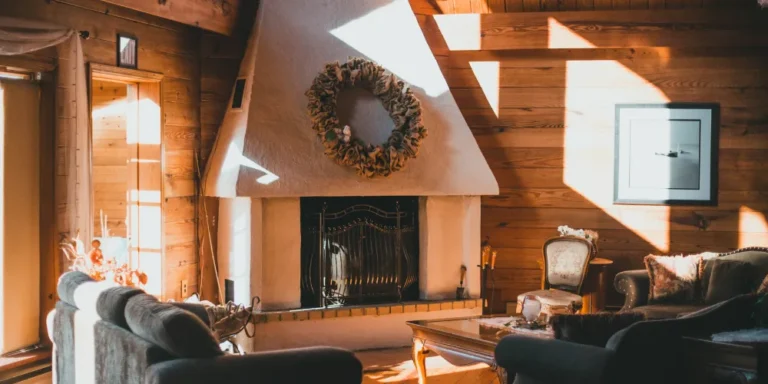
Warm lighting creates a soothing, comfortable atmosphere. Bedrooms, reading corners, and living rooms benefit most from 2,700K to 3,000K lighting. Warm light enhances soft furnishings, wooden textures, and skin tones. It reduces harsh shadows and glare, making spaces inviting. Use table lamps, floor lamps, and pendant lights for layered warm lighting. Warm LED strips or recessed lighting add ambient comfort. Warm tones promote relaxation after work or school. Consider dimmers to adjust intensity for different times of day. Warm lighting is ideal for evening use, signaling the body to wind down. Decorative bulbs with filament designs add charm and character. Avoid warm light in task-heavy areas where clarity is required. Layering with neutral light can balance aesthetics and functionality. Warm light pairs well with warm-colored walls and furniture. Accent lighting can highlight art or architectural features. Proper placement prevents uneven brightness or dark spots. Combining multiple warm sources enhances mood and ambiance.
5. Apply Cool Lighting for Focused Tasks
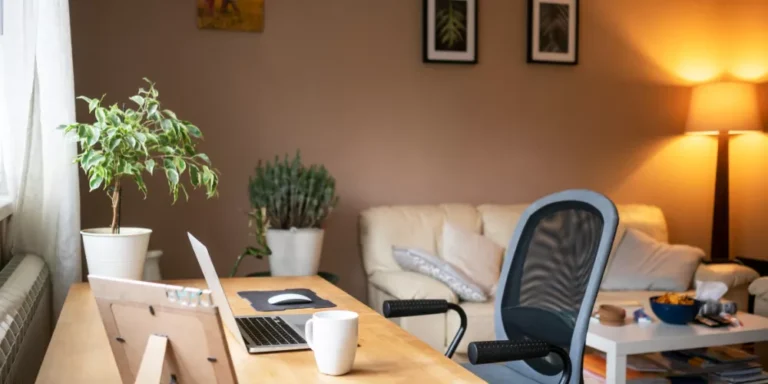
Cool light improves alertness, concentration, and visibility. Home offices, craft rooms, and kitchens often benefit from 4,000K to 6,500K lighting. Cool white light reduces eye strain for reading or computer work. It improves color accuracy for tasks like cooking or painting. LED panels or track lighting provide even, bright illumination. Task lamps can complement overhead cool lighting. Cool light feels energetic and stimulates productivity. Avoid placing cool lighting in relaxation areas to prevent discomfort. Adjustable fixtures allow switching between neutral and cool tones. Reflective surfaces, like countertops, enhance brightness with cool lighting. Proper placement avoids glare on screens or shiny surfaces. Layering cool light with softer ambient lighting prevents stark contrasts. Consider fixture style that directs light precisely where needed. Cool lighting improves safety in garages, workshops, and laundry rooms. Using energy-efficient bulbs maintains brightness while reducing costs. Combining cool and neutral light can create balanced task-focused areas.
6. Mix Layered Lighting for Versatility
Layering lighting combines ambient, task, and accent lights for comfort and flexibility. Ambient light provides general illumination, while task lighting focuses on specific activities. Accent lighting highlights artwork, plants, or architectural features. Use warm ambient light for relaxing zones and cooler task lighting for work areas. LED strips, recessed lights, and pendant lights can be mixed creatively. Layering allows homeowners to adjust lighting for mood, activity, or time of day. Dimmer switches enhance adaptability. Combining multiple sources avoids flat, uniform lighting. Wall-mounted lights add depth and contrast. Layered lighting improves visual interest and overall design. It also enhances safety by illuminating dark corners or pathways. Multiple layers prevent eye strain by reducing harsh shadows. Proper planning ensures each light layer complements others. Layered lighting enhances both functionality and aesthetic appeal. It also helps in open floor plans with multifunctional spaces. Testing lighting combinations ensures harmony and comfort.
7. Account for Room Colors and Materials
Wall, ceiling, and furniture colors affect lighting perception. Light-colored walls reflect more light, making spaces feel brighter. Darker walls absorb light, often requiring warmer or brighter bulbs. Wood, metal, and fabric textures interact differently with color temperature. Warm lighting enhances wood, beige, and soft-colored materials. Cool lighting emphasizes whites, grays, and modern materials like glass or metal. Neutral lighting balances varied surfaces. Consider how lighting affects the look of artwork, flooring, and décor. Testing bulbs in the room ensures color accuracy. Color temperature influences perceived space size and depth. Light reflection and diffusion impact ambiance. Complementing room colors with appropriate temperature enhances harmony. Adjust lighting to avoid unflattering shadows or color distortions. For open spaces, blend temperatures to unify multiple zones. Properly matched lighting elevates interior design aesthetics.
8. Choose Dimmable or Adjustable Fixtures
Dimmers provide control over brightness and ambiance. Adjustable color temperature bulbs allow switching between warm and cool light. Dimmable fixtures create flexibility for morning tasks, evening relaxation, or entertaining guests. Smart bulbs can automate changes throughout the day. Adjustable lighting saves energy and extends bulb life. They are ideal for multifunctional rooms like living-dining areas. Dimmer controls improve comfort and reduce eye strain. Combine with layered lighting for maximum versatility. Dimming capabilities allow homeowners to experiment with mood and style. Adjustable temperature lighting can simulate natural daylight cycles. Proper placement ensures even dimming and minimal flicker. Dimmers enhance the effectiveness of accent and task lighting. They can also create dramatic effects for home décor. Adjustable lighting supports personal preference and lifestyle.
9. Consider Health and Circadian Rhythms
Lighting affects the body’s internal clock, mood, and energy. Warm light in the evening signals the body to relax and prepare for sleep. Cool light in the morning or work hours boosts alertness and productivity. Avoid using bright cool light at night to prevent sleep disruption. Bedrooms, living rooms, and relaxation areas benefit from warmer tones. Kitchens, home offices, and study areas benefit from neutral or cool lighting. Circadian-friendly lighting supports well-being and reduces fatigue. Smart lighting can gradually shift temperature throughout the day. Balanced lighting improves comfort for all household members. Consider light exposure when planning rooms near windows. Health-focused lighting planning increases home comfort and efficiency. Incorporating natural light enhances circadian rhythm benefits.
10. Match Fixtures with Home Style and Personal Preference
Lighting should complement the home’s interior style. Modern homes often use sleek fixtures with cool or neutral lighting. Traditional homes benefit from warm-toned chandeliers or lamps. Personal preference affects perceived comfort and mood. Fixture style, color temperature, and bulb type should work together. Ensure bulbs are compatible with selected fixtures. Lighting design can enhance focal points and architectural features. Consistent aesthetics improve the overall ambiance. Consider fixture placement for optimal light distribution. Matching light style and temperature enhances home comfort and cohesion. Choosing fixtures carefully prevents clashing with furniture and décor. Balance beauty, function, and comfort for long-term satisfaction.
Conclusion
Choosing the right lighting color temperature is essential for home comfort, style, and well-being. Understanding basic Kelvin ranges helps homeowners select warm, neutral, or cool lighting for different purposes. Each room requires tailored lighting based on function, natural light, and personal preference. Warm light promotes relaxation in bedrooms, living rooms, and lounges. Cool light enhances focus and productivity in offices, kitchens, and workspaces. Layered lighting adds versatility, allowing homeowners to adjust ambiance and brightness. Room colors, materials, and textures influence how light is perceived and should guide temperature selection. Dimmable and adjustable fixtures provide flexibility and energy efficiency. Lighting also impacts health, supporting circadian rhythms and reducing fatigue. Combining ambient, task, and accent lights ensures both functionality and aesthetic appeal. Modern LED technology offers precise control, energy savings, and long-term durability.
Proper lighting placement avoids glare, harsh shadows, or uneven brightness. Considering lifestyle, household needs, and daily routines ensures optimal comfort. Fixtures should match the home’s interior style and design theme. Smart lighting solutions allow automated adjustments throughout the day. Balancing natural and artificial light improves overall ambiance and energy efficiency. Well-planned lighting enhances safety, productivity, and relaxation in all spaces. Homeowners can create inviting, functional, and visually pleasing rooms by selecting the right color temperature. Testing bulbs in actual spaces ensures satisfaction before installation. Regular updates or upgrades maintain optimal comfort and modern appeal. Thoughtful planning of lighting creates a healthy, beautiful, and cozy home environment in the USA.