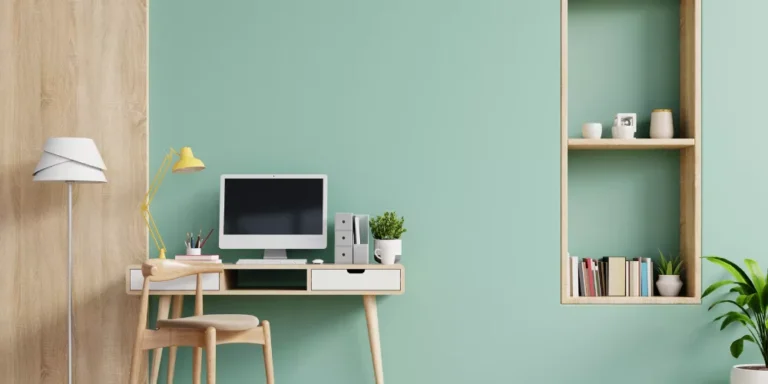
What are the best ways to convert closet space into mini-home office?
Creating a small home office inside a closet has become a popular idea in many American homes. People want a quiet place to work, study, or manage daily tasks without using up valuable living space. Closets offer a perfect hidden spot because they already form a small enclosed area. With the right setup, a closet can become a functional workspace that blends into your home smoothly. Many families choose this solution to save space and keep their rooms organized.
A closet office, often called a “cloffice,” helps you separate work from daily life even in a small home. It also lets you close the doors when you’re done, keeping everything tidy. This makes it great for bedrooms, hallways, or guest rooms. A well-designed cloffice can support remote work, homework, hobbies, or bill management. It offers privacy without needing a full room.
Planning a closet office requires understanding the space, measuring correctly, and choosing items that fit without crowding the area. You also need to think about lighting, comfort, and storage. Even small choices, like the chair or shelves, have a big impact on how productive you feel. When done thoughtfully, a closet office becomes a comfortable, useful, and stylish part of your home. This guide explains how to create one step-by-step using simple, beginner-friendly ideas.
What are the best ways to convert closet space into mini-home office?
Turning a closet into a mini-home office is all about smart planning. The goal is to make the small space comfortable, bright, and functional. Below are ten detailed areas to help you build the perfect cloffice.
1. Measuring and evaluating the closet size
Start by measuring the entire closet from side to side, top to bottom, and front to back. Accurate measurements help you choose the right desk, chair, and shelves. Look at how deep the closet is because shallow closets may need a wall-mounted desk, while deeper ones can fit a small table. Check the height to see where shelves can go. Examine the condition of the walls and floor. Make sure the closet has enough room for you to sit comfortably without your knees hitting the door frame. Think about how wide the space feels and whether the doors make it too tight. Some closets work better with doors removed, while others feel good with sliding doors. Make sure you have enough headroom so you don’t feel cramped. Also check if you can run cables inside the closet. Understanding the space clearly helps you plan correctly and avoid buying items that don’t fit.
2. Selecting the right desk for small spaces
A closet office needs a desk that fits perfectly. Wall-mounted desks are great for tight spaces because they save floor area. Fold-down desks work well if you want to close the closet and keep everything hidden. If the closet is wide enough, a small writing desk or custom-built surface can give you more room. Choose a desk that can hold your laptop, notebooks, and basic supplies without feeling crowded. Think about leg space and make sure you can sit comfortably. Built-in desks give a clean look and maximize space. Look for materials that match your home style, like wood, white laminate, or metal. The desk should feel stable and safe. Avoid bulky styles because they make the closet feel smaller. A good desk helps create a productive environment even in a tiny area.
3. Improving lighting for better focus
Closets usually have poor lighting or no lighting at all, so adding good light is important. Use LED strip lights, puck lights, or a small desk lamp to brighten the workspace. Choose lighting that is soft but strong enough to prevent eye strain. Warm white is great for comfort, while cool white helps with focus. Battery-powered lights work well if wiring is difficult. If possible, install a small overhead light to brighten the whole closet. Lighting affects your mood and productivity, so take time to choose it carefully. Make sure the lighting doesn’t create shadows on your work surface. A well-lit closet office feels larger and more inviting. Good lighting also helps during video calls and makes your workspace look neat.
4. Adding shelves and vertical storage
Closet offices benefit from vertical storage because it keeps the surface clean. Install shelves above the desk to store books, office supplies, and decorative items. Use adjustable shelves so you can change the height as needed. Make sure shelves are secured properly so they can hold weight safely. Pegboards or wall grids give you extra mounting space for tools and accessories. Baskets and small boxes keep clutter out of sight. Tall and narrow shelves on the sides can hold paper, folders, and small bins. Using walls for storage helps you stay organized in a small workspace. This keeps the desk area clear for working comfortably.
5. Choosing a comfortable and compact chair
A comfortable chair is essential, even in a closet office. Look for a compact chair that fits inside the closet without sticking out too much. Armless chairs work best because they slide in easily. If space is tight, choose a foldable chair that you can store when not in use. Make sure the chair supports your back so you stay comfortable during long study or work sessions. Wheels may not fit well in a small closet, so choose a stationary style. Padded seats add extra comfort. Try to match the chair color with the closet interior for a clean look. The right chair helps you sit properly and stay focused.
6. Managing cables and power access
Every office needs power for laptops, chargers, and lights. Check if your closet has an outlet nearby. If not, you might use a power strip outside the closet, but keep cables safe and tidy. Cable clips, adhesive ties, and sleeves help you organize cords neatly. Avoid running cables across the floor where they can get tangled. A small cable box can hide messy wires. Good cable management makes your mini-office look cleaner and prevents distractions. It also keeps the space safe. If you use many devices, choose a surge protector to protect them. Planning power access early helps avoid problems later.
7. Improving ventilation and airflow
Closets can feel warm or stuffy because they don’t get good airflow. To stay comfortable, improve ventilation. Keep closet doors open while working, especially if using a laptop that gets warm. Consider small fans or portable mini-air purifiers to keep the space fresh. If the closet is deep, removing the doors helps air move better. Some people add small vents at the top or bottom of the closet frame. Avoid working in a hot, uncomfortable area because it affects focus. Good airflow keeps the space calm, cool, and pleasant to work in.
8. Decorating the workspace for motivation
A closet office should feel inspiring, not dull. Add small decorative items like pictures, plants, or wall art. Choose calming colors like light blue, soft beige, or white to make the space feel bigger. Use organizers that match your style. Add a corkboard or whiteboard for reminders and goals. A rug under your chair can add warmth. Keep decoration simple so it doesn’t crowd the small space. Personal touches help you feel motivated and happy while working. A well-decorated cloffice feels like your own private workspace.
9. Keeping the space organized and clutter-free
A small office becomes messy quickly, so organization is important. Use drawer organizers, storage bins, and labels to keep things in order. Keep only what you need inside the closet. Store extra items elsewhere. Clean the desk every day after finishing work. Put pens, papers, and tools back in containers. Create a system that helps you find things easily. Clutter makes the space feel smaller, so staying organized helps you work better. A neat cloffice saves time and reduces stress.
10. Making the office easy to hide when not in use
One benefit of a closet office is the ability to hide it when you’re done. Keep doors that close smoothly, or use curtains if you prefer a soft look. Fold-down desks and compact chairs help make the space disappear when not needed. Choose storage boxes that hide supplies. When the office is closed, the room looks clean and uncluttered. This helps you mentally separate work from relaxation. Guests will also appreciate the neat appearance. A hidden office is perfect for small homes where space must serve multiple purposes.
Conclusion
Converting a closet into a mini-home office is a smart and practical solution for many USA homes. It helps you gain a private workspace without needing a full room. With good planning, even the smallest closet can become useful. The key is measuring correctly, choosing compact furniture, and adding proper lighting. Storage and organization keep the space functional, while decoration makes it more enjoyable. Ventilation ensures comfort during long study or work sessions. A well-designed cloffice supports productivity and helps maintain a clean living environment. You can open it for work and close it to relax. This setup brings balance to your home, making daily tasks easier and more comfortable. Anyone can create a great closet office with simple steps and thoughtful choices.