What Are the Best Ways to Design a Drop-Zone for Mail and Keys Near Door?
A drop-zone near the front door has become a must-have feature in many homes across the USA. It provides a dedicated space to organize keys, mail, wallets, and small everyday items, reducing clutter and making life more convenient. A well-designed drop-zone helps homeowners keep the entryway tidy while providing easy access to essential items as they come and go. This space is particularly useful for busy families, apartment dwellers, and anyone who struggles with misplaced keys or mail. Drop-zones can be designed in various ways to fit the style, size, and function of the entryway. They can include shelves, hooks, cubbies, baskets, or small drawers, combining storage and decor. A thoughtfully designed drop-zone saves time by making it easy to grab items on the way out and store them quickly when coming home. It also adds aesthetic value, creating an inviting first impression for guests. Many homeowners in the USA overlook this area, but small changes can make a big difference in organization. Planning a drop-zone involves considering space, traffic flow, and the items that need to be stored. Materials, placement, and accessibility all influence how effective the area will be. Whether you want a simple shelf with hooks or a full built-in bench with cubbies, the goal is to keep the entryway functional and neat. This guide explains the best ways to design a drop-zone for mail and keys near the door. It provides step-by-step tips and design ideas to make the space organized, practical, and stylish for daily use.
What Are the Best Ways to Design a Drop-Zone for Mail and Keys Near Door?
A drop-zone near the door helps prevent clutter and keeps essential items in one convenient location. The right design combines storage, accessibility, and style, making it easy to organize mail, keys, and other daily items. Planning ahead ensures the drop-zone meets the family’s needs and fits the space effectively. Below are 10 important considerations for designing a functional and attractive drop-zone.
1. Choose the Right Location
Selecting the right spot near the door is the first step. The drop-zone should be within easy reach as you enter or leave the home. Avoid areas that block door swings or hallways. Many USA homes place the drop-zone directly adjacent to the front door or just inside a mudroom. The goal is to make items accessible without interfering with traffic flow. Positioning the drop-zone in a well-lit area also improves usability. Consider using a wall corner, space under a staircase, or an entry nook. Proper location ensures the drop-zone is convenient, visible, and fully functional. Take measurements of the available space to determine the size and configuration that works best.
2. Determine the Items You Need to Store
Understanding what will go into the drop-zone is essential for designing storage effectively. Common items include keys, mail, wallets, sunglasses, masks, and small electronics. Some households also store pet leashes, backpacks, or reusable bags in this space. Make a list of all items to be stored and estimate their size. This helps determine the number of hooks, shelves, or cubbies required. Knowing what you need to store prevents overbuilding or underutilizing the space. Customizing the drop-zone for your family’s needs ensures it is functional every day. Consider seasonal variations, such as storing gloves or hats in winter, for additional planning.
3. Include a Mail Organizer
A mail organizer keeps incoming and outgoing mail sorted and prevents paper clutter. Wall-mounted slots, small baskets, or vertical files work well. Label sections for different family members or purposes to improve organization. Many USA homeowners choose wooden or metal mail slots that complement the drop-zone’s style. The organizer should be easy to reach and allow quick insertion of mail. This prevents letters and bills from piling up on counters or tables. Combining the mail organizer with a key hook or shelf creates a cohesive and convenient space. A dedicated mail section keeps paper organized and easy to manage daily.
4. Add Key Hooks or a Key Tray
Keys are essential items that often get misplaced, so the drop-zone should include a designated place for them. Wall-mounted hooks, small trays, or built-in cubbies work well for this purpose. Hooks are useful for hanging multiple keys or keychains, while trays provide a flat surface for small items. Some designs integrate hooks with mail slots or shelves for efficiency. Many USA homes prefer metal or decorative hooks that match the home’s interior style. Ensuring the key area is visible and accessible makes it easy to grab keys when leaving. Proper organization prevents frustration and saves time daily. Consider grouping hooks by family member for larger households.
5. Incorporate Small Shelves or Cubbies
Shelves and cubbies provide additional storage for small items like sunglasses, wallets, and phones. Open shelves allow easy access and visibility, while cubbies can hide items for a cleaner look. Adjustable shelves give flexibility for different-sized objects. Many drop-zones in the USA use a combination of hooks above and cubbies below for balanced storage. Using baskets or bins inside cubbies keeps smaller items organized. Properly sized shelves and cubbies maximize storage without overcrowding the space. This layered storage approach creates an organized and functional drop-zone that supports daily routines.
6. Consider a Bench for Seating
Adding a small bench to the drop-zone is both practical and stylish. A bench allows people to sit while putting on shoes or bags. Many designs include storage beneath the bench in the form of drawers, baskets, or open cubbies. A bench also creates a defined space for the drop-zone and adds comfort. For small entryways, a narrow bench may be sufficient. Larger mudrooms can accommodate benches that seat multiple people. Choosing a bench with a sturdy top and soft cushions increases usability. The combination of seating and storage enhances the functionality of the drop-zone significantly. A bench also visually anchors the area, making it inviting and organized.
7. Use Wall Space Efficiently
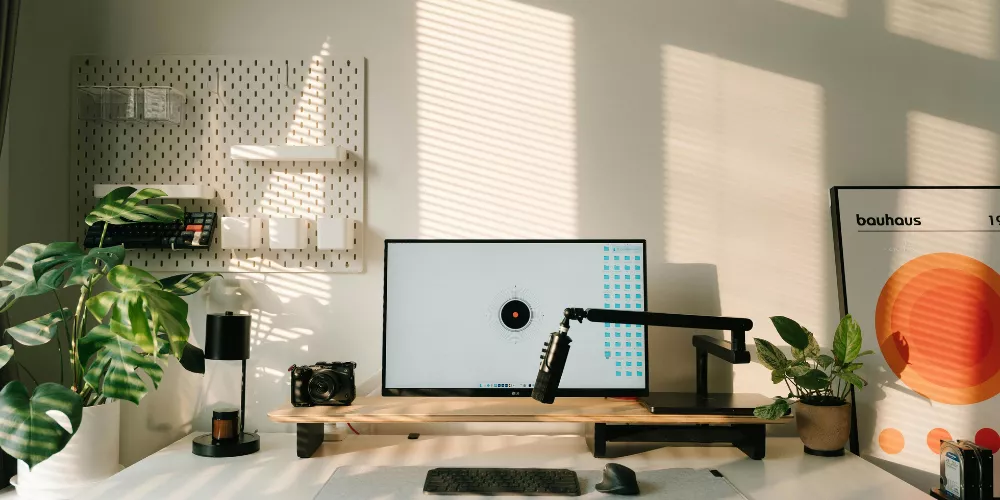
Vertical space on the wall can be used for hooks, shelves, or decorative elements. Hanging storage reduces floor clutter and keeps items within easy reach. Pegboards, magnetic strips, or small bulletin boards are useful for holding keys, mail, or notes. Many USA homes integrate corkboards or chalkboards for reminders, grocery lists, or schedules. Using wall space efficiently creates a functional and visually appealing drop-zone without taking up extra floor area. Proper wall utilization ensures the drop-zone remains organized and accessible. Vertical organization is especially useful in narrow entryways or small foyers.
8. Incorporate Charging Stations for Devices
Modern households often require charging solutions for phones, tablets, and small electronics. Integrating a small charging station within the drop-zone keeps devices organized and powered. Use a hidden outlet behind a shelf or a built-in docking area for convenience. Many USA homeowners prefer a discreet cable management system to keep wires tidy. Charging stations prevent clutter from cords on counters or tables. Including a device charging area enhances the drop-zone’s functionality and supports daily routines. This makes it easier to grab a fully charged phone or tablet when leaving the house.
9. Choose Durable and Easy-to-Clean Materials
The drop-zone is a high-traffic area, so materials should be durable and easy to maintain. Wood, metal, laminate, or painted surfaces are popular choices. Consider finishes that resist scratches, stains, and moisture. Easy-to-clean surfaces simplify maintenance, especially in households with children or pets. Many USA homes use laminate or painted wood for a balance of durability and style. Material selection affects the look, lifespan, and usability of the drop-zone. Choosing long-lasting materials ensures the area stays functional and attractive for years. Regular cleaning and maintenance keep the drop-zone organized and welcoming.
10. Add Lighting and Decorative Elements
Good lighting enhances visibility and adds to the drop-zone’s appeal. Wall sconces, pendant lights, or integrated LED strips work well. Proper lighting ensures mail, keys, and other items are easily visible, especially in the evening. Adding decorative elements such as artwork, plants, or mirrors creates a welcoming atmosphere. Many USA homeowners use coordinated colors and textures to blend the drop-zone with the entryway design. A well-lit and visually appealing drop-zone is both functional and stylish. Lighting and decor also make the space feel inviting for family and guests. Thoughtful decoration balances utility with aesthetics, completing the design.
Conclusion
Designing a drop-zone near the door provides organization, convenience, and style in any home. By selecting the right location and planning storage based on your needs, you can keep mail, keys, and small items easily accessible. Including mail organizers, key hooks, shelves, cubbies, and a bench ensures practical daily use. Efficient use of wall space, integrated charging stations, and durable materials further enhance functionality. Proper lighting and decorative elements make the area attractive and welcoming. A well-designed drop-zone reduces clutter, saves time, and creates a positive first impression for visitors. It supports household routines and makes the entryway feel neat and organized. Families across the USA benefit from these solutions, whether in small apartments or large homes. By following these steps, you can create a drop-zone that is functional, stylish, and built to last. Proper planning ensures every item has a place, reducing stress and improving daily efficiency. A thoughtfully designed drop-zone combines practicality with aesthetics for an organized, welcoming, and highly functional entryway.