What causes a toilet to bubble when the shower is running upstairs?
When a toilet starts bubbling while the shower is running upstairs, it can be alarming for any homeowner. This issue often shows up unexpectedly and can make people worry about serious plumbing damage. In many United States homes, especially two-story houses, plumbing systems are tightly connected.
That means a problem in one area can show symptoms somewhere else. A bubbling toilet is one of the clearest warning signs that something is not flowing the way it should. It usually points to an air or drainage problem rather than a broken fixture. Homeowners often notice gurgling sounds, rising water, or bubbles in the toilet bowl. These signs should never be ignored. In the U.S., building codes rely heavily on proper venting and drainage design. When that system is disrupted, pressure builds up in the wrong places.
The toilet becomes a release point for trapped air. This can happen in older homes, newer constructions, and even recently renovated houses. Sometimes the cause is minor and easy to fix. Other times, it signals a developing blockage in the main drain line. Understanding what causes this problem helps prevent bigger and more expensive repairs. It also protects your home from backups and water damage. This guide explains why toilets bubble when an upstairs shower runs. It walks through the most common causes found in U.S. homes. You will learn how to spot early warning signs and respond correctly. By the end, you will know when a simple fix is enough and when to call a professional.
What causes a toilet to bubble when the shower is running upstairs?
A toilet bubbles when the shower is running upstairs because air is being forced back through the drain system. This usually means wastewater is not flowing freely through the plumbing pipes. The bubbling is caused by pressure imbalance inside the drain or vent system. For U.S. homeowners, this is an important sign of a developing drainage or venting problem.
Partial blockage in the main drain line
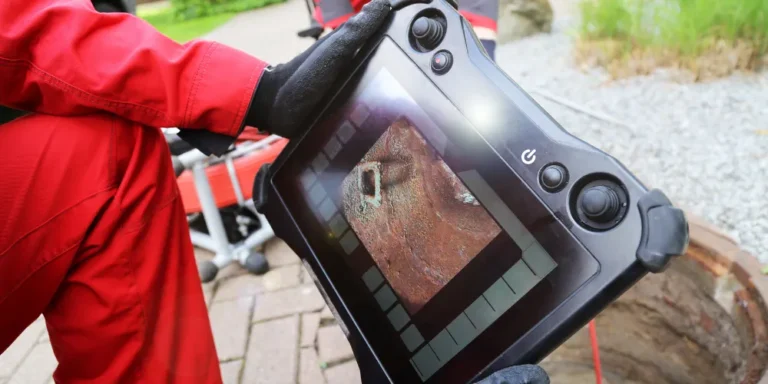
One of the most common causes is a partial blockage in the main drain line. In many U.S. homes, all fixtures eventually connect to one main sewer pipe. When the shower upstairs sends water down, it needs open space to flow. If that space is reduced by buildup, pressure increases. Air then looks for another escape path. The toilet bowl becomes that outlet. This causes bubbling or gurgling sounds. Common blockages include hair, soap residue, and toilet paper. In older homes, grease and mineral buildup are also common. Tree roots can invade underground sewer lines. This happens frequently in suburban neighborhoods. The blockage may not be complete yet. That is why water still drains, but poorly. Bubbling is often the first warning sign. Ignoring it can lead to sewage backup. A professional drain inspection can confirm the issue. Camera inspections are widely used in the U.S. Early detection saves thousands in repairs. Drain cleaning may restore normal flow. Hydro jetting is often recommended for stubborn buildup. Store-bought drain cleaners rarely fix this problem. They may even damage pipes. This issue usually worsens over time. Prompt action is the best approach. Homeowners should take bubbling seriously. It is not just a noise issue. It is a system pressure problem. Addressing it early protects the entire plumbing system. Main drain health is critical for multi-story homes. This is one of the top causes plumbers see.
Blocked or improperly vented plumbing system
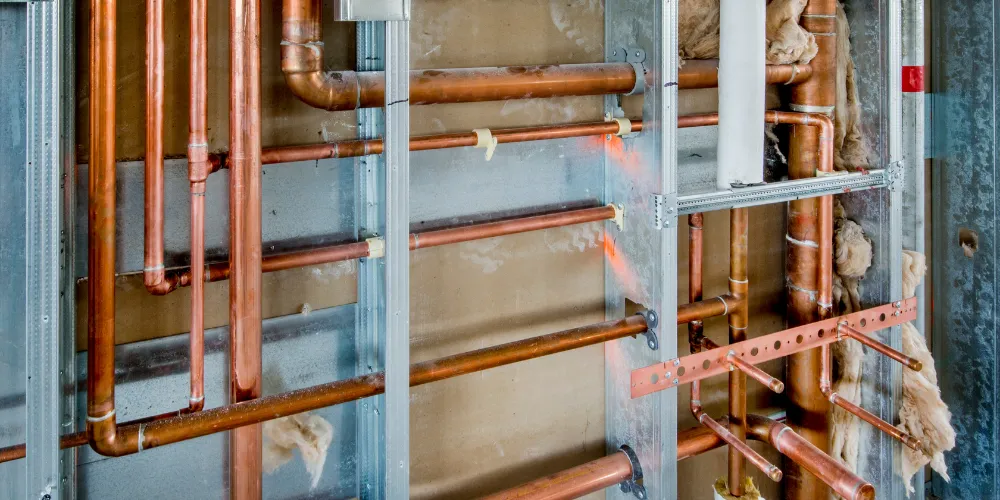
Every U.S. plumbing system relies on vent pipes. These vents allow air to enter and exit the system. They keep pressure balanced during drainage. When vents are blocked, air cannot move properly. This causes negative pressure inside the pipes. Water moving from the upstairs shower pulls air behind it. Without proper venting, air is pulled from the toilet trap. This creates bubbling in the bowl. Vent blockages often occur on the roof. Leaves, bird nests, and debris are common causes. In colder states, ice buildup can block vents in winter. Some homes have vents clogged by construction debris. Improper vent installation is also possible. This is more common in older or remodeled homes. Building codes require proper vent sizing and placement. If not followed, symptoms appear years later. Bubbling toilets are a classic sign. A plumber can check vent airflow. Sometimes a simple roof vent cleaning solves the problem. Other times, vent pipes must be corrected. This is not usually a DIY task. Roof access and safety are concerns. Vent issues affect more than one fixture. You may notice slow drains elsewhere. Odors can also escape into the home. That indicates vent failure. Fixing vent problems restores balance. It protects traps from being siphoned dry. This keeps sewer gases out of the home. Proper venting is essential for healthy plumbing.
Shared drain lines between toilet and shower
Many two-story U.S. homes use shared drain lines. The upstairs shower and downstairs toilet may connect closely. When the shower drains, it pushes air ahead of it. If the line is partially blocked, air pressure increases. That pressure moves toward the toilet. The toilet bowl reacts by bubbling. This design is common in stacked bathrooms. It saves space and materials. However, it makes systems more sensitive to blockages. A small restriction affects multiple fixtures. This explains why the issue appears only when the shower runs. The toilet itself is usually not broken. It is reacting to pressure changes. Understanding this layout helps diagnose the issue. A plumber can map the drain connections. This helps pinpoint where the restriction is. Clearing the shared section often resolves the problem. Drain snakes or professional equipment may be used. DIY attempts may not reach far enough. Shared drains require thorough cleaning. Ignoring the issue can lead to backups. Water may eventually overflow from the toilet. That creates a sanitation risk. Shared drain problems rarely fix themselves. They need active intervention. Early signs should be addressed quickly. This is especially true in busy households. More water use increases pressure. That worsens the bubbling effect. Shared lines demand proactive maintenance.
Early signs of a sewer line clog
Toilet bubbling is often an early warning sign. In many U.S. cases, it precedes a full sewer backup. The sewer line carries all wastewater to the municipal system or septic tank. When flow slows, pressure builds behind the clog. Fixtures on lower levels show symptoms first. The toilet reacts because it has an open water surface. Gurgling and bubbling appear. At this stage, water may still drain. That makes homeowners underestimate the issue. Other signs may appear soon after. These include slow drains and foul odors. Multiple fixtures may start acting up. Ignoring these signs risks a major backup. Sewer backups cause property damage. They also create health hazards. Insurance may not cover all damage. Early sewer inspections can prevent disaster. In the U.S., many plumbers offer camera inspections. These identify clogs, cracks, and root intrusion. Tree roots are a major cause in older neighborhoods. Clay and cast iron pipes are vulnerable. Modern PVC pipes are more resistant. However, buildup can still occur. Regular maintenance reduces risk. Bubbling should never be ignored. It is one of the clearest early indicators. Responding quickly saves money. It also protects your home. Sewer issues escalate fast. Early action is the smartest move.
Improper slope or aging drain pipes
Drain pipes rely on gravity. They must be sloped correctly to move waste. In some older U.S. homes, slopes are insufficient. Over time, pipes can sag. This creates low spots where waste collects. These areas slow drainage. Pressure builds when water flows through. Air then escapes through the toilet. This results in bubbling during shower use. Pipe aging worsens the issue. Cast iron pipes corrode internally. Their diameter shrinks over time. This restricts flow even more. Improper slope is difficult to detect without inspection. A camera inspection reveals sagging sections. Correcting slope issues often requires pipe replacement. This is a larger repair. However, addressing it prevents recurring problems. Temporary fixes rarely work. Homeowners may experience repeated bubbling. Slow drains become the norm. Ignoring structural issues leads to frequent clogs. Repiping may be recommended. Modern materials improve performance. This is common in homes built before the 1970s. Upgrading pipes increases home value. It also improves reliability. While costly, it is a long-term solution. Bubbling is a symptom of deeper issues here. Professional evaluation is essential.
Septic system issues in U.S. homes
Homes with septic systems face unique risks. When the septic tank is full, drainage slows. Wastewater cannot exit the house efficiently. Pressure builds in the drain lines. The toilet may bubble when water is used upstairs. This is a common early sign of septic trouble. Many U.S. rural homes rely on septic systems. Regular pumping is essential. Most tanks need pumping every three to five years. Skipping maintenance leads to backups. Drain field problems also cause pressure issues. Saturated soil prevents proper absorption. Heavy rain can worsen the problem. Bubbling toilets may appear after storms. This is not a coincidence. Septic inspections can identify the cause. Pumping the tank often restores normal function. However, drain field repairs are more complex. Avoid flushing non-degradable items. They accelerate septic failure. Water conservation helps reduce strain. Fixing leaks is important. Septic systems require proactive care. Bubbling is a warning sign. Ignoring it can cause sewage overflow. This creates health risks. Septic repairs can be expensive. Early response reduces damage. Homeowners should track pumping schedules. Septic health directly affects plumbing behavior.
Why the toilet bubbles instead of overflowing
Many homeowners wonder why bubbling happens first. The toilet trap holds standing water. This water acts as a pressure indicator. When air is pushed back, it moves the water. This creates visible bubbles. Other fixtures may not show this as clearly. Sinks have smaller traps. Showers have wider drains. The toilet bowl makes pressure changes obvious. It acts like a warning signal. Bubbling means air displacement is occurring. Overflow usually comes later. That happens when pressure and volume increase further. Bubbling is the system’s early alert. It gives homeowners time to act. Ignoring it leads to more severe symptoms. Understanding this helps prioritize repairs. The toilet is not the problem. It is showing the problem. Replacing the toilet will not fix it. This is a common misconception. Plumbers focus on the drain system instead. Recognizing bubbling as a symptom is key. It helps avoid unnecessary fixture replacements. Education saves money. It also speeds up proper diagnosis. The toilet is doing its job. It is signaling imbalance. Listening to it matters. Early signs are valuable.
DIY checks homeowners can safely perform
Some basic checks are safe for homeowners. Start by observing when bubbling occurs. Note which fixtures trigger it. This helps identify shared lines. Check for slow drains in sinks and tubs. Listen for gurgling sounds. These indicate airflow issues. Avoid using chemical drain cleaners. They can damage pipes. Plunging may help minor clogs. Use a toilet plunger, not a sink plunger. If bubbling persists, stop DIY attempts. Roof vent inspection is risky. Do not climb without proper safety. Interior checks are safer. Running water one fixture at a time helps isolate issues. Document what you notice. This helps when calling a plumber. DIY checks are about observation, not repair. Knowing limits is important. Plumbing systems are interconnected. Wrong actions can worsen problems. Homeowners should avoid removing toilets unnecessarily. This can damage seals. Simple observation provides valuable clues. It also saves diagnostic time. Professionals appreciate detailed information. DIY is about awareness here. Not full repair. Safety and caution come first.
When to call a licensed plumber in the United States
If bubbling continues, call a licensed plumber. Persistent bubbling indicates a systemic issue. U.S. plumbing codes require proper venting and drainage. Licensed plumbers understand these standards. They have tools homeowners do not. Camera inspections pinpoint hidden problems. Drain machines clear deep blockages. Attempting advanced fixes without training is risky. Water damage can occur quickly. Sewer backups are hazardous. Professional help protects your home. It also ensures repairs meet code. This matters for resale and insurance. Choose a plumber with good local reviews. Ask about experience with drain and vent issues. Request a clear explanation of findings. Good plumbers educate homeowners. They also offer maintenance advice. Early professional intervention saves money. Delaying increases repair scope. Bubbling is not normal behavior. It should always be investigated. Trust your instincts. If something seems wrong, it probably is. Professional evaluation brings peace of mind. Plumbing systems are critical infrastructure. They deserve proper care. Timely service prevents emergencies. Do not wait for a backup. Act when the warning appears.
Conclusion
A toilet that bubbles when the shower runs upstairs is a clear warning sign. It indicates pressure imbalance in the plumbing system. In most U.S. homes, this points to drainage or venting issues. Partial clogs are the most common cause. Blocked vents are another frequent culprit. Shared drain lines amplify pressure problems. The toilet reacts because it shows air movement clearly. Bubbling usually appears before serious backups. That makes it an early and valuable signal. Ignoring it increases the risk of damage. Homeowners should understand this symptom. It helps avoid unnecessary fixture replacements. Basic observation can provide helpful clues. However, most causes require professional tools to fix. Licensed plumbers can diagnose accurately. Early inspections prevent costly repairs. This is especially important in multi-story homes. Septic system owners should be extra cautious. Routine maintenance reduces the likelihood of bubbling. Addressing the issue promptly protects your home, your health, and your peace of mind.